
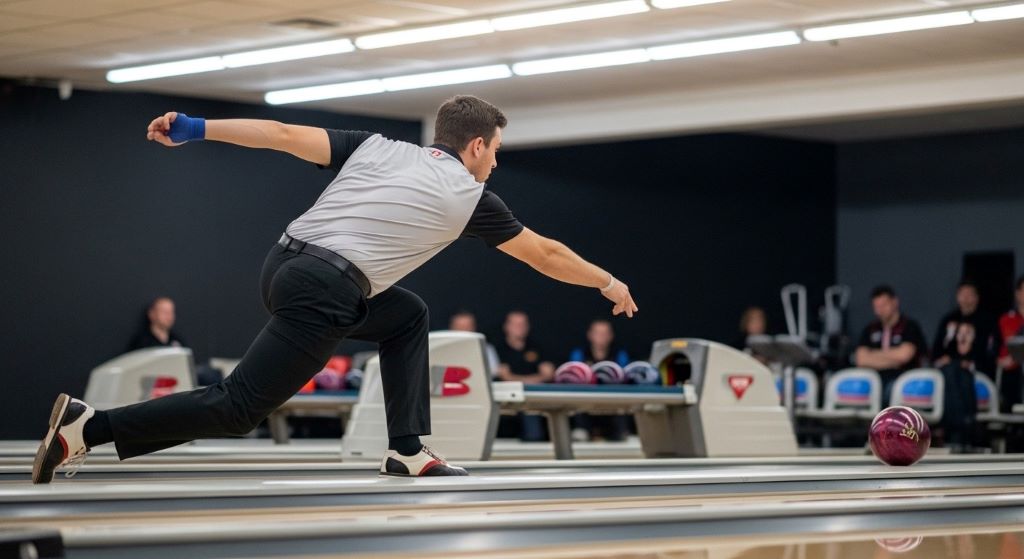
The debate about whether bowling qualifies as a true sport has persisted for decades. Critics argue it lacks the athleticism of traditional sports. However, bowling shares fundamental characteristics with recognized precision sports requiring skill, strategy, and mental focus.
This article examines bowling’s athletic components and compares them to established precision sports. Understanding these connections helps settle the long-standing question about bowling’s legitimacy as a competitive sport.
Defining Precision Sports and Their Characteristics
Precision sports emphasize accuracy, technique, and consistency over raw physical power. These activities require athletes to execute controlled movements repeatedly under pressure. Golf, archery, darts, and billiards all fall within this category.
Mental concentration plays a crucial role in precision sports success. Athletes must block distractions while maintaining focus through extended competitions. Additionally, these sports demand exceptional hand-eye coordination and muscle memory development.
Physical conditioning remains important despite common misconceptions about precision sports. Maintaining stable body positions and executing consistent movements requires strength and endurance. Therefore, successful precision athletes train extensively to optimize performance.
Scoring systems in precision sports reward accuracy rather than speed or strength. Competitors aim to achieve specific targets or objectives through technical execution. Moreover, environmental factors like wind, temperature, and surface conditions affect outcomes significantly.
Physical Demands of Professional Bowling
Professional bowlers walk approximately two to three miles during tournament play. Each approach to the foul line requires coordinated muscle engagement throughout the body. The repetitive nature of bowling creates significant physical strain over time.
Bowling balls weigh between six and sixteen pounds, with professionals typically using fourteen to sixteen-pound balls. Controlling this weight through a multi-step approach demands considerable strength. Furthermore, the swinging motion engages core muscles, shoulders, and legs simultaneously.
The release point requires precise timing and finger strength to generate proper ball rotation. Professional bowlers develop calluses and strengthen specific hand muscles through years of practice. Additionally, wrist positioning affects ball trajectory and pin action dramatically.
Maintaining balance during the approach and release separates amateur from professional bowlers. The sliding foot must achieve perfect positioning while the opposite leg stabilizes the body. However, this balance becomes more challenging after hours of competition.
According to Bowling ball, professional bowling requires significant physical endurance, with competitors sometimes bowling 100 games in a single week during tournaments.
Comparing Bowling to Golf as Precision Sports
Golf and bowling share remarkable similarities in their precision sport characteristics. Both require athletes to read environmental conditions before executing shots. Additionally, both sports demand consistent repetition of complex motor patterns.
Golfers analyze green slopes and wind conditions before putting, while bowlers read oil patterns on lanes. These assessments require experience and technical knowledge beyond basic athletic ability. Therefore, both sports reward players who study their competitive environments thoroughly.
Mental resilience matters equally in golf and bowling when facing pressure situations. A single missed shot or poor frame can derail entire tournaments. Moreover, both sports force athletes to compete primarily against themselves rather than direct opponents.
Equipment customization plays vital roles in both sports’ success levels. Golfers select specific clubs for various situations, while bowlers choose balls with different coverstock materials. However, understanding equipment characteristics requires extensive technical knowledge in both sports.
Physical fitness standards continue evolving in both golf and bowling professional circuits. Modern athletes in these sports incorporate strength training and cardiovascular conditioning. Additionally, flexibility work prevents injuries from repetitive motion patterns.
Bowling Versus Archery in Competitive Precision
Archery represents one of humanity’s oldest precision sports, recognized in Olympic competition. The sport demands incredible focus, steady breathing, and repeatable form. Similarly, bowling requires these same mental and physical components.
Both sports involve releasing projectiles toward specific targets under controlled conditions. Archers aim for bullseyes, while bowlers target pocket positions for optimal pin action. Additionally, both activities require years of practice developing muscle memory.
Environmental factors affect both archery and bowling significantly despite indoor venues. Air currents influence arrow flight in archery, while lane oil patterns affect bowling ball motion. Therefore, athletes in both sports must adapt to changing conditions constantly.
Scoring in archery and bowling rewards consistency and accuracy over multiple attempts. Single perfect shots mean little without sustained performance throughout competition. Moreover, both sports feature handicap systems allowing players of different skill levels to compete fairly.
Physical stamina plays crucial roles in extended archery and bowling competitions. Maintaining proper form deteriorates as fatigue sets in during long tournaments. However, trained athletes develop endurance allowing consistent performance over time.
Darts and Bowling: Skill-Based Precision Comparison
Darts and bowling both face skepticism about their status as legitimate sports. Critics point to their social recreational contexts as evidence against athletic legitimacy. Nevertheless, both require exceptional skill, practice, and competitive mental toughness.
Hand-eye coordination reaches elite levels in professional darts and bowling. Players must execute precise release points repeatedly while managing pressure situations. Additionally, both sports feature professional tours with substantial prize money and sponsorships.
Mathematical calculation forms part of competitive strategy in both sports. Darts players calculate optimal paths to finishing scores, while bowlers adjust ball speed and angles. Therefore, mental acuity complements physical skills in both activities.
Muscle memory development determines success in darts and bowling equally. Professional players practice thousands of repetitions developing consistent throwing or rolling motions. Moreover, maintaining these patterns under tournament pressure requires extensive mental training.
The accessibility of both sports creates large recreational participant bases. However, the gap between casual players and professionals remains enormous. Championship-level performance in either sport demands dedication matching traditional athletic pursuits.

Billiards and Bowling: Table Versus Lane Sports
Billiards and bowling share common roots as precision sports played in specialized venues. Both require reading playing surfaces to predict object behavior. Additionally, both sports emphasize strategy and execution over pure athletic power.
Professional billiards players study table physics and ball interactions extensively. Similarly, bowlers analyze lane conditions and pin mechanics to optimize scoring. Therefore, both sports reward intellectual understanding alongside physical skill.
Body positioning and stance stability matter tremendously in billiards and bowling. Players must maintain steady platforms for consistent stroke or ball delivery. However, bowling requires additional dynamic movement through the approach.
Mental visualization helps elite performers in both sports prepare for shots. Players mentally rehearse desired outcomes before physical execution. Moreover, this psychological preparation separates champions from competent competitors.
Both sports feature professional organizations governing competition rules and maintaining competitive integrity. The Professional Bowlers Association and various billiards governing bodies establish standards. Additionally, both sports have produced celebrity athletes transcending their competitive circles.
According to The New York Times, professional bowling has experienced renewed interest as a competitive sport, with increased television coverage and sponsorship deals.
Physical Fitness Requirements for Competitive Bowlers
Cardiovascular endurance allows bowlers to maintain performance through multi-day tournaments. Professional competitions often span multiple games over several days. Therefore, aerobic fitness prevents deteriorating form during crucial late-round matches.
Core strength stabilizes the body during the bowling approach and release. Strong abdominal and back muscles maintain proper posture throughout repetitive motions. Additionally, core conditioning reduces injury risk from the rotational forces involved.
Leg strength powers the approach and provides balance during delivery. Quadriceps and hamstrings control the sliding motion at the foul line. Moreover, strong legs allow bowlers to maintain consistent approach speeds affecting ball delivery.
Flexibility in shoulders, wrists, and ankles promotes injury prevention and consistent mechanics. Tight muscles restrict natural bowling motions, forcing compensations that reduce accuracy. However, regular stretching routines maintain the range of motion necessary for optimal performance.
Upper body strength enables bowlers to control heavy balls through the entire swing arc. Shoulder, arm, and grip strength all contribute to consistent releases. Additionally, strength training helps prevent overuse injuries from repetitive motions.
Mental Aspects of Bowling as a Competitive Sport
Concentration spans in bowling extend over hours during tournament play. Maintaining focus across numerous frames while blocking distractions requires mental discipline. Therefore, psychological preparation equals physical training in importance for elite bowlers.
Pressure management separates champions from talented players who struggle in crucial moments. Professional bowlers develop routines and mental strategies for handling high-stakes situations. Additionally, visualization techniques help maintain confidence during challenging matches.
Strategic thinking involves adjusting to changing lane conditions throughout competition. Bowlers must recognize pattern transitions and modify their approaches accordingly. Moreover, this adaptability requires experience and analytical thinking skills.
Emotional control prevents negative reactions from affecting subsequent performance. Missing spares or leaving difficult splits can trigger frustration undermining future frames. However, successful bowlers develop mental resilience bouncing back from setbacks.
Self-analysis helps competitive bowlers identify weaknesses and technical flaws. Reviewing performance videos and tracking statistics guides practice focus. Additionally, working with coaches on mental game improvement complements physical skill development.
Bowling’s Recognition in Organized Sports Competitions
The International Olympic Committee recognized bowling as an official sport decades ago. While not currently in Olympic competition, bowling maintains official sport status globally. Additionally, various international governing bodies regulate competitive bowling worldwide.
Professional bowling tours operate across multiple continents with substantial prize purses. The Professional Bowlers Association has crowned champions since 1958. Moreover, these tours feature television coverage and corporate sponsorships typical of mainstream sports.
Collegiate bowling programs offer athletic scholarships at numerous universities. The National Collegiate Bowling Coaches Association governs intercollegiate competition. Therefore, bowling provides educational opportunities through athletic achievement similar to traditional sports.
Youth bowling programs develop future competitors through structured coaching and competition. Organizations like USBC Youth provide pathways from recreational to competitive bowling. Additionally, junior tournaments identify talented young bowlers for advanced training.
Bowling’s inclusion in multi-sport events like the Pan American Games demonstrates athletic legitimacy. These competitions feature bowling alongside traditional sports requiring organizing committees’ recognition. However, public perception still lags behind official sports organization classifications.
Equipment Technology and Its Impact on Bowling
Modern bowling balls incorporate advanced materials science creating varied performance characteristics. Reactive resin coverstocks and asymmetric core designs affect ball motion dramatically. Therefore, equipment selection requires technical knowledge matching specific lane conditions.
Ball drilling customization allows fitting equipment to individual bowling styles. Finger hole placement, pitch angles, and thumb sizing all affect release mechanics. Additionally, professional bowlers own multiple balls for different oil patterns and lane transitions.
Shoe technology provides specialized soles for optimal sliding and braking. Interchangeable sliding pads allow adjustments matching approach surface conditions. Moreover, proper footwear prevents injuries while enabling consistent approach mechanics.
Lane conditioning technology creates standardized and challenging competitive environments. Computer-controlled oiling machines apply precise patterns testing bowler adaptability. However, these sophisticated patterns separate skilled competitors from recreational players.
Performance tracking technology provides detailed data analysis for serious competitors. Motion sensors and video analysis systems identify technical flaws and improvement opportunities. Additionally, statistical tracking software helps bowlers understand scoring patterns and strategic decisions.
Conclusion
Bowling qualifies as a legitimate precision sport when compared objectively to golf, archery, darts, and billiards. The physical demands, mental requirements, and skill development parallel other recognized precision sports. Professional bowlers train extensively, compete at elite levels, and demonstrate athletic abilities worthy of sports classification. Therefore, dismissing bowling as merely recreational ignores the dedication, technique, and performance standards required for competitive success. Recognition from international sports organizations, professional tour structures, and collegiate programs further validate bowling’s status. The question isn’t whether bowling is a sport, but rather why public perception hasn’t fully caught up with this reality.
Frequently Asked Questions
Is bowling officially recognized as a sport?
Yes, bowling is officially recognized as a sport by the International Olympic Committee and numerous national sports organizations worldwide. Professional bowling associations govern competitive play with established rules, rankings, and championships similar to other recognized sports.
How physically demanding is professional bowling compared to other sports?
Professional bowling requires significant physical endurance, with competitors sometimes bowling 100 or more games weekly during tournaments. The repetitive motion demands core strength, balance, cardiovascular fitness, and muscle control, though differently than contact or explosive sports.
Do professional bowlers train like athletes in other sports?
Modern professional bowlers follow comprehensive training regimens including strength conditioning, cardiovascular exercise, flexibility work, and skill practice. Many work with sports psychologists, nutritionists, and coaches similar to athletes in traditional sports.
Why isn’t bowling in the Olympic Games if it’s a recognized sport?
While the IOC recognizes bowling as an official sport, Olympic inclusion depends on various factors including global participation, gender equality, and venue requirements. Bowling has been considered for Olympic inclusion multiple times and remains eligible for future games.
What makes bowling different from just a recreational activity?
Competitive bowling differs from recreational play through specialized equipment, lane condition complexity, scoring consistency requirements, and mental pressure. The skill gap between casual bowlers and professionals mirrors differences seen between amateur and professional golfers or tennis players.
Related Topics:
Otillo Swimrun World Championship: Courses, Competitors & Tips
How to Watch NBA Live Streaming Free: Best Legal Options in 2025