
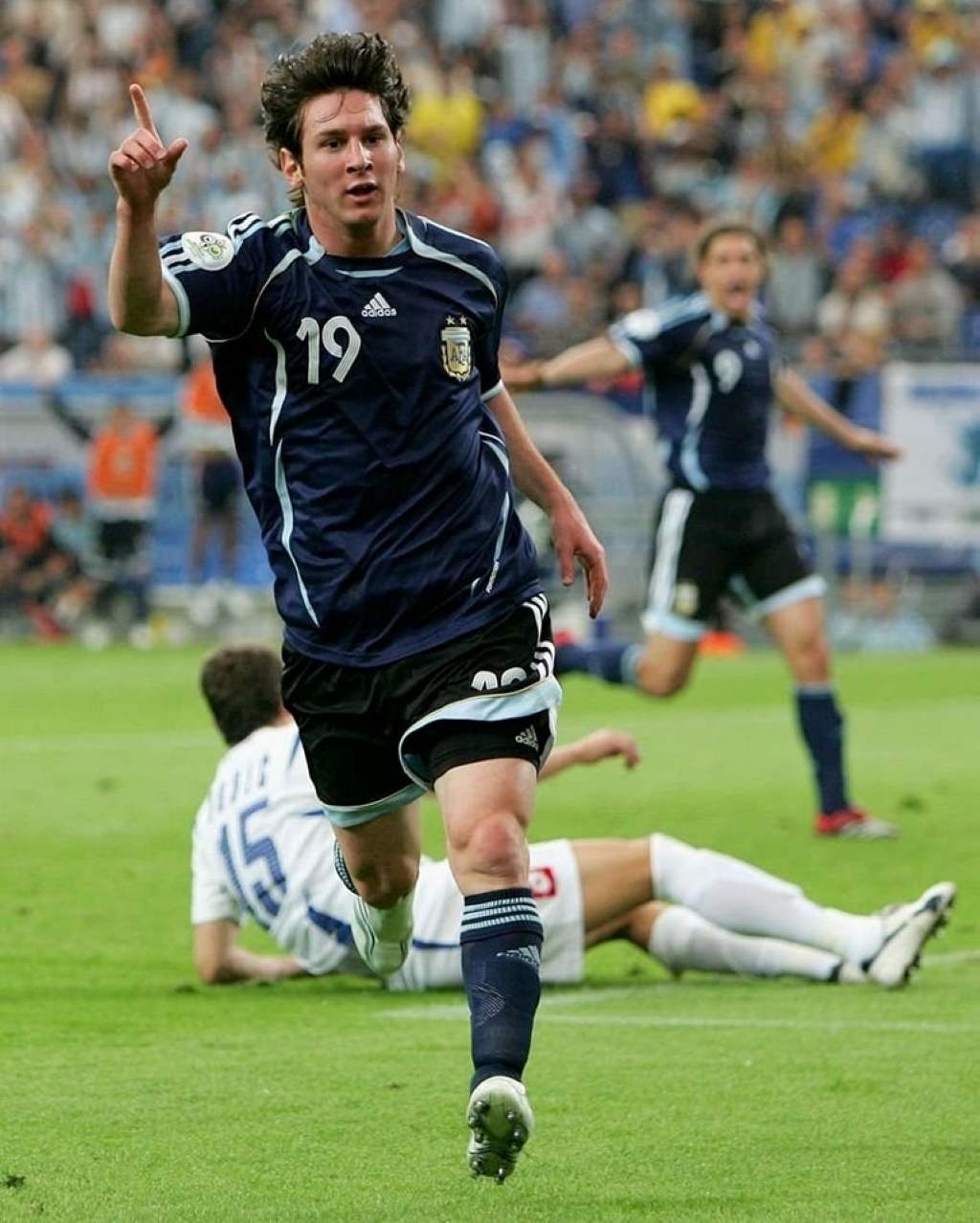
Lionel Messi pulls on the Argentina shirt for the 187th time. The stadium roars. Commentators shout one word: “Cap!” New fans scratch their heads. Veterans smile. That single word carries pride, history, and legacy. A cap in soccer means one official appearance for your national team. Simple, right? Yet it shapes careers more than club trophies. FIFA says over 200,000 caps have been awarded since 1872. Today, more than 180 men and 80 women have crossed the 100-cap mark. These numbers prove loyalty, skill, and endurance.
Why Caps Matter More Than Club Medals
Players chase Champions League glory every year. They earn caps once or twice a season at most.
Therefore, every international match feels heavier. Clubs pay salaries. Countries give immortality.
Cristiano Ronaldo holds the men’s record with 214 caps for Portugal. Bader Al-Mutawa from Kuwait sits second at 196. Among women, Kristine Lilly leads with 354 for the USA. These athletes played across decades, injuries, and time zones just to hear their names called again.
Moreover, caps open doors. Agents negotiate bonuses per cap. National federations hand lifetime pensions after 50 or 100 appearances. Fans vote captains by caps, not Instagram followers.
The Strange History of the Actual Cap
Scotland and England met in 1872 for the first official international. Winners received no trophy. Instead, every Scottish player got a silk cap with embroidery. The tradition stuck.
Soon, the Football Association mailed white caps to England players after each game. Goalkeepers wore different colors. The physical cap vanished decades ago, but the term stayed.
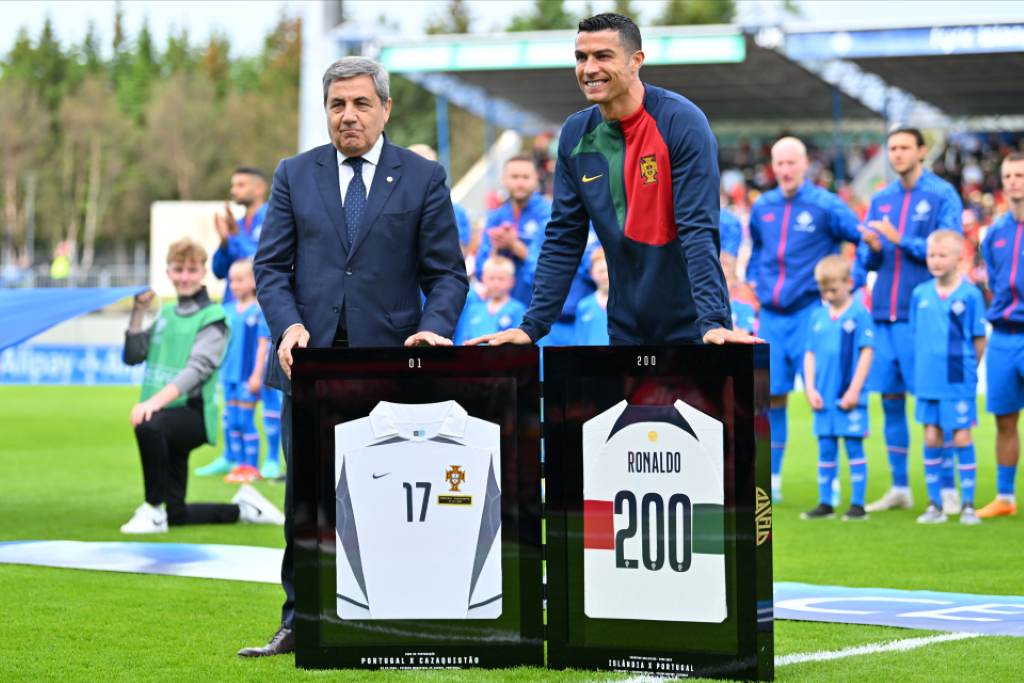
Now, federations gift commemorative caps only for milestones—50, 100, 150. Players frame them next to World Cup medals.
How Players Earn Their First Cap
Coaches pick the squad. You sit on the bench. That still counts as zero.
You must step onto the pitch. Even one minute in a friendly against San Marino awards a full cap.
However, substitutions changed everything. Before 2003, late subs sometimes received half-caps. FIFA ended that rule. One touch equals one cap forever.
Youth tournaments under FIFA’s banner also count. Under-17 World Cup minutes add up. That explains why Phil Foden already had caps before his Manchester City debut.
Different Types of Caps You Hear About
Commentators confuse newcomers daily. Here are the clear categories:
- Senior cap: Full national team appearance after age 23 or in official competition.
- Youth cap: Under-21, Under-20, Under-17 matches under FIFA.
- Olympic cap: Counts only if the senior team plays (rare now).
- Futsal or beach soccer cap: Separate tally, different sport.
Most records list senior caps only. Still, federations track everything.
Caps vs Goals: The Eternal Debate
Messi has 187 caps and 109 goals. Ronaldo owns 214 caps and 138 goals. Fans argue nonstop.
Yet caps measure availability. Goals measure finishing. A left-back rarely scores but defends his country for fifteen years. His 120 caps deserve the same applause.
Milestone Celebrations Around the World
Reach 50 caps—most countries give a silver plaque. Hit 100—gold cap and family on the pitch. Portugal flew Ronaldo’s mother by helicopter for his 200th.
Egypt retired Mohamed Aboutrika’s number after 100 caps. Denmark let Christian Eriksen design his own 100-cap shirt. Small gestures create giant memories.
Records That Will Probably Never Break
Kristine Lilly played 354 times for USA women. She started at 16 and finished at 36. That record needs someone to play four World Cups and every friendly for twenty years.
Among men, Soh Chin Ann from Malaysia claims 219 caps in the 1970s. FIFA recognizes only 195 because record-keeping was messy. Debates continue.
How Caps Affect Transfer Value
Scouts watch international windows closely. A 21-year-old with ten senior caps jumps ahead of a 21-year-old with zero. National team exposure proves you handle pressure.
Brighton paid £25 million for Ecuador’s Pervis Estupiñán partly because he already had 40 caps at age 24. Clubs see ready-made stars.
The Dark Side of Chasing Caps
Some nations schedule pointless friendlies in Asia for cash. Players fly 20 hours, play 45 minutes, fly back injured. Critics call them “cap farms.”
FIFA now limits windows. Still, Kuwait once played 18 games in one year just to push Bader Al-Mutawa higher.
Women Breaking Barriers Faster
Women’s football grows explosively. Christine Sinclair reached 331 caps for Canada. Alex Morgan, Sam Kerr, and Marta race past 200. Better scheduling and bigger tournaments accelerate the count.
By 2030, experts predict the first 400-cap woman. Men needed 150 years for 200. Women might do it in 50.
Famous One-Cap Wonders
George Best never played a major tournament. Northern Ireland qualified zero times during his prime. He still earned 37 caps.
Some legends have just one. England’s Owen Goal scored an own goal on debut in 1998 and never returned. Twitter still mocks him yearly.
Related:
How to Fix Inconsistent Soccer Shot Technique
Why Your Soccer Ball Loses Air Overnight
Caps in Popular Culture
FIFA video games show cap totals next to player names. Kids brag about virtual caps. Hollywood movies mention “winning his 50th cap” like it’s normal English.
Even non-fans understand when a commentator says, “He’s won his last cap.” Retirement feels final.
How National Teams Celebrate Debutants
Spain sings the new player’s name in the dressing room. Brazil hands a special shirt with “1” on the sleeve. Germany makes rookies carry senior bags.
These rituals turn nervous kids into family members instantly.
The Future of International Caps
New tournaments appear yearly. Nations League, CONCACAF Gold Cup, Africa Cup of Nations every two years now. Players born in 2005 could reach 250 caps by retirement.
However, club power grows. Real Madrid once blocked Vinícius Jr from Olympic duty. More conflicts loom.
Caps and Hall of Fame Voting
Every country’s hall of fame requires minimum caps. USA needs 20. Argentina demands 50. The number proves you mattered when it hurt most.
Youngest and Oldest Cap Winners
Freddie Adus reached 16 years and 74 days for England in 2024. Essam El-Hadary played at 45 years and 161 days in the 2018 World Cup for Egypt.
Both ends show football belongs to everyone.
Caps During Pandemics and Wars
COVID canceled 200 matches in 2020-21. Players lost two years of possible caps. Ukraine still played during missile attacks in 2022. Andriy Yarmolenko cried after earning cap 117 in Poland wearing borrowed boots.
Football stops for nothing.
How Fans Track Caps Today
Apps like Transfermarkt update live. National websites post cap charts after every game. Grandparents in Argentina keep paper lists in drawers.
Technology made legends accessible to everyone.
The Emotional Weight of the Final Cap
Retirement matches sell out fastest. Germany gave Lukas Podolski a microphone to thank 60,000 fans after cap 130. Tears flowed for ten minutes.
Players say the final cap hurts worse than losing a World Cup final.
Caps Across Confederations
Asia produces marathon men. Australia’s Tim Cahill reached 107 despite switching from Samoa. Oceania struggles for games, so Mark Bosnich has only 17.
Geography shapes legacies as much as talent.
Conclusion
A cap in soccer is more than a number. It is proof you represented 50 million people on the biggest stage. Messi, Ronaldo, Lilly, and thousands more traded sleep, family time, and health for that honor.
Next time your team plays, watch the debutant jog out nervous. Remember—one minute from now, he joins the same list as Pelé. That tiny word “cap” carries centuries of dreams.
Start your own cap journey today. Join a local club, play Sunday league, dream of that call-up. Every great story begins with zero caps.
FAQs
What exactly counts as an official cap in soccer?
Any minute played in a senior national team match recognized by FIFA. Friendlies, qualifiers, and finals all count equally.
Do substitute appearances give full caps?
Yes. Since 2003, even one second on the pitch awards a full international cap.
Who has the most caps in soccer history?
Kristine Lilly with 354 for USA women. Cristiano Ronaldo leads men with 214 for Portugal.
Can a player lose caps?
Never. Once awarded, caps stay forever, even if banned later.
Why do some players have caps for two countries?
FIFA once allowed one permanent switch. New rules lock players after three games before age 21.