

Football (or soccer, depending on where you’re from) is undeniably the world’s most popular sport. With billions of fans worldwide, its global appeal translates into massive revenue for the top clubs. While we all love the beautiful game, the financial side of football has become increasingly fascinating, especially when it comes to the staggering amounts paid to the best players.
In this article, we’ll delve into the world’s highest-paid football clubs, examining not only their wage bills but also the factors that contribute to their financial might.
How Do We Measure “Highest Paid”?
While the phrase “highest-paid club” sounds straightforward, it’s crucial to understand what that means in the context of football finances. Here are the key aspects:
- Wage Bill: This is the total amount a club spends on player salaries every year. It’s the most direct indicator of how much a club invests in its playing talent.
- Revenue: A club’s revenue is the money it earns from various sources, including sponsorships, broadcasting deals, merchandise sales, and matchday ticket sales. A large revenue stream allows clubs to afford hefty wage bills.
- Financial Sustainability: Long-term success depends on responsible spending. Clubs must balance their expenditures with income to avoid financial troubles and comply with regulations like UEFA’s Financial Fair Play.
The Top Contenders
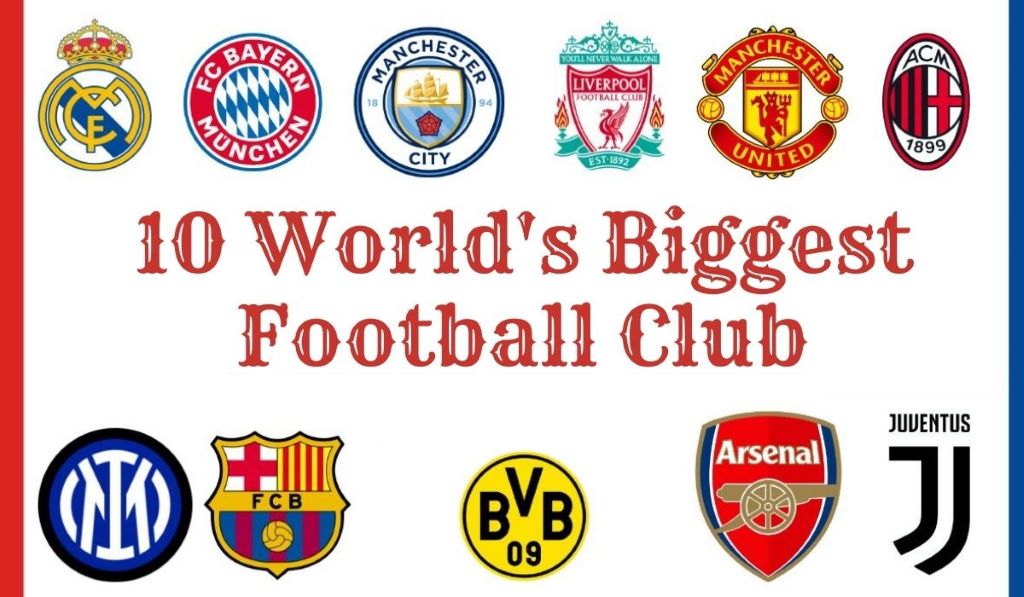
Over recent years, a handful of European giants have dominated the list of the world’s highest-paid football clubs. Here’s a look at the usual suspects:
- Paris Saint-Germain (PSG): Backed by Qatari ownership, PSG has shattered transfer records and assembled a star-studded squad including Messi, Neymar, and Mbappé. Their astronomical wage bill often puts them at the top of the list.
- Real Madrid and FC Barcelona: These Spanish giants are traditional powerhouses with enormous global fanbases and lucrative sponsorship deals. They consistently compete for the top talents, which translates into significant wage expenditures.
- Manchester City and Manchester United: The two Manchester clubs, fueled by Premier League broadcasting revenue and strong commercial income, have been major players in the transfer market, assembling expensive rosters.
- Other Major Clubs: While those mentioned above are the regular frontrunners, clubs like Chelsea, Liverpool, Bayern Munich, and Juventus also boast impressive wage bills as they aim to attract the finest players.
The Factors Behind Big Salaries
Why do the top clubs pay such extraordinary sums to their players? Here’s a breakdown:
- Competition for Talent: As the elite clubs compete for the world’s best players, the bidding wars drive salaries upwards. Star players hold significant leverage, commanding top wages.
- Global Broadcast Revenue: Premier League clubs particularly benefit from massive broadcasting deals, providing them with immense financial resources to invest in players.
- Commercial Success: Clubs with large global fanbases attract lucrative sponsorships. This additional income enables them to offer competitive salaries and remain attractive to top players.
- The Desire to Win: Success on the pitch often equates to greater financial returns through prize money and increased commercial opportunities. Clubs are willing to invest heavily in their squad for a chance at trophies.
Is a High Wage Bill a Guarantee of Success?
While a substantial wage bill gives clubs the ability to sign the best players, it doesn’t always translate directly into trophies. Here’s why:
- Team Chemistry: A collection of star players doesn’t guarantee a cohesive team. On-field chemistry and a manager’s tactical acumen are crucial for translating talent into wins.
- Injuries: Even the top players are susceptible to injuries that can derail a team’s spending doesn’t always protect against this.
- Sustainability Matters: Clubs must balance their wage bill with their overall financial health. Irresponsible spending can lead to long-term problems and penalties from governing bodies.
The Importance of Smart Spending
In today’s football landscape, it’s not just about who spends the most, but who spends the smartest. Clubs that strategically invest in player development, scouting networks, and a mix of experienced stars and young talents often find greater long-term success.
Conclusion
The financial world of football is captivating, with the highest-paid clubs regularly making headlines. While a massive wage bill gives a club access to the game’s top talent, smart spending, team dynamics, and a focus on sustainability are all crucial ingredients for turning that investment into on-pitch success.