
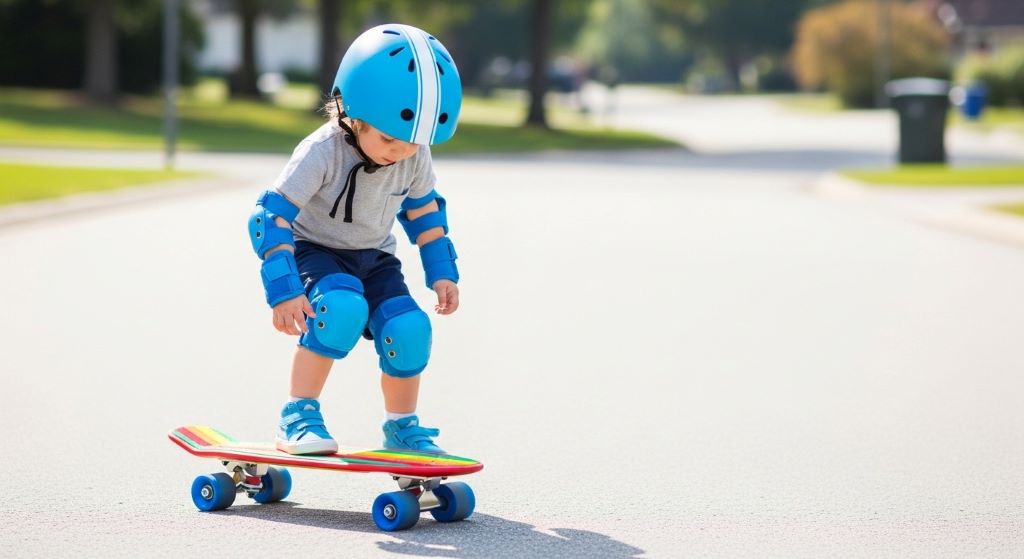
Watching your little one zoom around on a skateboard brings pure joy to any parent’s heart. However, finding the right board for young children requires careful consideration. Safety, size, and stability matter more than fancy tricks at this age. This comprehensive guide will help you select the perfect first skateboard for your preschooler.
Understanding Your Child’s Developmental Stage
Children between three and six years old are still developing their motor skills and balance. Their coordination improves daily, yet they remain vulnerable to falls and injuries. Therefore, choosing equipment that matches their physical abilities becomes essential for building confidence.
Most children in this age group weigh between 30 and 50 pounds. Their height typically ranges from 36 to 46 inches. These measurements directly influence which skateboard dimensions will work best. Additionally, their attention span remains short, so the learning process should feel fun rather than frustrating.
Young skaters need boards that forgive mistakes. Wide decks provide better stability, while softer wheels absorb bumps more effectively. The goal is creating positive experiences that encourage continued practice without overwhelming them.
Key Features of Quality Starter Boards
Several characteristics distinguish excellent beginner skateboards from standard models. Understanding these features helps parents make informed decisions when shopping.
Deck Width and Length
The deck serves as the foundation of any skateboard. For young children, wider decks between 7 and 8 inches offer superior stability. This extra width gives small feet more surface area to stand on comfortably. Furthermore, shorter decks measuring 27 to 28 inches in length allow easier maneuverability for smaller bodies.
Many manufacturers create mini cruisers specifically designed for preschoolers. These compact boards weigh less and feel less intimidating to beginners. The reduced size also makes carrying and storing the skateboard much simpler for both kids and parents.
Wheel Composition and Size
Wheels dramatically affect how smoothly a skateboard rides. Softer wheels made from polyurethane provide better grip and shock absorption. They handle cracks, pebbles, and rough surfaces more gracefully than harder alternatives. Look for wheels with a durometer rating between 78A and 87A for optimal performance.
Larger wheels between 54mm and 60mm roll over obstacles more easily. They maintain speed better on various surfaces, which helps young riders avoid sudden stops. This consistency builds confidence as children learn basic pushing and balancing techniques.
Truck Quality and Turning Radius
Trucks connect the wheels to the deck while enabling turns. High-quality trucks made from durable aluminum resist bending and breaking. They should turn smoothly without being too loose, which could cause wobbling.
For beginners, slightly tighter trucks promote stability during the learning phase. As children gain experience, you can adjust the trucks to allow sharper turns. This flexibility grows with your child’s developing skills.
Weight Capacity and Construction
Even though children are light, the skateboard must support their weight comfortably. Most quality boards for this age group support between 110 and 150 pounds. This capacity ensures the deck won’t crack or flex excessively during use.
Seven-ply maple wood construction offers the best balance of strength and weight. Canadian maple is particularly prized for its durability and flexibility. Some boards use bamboo or composite materials, which also perform well while remaining environmentally friendly.
Safety Equipment Considerations
No discussion about kids skateboard guide would be complete without addressing protective gear. Even the best beginner skateboard for kids 3–6 requires proper safety equipment to prevent injuries.
Essential Protective Gear
Helmets rank as the single most important safety item. Choose a helmet certified by CPSC or ASTM standards. It should fit snugly without sliding around when your child shakes their head. The helmet should sit level on the head, covering the forehead without tilting backward.
Knee pads and elbow pads protect joints during inevitable falls. Look for pads with hard plastic caps over foam cushioning. They should stay in place during movement without feeling too tight or restrictive. Wrist guards add another layer of protection, especially since children instinctively put their hands out when falling.
Creating Safe Practice Environments
Where children practice matters as much as what they wear. Smooth, flat surfaces like empty parking lots or tennis courts work wonderfully. Avoid areas with traffic, pedestrians, or obstacles until your child develops solid control.
Supervision remains crucial during every practice session. Stay close enough to offer guidance and catch potential problems before they escalate. Your presence also provides emotional support when frustration sets in or confidence wavers.
Different Skateboard Types for Young Beginners
Not all skateboards serve the same purpose. Understanding the various types helps you match the board to your child’s interests and abilities.
Standard Skateboards
Traditional skateboards feature a curved deck with a kicktail on both ends. While versatile, they require more balance and coordination than alternatives. These boards work better for children closer to age six who have developed stronger motor skills.
Standard boards allow progression into tricks and skateparks as skills improve. However, they present a steeper learning curve for very young or cautious children. Consider your child’s confidence level before choosing this option.
Cruiser Boards
Cruiser boards emphasize smooth riding over trick performance. They typically feature softer wheels, wider decks, and sometimes pintail or fish-tail shapes. These characteristics make cruisers more forgiving and easier to balance on for newcomers.
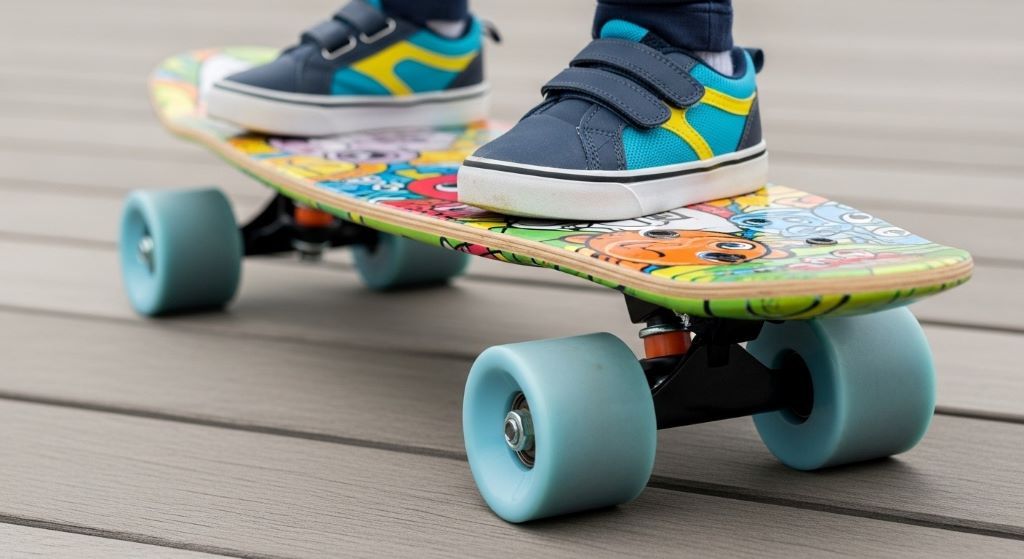
Many cruisers come in fun colors and designs that appeal to young children. The aesthetic appeal can motivate reluctant learners to keep trying. Additionally, cruisers excel at simple transportation around neighborhoods or parks.
Longboards
Longboards provide maximum stability through their extended length and wide stance. While typically associated with older riders, mini longboards suit children aged five to six quite well. The larger platform reduces wobbling and increases confidence.
These boards work particularly well for children who struggle with balance. The lower center of gravity makes falling less likely. However, their size makes them harder for very small children to carry independently.
Budget Considerations Without Compromising Quality
Parents naturally want to find affordable options, especially since children outgrow equipment quickly. Nevertheless, cutting corners on quality can lead to dangerous situations and discouraging experiences.
Price Ranges and Expectations
Entry-level skateboards suitable for young children typically cost between 40 and 80 dollars. This range usually includes complete boards with decent components. Spending less often means poor construction that won’t withstand regular use.
Mid-range options between 80 and 120 dollars offer better durability and performance. These boards feature higher-quality bearings, stronger decks, and smoother wheels. They represent good value for children who show genuine interest in skating.
Premium boards exceeding 120 dollars provide top-tier components and construction. While excellent, they’re often unnecessary for absolute beginners. Save these investments for children who have proven their commitment to the sport.
When to Invest More
Certain situations justify spending extra money upfront. If your child shows exceptional enthusiasm or natural talent, better equipment can support faster progression. Similarly, children with older siblings who skate may benefit from quality boards that handle more aggressive use.
Durability also factors into the equation. A slightly more expensive board that lasts two years costs less than replacing cheap boards twice. Consider the total cost of ownership when making decisions.
Teaching Your Child to Ride Safely
Selecting the right board represents only half the battle. Teaching proper techniques ensures safety while building skills efficiently.
Starting with the Basics
Begin by having your child stand on the stationary board. Let them get comfortable with the feeling under their feet. Practice shifting weight from side to side while you hold their hands for support.
Next, introduce gentle pushing on flat ground. Have them place one foot on the board while pushing with the other. Keep sessions short to prevent fatigue and maintain enthusiasm. Celebrate small victories to build confidence.
Progressive Skill Development
Once basic pushing feels comfortable, work on coasting short distances. Teach them to position both feet on the board and maintain balance. Gradually increase the distance as their confidence grows.
Turning comes next, starting with wide, gentle curves. Show them how to lean slightly in the direction they want to go. Practice stopping by stepping off the board rather than attempting advanced braking techniques.
Maintenance Tips for Longevity
Proper care extends the life of any skateboard while maintaining safety standards. Teaching children basic maintenance also builds responsibility and appreciation for their equipment.
Regular Inspections
Check the board weekly for loose hardware, cracks, or excessive wear. Tighten any loose bolts using a skate tool or appropriate wrench. Inspect wheels for flat spots or chunks missing from the urethane.
Bearings should spin freely without grinding sounds. Clean them periodically by removing the wheels and wiping away dirt and debris. Replace bearings if they become noisy or sluggish despite cleaning.
Storage and Protection
Store skateboards indoors away from extreme temperatures and moisture. Heat can warp decks, while water damages bearings and weakens wood. Keep the board off the ground to prevent warping from uneven surfaces.
Teach children to carry rather than drag their boards. Dragging wears down the tail and damages graphics. A simple wall mount keeps the board accessible while protecting it from damage.
Recognizing When to Upgrade
Children grow quickly, and their skateboard needs change accordingly. Knowing when to upgrade prevents frustration and supports continued development.
Physical Growth Indicators
When your child’s feet hang significantly over the deck edges, they’ve outgrown their board. Similarly, if they’re maxing out the weight capacity, it’s time for something larger. Most children need a new skateboard every 12 to 18 months during rapid growth phases.
Skill Progression Signs
As abilities improve, children may feel limited by beginner equipment. They might express interest in tricks, faster speeds, or different skating styles. These signs indicate readiness for more advanced boards that match their evolving interests.
Conclusion
Choosing the best beginner skateboard for kids 3–6 requires balancing safety, quality, and age-appropriate features. Wide decks, soft wheels, and sturdy construction create positive learning experiences for young children. Equally important, proper safety gear and supervision prevent injuries while building confidence.
Remember that every child develops at their own pace. Some may take to skateboarding immediately, while others need more time and encouragement. Patience, appropriate equipment, and a supportive environment set the foundation for a lifetime of enjoyment.
By following this kids skateboard guide, you’ll find the perfect board that matches your child’s abilities and interests. The joy on their face when they successfully coast for the first time makes every moment of research worthwhile.
Frequently Asked Questions
What age is appropriate for a child to start skateboarding?
Children can begin skateboarding as early as age three if they show interest and have developed basic balance skills. However, every child develops differently. Some may be ready at three, while others benefit from waiting until four or five. Look for signs of coordination, following instructions, and genuine enthusiasm before introducing skateboarding.
How long should practice sessions last for young children?
Keep initial practice sessions between 15 and 30 minutes. Young children tire quickly and lose focus after extended periods. Short, frequent sessions work better than long, infrequent ones. Stop when your child shows signs of fatigue or frustration to keep the experience positive and prevent injuries from tiredness.
Can my child use a regular skateboard instead of one designed for beginners?
While possible, regular skateboards are not ideal for very young children. They typically feature narrower decks, harder wheels, and proportions designed for older riders. Beginner-specific boards provide better stability and control, which builds confidence more effectively. Investing in age-appropriate equipment prevents discouragement and potential injuries.
How do I know if the skateboard fits my child properly?
Your child should be able to stand comfortably on the deck with both feet flat and parallel. Their feet shouldn’t hang over the edges significantly. When standing, they should reach the ground easily to push and stop. The board should feel stable rather than wobbly, and your child should be able to carry it without struggling.
What’s more important: helmet quality or skateboard quality?
Both matter tremendously, but if you must prioritize, choose a certified, properly fitted helmet first. Head injuries pose the most serious risks. A child can learn on a basic skateboard, but they cannot learn safely without proper head protection. Never compromise on helmet quality, and ensure it meets current safety standards.
Related Topics:
How to Start Skateboarding as an Adult with a Beginner Skateboard
9 Wearable Tech Devices Revolutionizing Swimming Stroke Analysis in 2025