
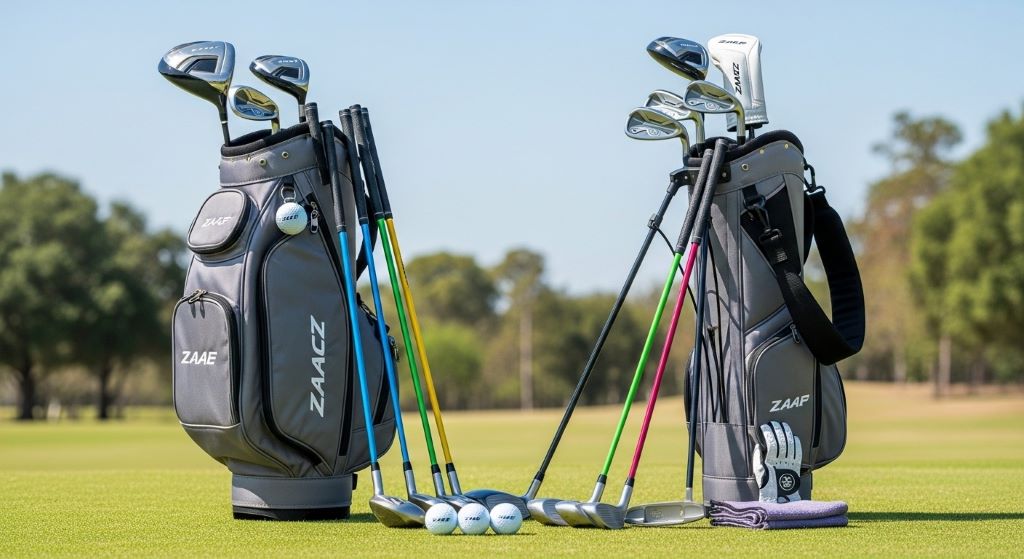
Getting your child started in golf requires careful consideration of equipment. The right clubs can make the difference between a frustrated beginner and an enthusiastic young player who wants to spend every weekend on the course. This comprehensive guide will help you understand what to look for when selecting kids golf clubs and provide an in-depth review of the Young Gun ZAAP ACE set.
Golf is a sport that teaches patience, discipline, and sportsmanship. However, starting with inappropriate equipment can discourage young players before they even develop basic skills. Adult clubs are too heavy, too long, and too difficult for children to control. Therefore, investing in properly sized equipment is essential for your child’s enjoyment and development in the sport.
Understanding Why Proper Equipment Matters
Many parents wonder if junior-specific clubs are truly necessary. The answer is a resounding yes. Using adult clubs or even hand-me-downs from older siblings can create bad habits that are difficult to correct later.
Children’s bodies are still developing. Their strength, coordination, and swing mechanics differ significantly from adults. Clubs designed for their size and ability level allow them to learn proper techniques from the start. Additionally, lighter clubs enable young players to complete their swing without straining.
When clubs are too heavy, children compensate by using improper form. They might grip too tightly, swing too fast, or use their arms instead of rotating their body. These compensations become ingrained habits that hinder progress as they grow.
The right equipment builds confidence. When a child can actually hit the ball and see it fly through the air, they feel successful. This positive reinforcement keeps them engaged and eager to improve. Conversely, constantly struggling with oversized clubs leads to frustration and loss of interest.
Key Factors in Selecting Junior Golf Equipment
Several important considerations should guide your purchase decision. Understanding these factors helps you choose clubs that will serve your child well as they learn the game.
Height and age are your starting points, but they’re not the only factors. Two children of the same age might need different club lengths based on their individual height and arm length. Most manufacturers provide sizing charts that correlate height ranges with appropriate club lengths.
The number of clubs in a starter set matters less than having the right types. Beginners don’t need a full 14-club set like adults carry. A simplified set with a driver, fairway wood, hybrid or iron, wedge, and putter provides everything necessary to learn the game. Too many options can actually confuse young players who are still understanding which club to use when.
Shaft flexibility affects how the club performs. Junior shafts should be more flexible than adult shafts because children generate less clubhead speed. This flexibility helps them achieve better distance and trajectory with their developing swing speed.
Grip size is often overlooked but critically important. Grips that are too large prevent proper hand positioning and make it difficult to release the club through impact. Junior grips are smaller in diameter to fit smaller hands comfortably.
Weight distribution throughout the club influences how easy it is to swing. Well-designed junior clubs balance weight appropriately so young players can control the club throughout their swing without excessive effort.
What Makes a Quality Set for Young Players
Not all junior sets are created equal. Quality varies significantly across brands and price points. Understanding what separates good sets from mediocre ones helps you make an informed decision.
Construction materials impact both performance and durability. Better sets use lightweight materials that maintain structural integrity. Aluminum and graphite shafts are common in quality junior clubs because they’re lighter than steel while still being durable enough to withstand learning mistakes.
Club head design should promote forgiveness. Larger sweet spots help young players achieve better contact even when they don’t hit the ball perfectly centered. This forgiveness is crucial for maintaining confidence during the learning process.
The bag itself deserves attention. A quality stand bag should be lightweight, have comfortable straps, and include enough pockets for balls, tees, and snacks. However, it shouldn’t be so large that a child can’t carry it comfortably.
Growth accommodation is a practical consideration. Some sets are designed for specific height ranges, while others include adjustable features that extend their useful life. Consider how quickly your child is growing when making your selection.
Introducing the Young Gun ZAAP ACE Set
The ZAAP ACE Junior Golf Club Set has gained popularity among parents and junior golf instructors. This set is designed specifically for children between certain height ranges, making it a strong contender for families shopping for beginner golf clubs for kids.
Young Gun, the manufacturer, specializes exclusively in junior golf equipment. This focused approach means they understand the specific needs of young players rather than treating junior clubs as an afterthought to their adult line.
The ZAAP ACE set comes in multiple size options to accommodate different age groups and heights. This sizing variety ensures you can find the right fit for your child’s current measurements. Each size option includes the same club types but scaled appropriately.
Detailed Components of the ZAAP ACE Set
Let’s examine each component included in this set and how it contributes to a young player’s development.
The driver features a large titanium head that provides forgiveness on off-center hits. Its lightweight graphite shaft allows children to generate adequate swing speed without excessive effort. The loft angle is higher than adult drivers, helping young players get the ball airborne more easily.
A fairway wood is included for longer shots from the fairway or tee. This club bridges the gap between the driver and irons, teaching children about club selection and distance control. The low center of gravity helps launch the ball into the air consistently.
The set includes a hybrid club, which has become increasingly popular even among adult golfers. Hybrids are easier to hit than traditional long irons because their design promotes higher launch angles and more forgiveness. For junior players still developing their skills, this club is often their most reliable option for mid-range distances.
Two irons are provided, typically a 7-iron and a 9-iron. These clubs teach fundamental iron play and help young players learn to create different trajectories and distances. The cavity-back design increases forgiveness compared to blade-style irons.
A sand wedge helps children learn to escape bunkers and execute short shots around the green. The added loft and bounce angle make these shots more manageable for beginners who might otherwise struggle with these challenging situations.
The putter is specifically designed for junior players with a shorter shaft and lighter weight. Its alignment aids help young players set up correctly and develop consistent putting mechanics. Many instructors consider putting the easiest place for beginners to experience early success.
Performance Features That Stand Out
Several aspects of the ZAAP ACE set deserve special attention because they directly impact how well young players can learn and enjoy the game.
The lightweight construction throughout the entire set reduces fatigue. Children can practice longer and play more holes without becoming physically exhausted. This extended playing time accelerates learning and keeps the experience enjoyable.
Color-coded clubs help young players quickly identify which club to use. This visual system simplifies club selection, allowing children to focus on their swing rather than searching through their bag. As they gain experience, they naturally learn the numerical system used in adult golf.
The grips are appropriately sized for junior hands and feature slightly tacky rubber that promotes secure hold without requiring excessive grip pressure. Proper grip pressure is fundamental to good swing mechanics, and these grips facilitate correct technique.
Shaft flex is calibrated for the swing speeds typical of children in each size category. This appropriate flex helps maximize distance and control given the forces young players can generate.
The Bag and Accessories
The included stand bag is an often underappreciated but important component of junior golf set features. The ZAAP ACE bag balances functionality with practicality for young users.
The stand mechanism is easy for children to operate independently. This feature allows them to set up their bag without adult help, promoting self-sufficiency and responsibility for their equipment. Sturdy legs ensure the bag remains stable on various terrain types.
Dual shoulder straps distribute weight evenly when carrying the bag. This ergonomic design is important because it prevents strain on developing backs and shoulders. The straps are also adjustable to accommodate different body sizes and preferences.
Multiple pockets provide organization for balls, tees, gloves, and personal items. However, the pocket design isn’t overly complicated, making it easy for children to find what they need quickly.
The bag features attractive graphics and comes in various color options. While aesthetics might seem superficial, children who like how their equipment looks are more likely to be excited about using it.
A rain hood is included to protect clubs during wet weather. This practical addition shows attention to detail and helps preserve the investment parents make in their child’s equipment.
Comparing Value and Competition
Understanding how the ZAAP ACE set compares to alternatives helps contextualize its strengths and potential limitations.
Price-wise, this set falls in the mid-range category. It costs more than basic department store sets but less than premium options from major golf brands. This positioning makes it accessible to families who want quality without the highest price tag.
Build quality exceeds what you typically find in budget sets. The clubs feel solid during use and show good durability over time. Parents report that the set holds up well through a season or more of regular use.
Compared to top-tier brands, the ZAAP ACE offers similar performance at a lower cost. The main differences appear in brand recognition and minor refinements rather than fundamental quality or functionality. For most young beginners, these differences don’t significantly impact their learning experience.
Some competitors offer more clubs in their sets, but as mentioned earlier, more isn’t always better for beginners. The ZAAP ACE selection provides everything needed without overwhelming young players with too many options.
Age and Size Recommendations
Choosing the correct size within the ZAAP ACE line is crucial for getting the benefits this set offers.
The smallest size option works well for children approximately 3 to 5 years old, typically standing between 36 and 42 inches tall. At this age, golf is mainly about introduction and fun rather than serious skill development.
The next size up accommodates children aged 6 to 8 years, usually between 43 and 51 inches tall. Many children in this range begin taking golf more seriously and can benefit from regular practice and possibly lessons.
Older children aged 9 to 12 years, standing between 52 and 59 inches tall, use the largest junior size before transitioning to adult clubs. Players in this category often have developed enough skill to compete in junior tournaments if interested.
Always measure your child’s height before ordering and consult the manufacturer’s size chart. Additionally, consider their rate of growth. If they’re on the cusp between sizes, the larger option might provide more longevity.
Getting Started With Your New Set
Once you’ve purchased the clubs, helping your child get started properly sets them up for success and enjoyment.
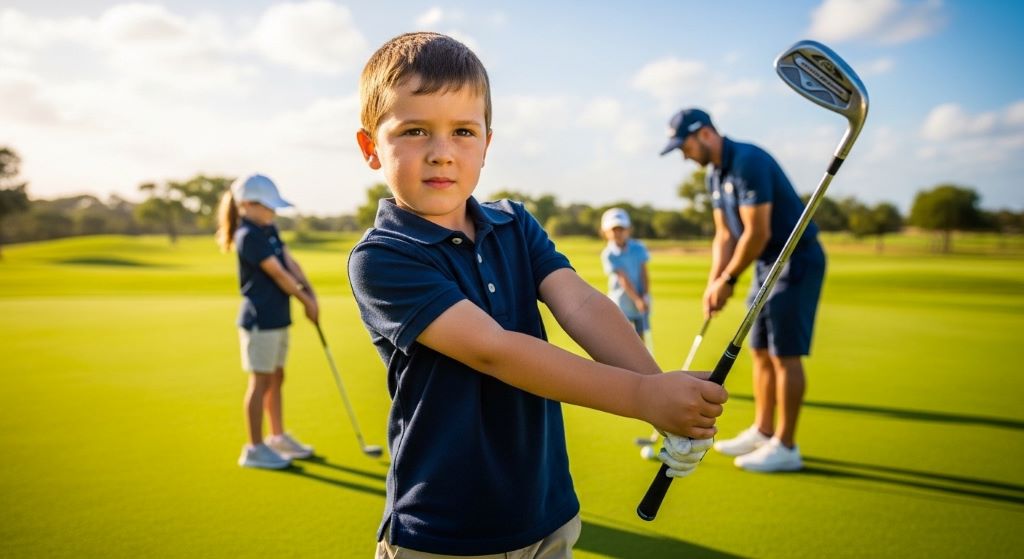
Consider professional instruction, even just a few lessons, to establish proper fundamentals. Many golf courses and teaching professionals offer junior programs designed specifically for young beginners. These programs teach not only swing mechanics but also course etiquette and rules.
Practice facilities are perfect for initial skill development. Driving ranges often have discounted junior rates, making practice affordable. Short game areas allow children to work on putting and chipping in a lower-pressure environment than the full course.
Start with shorter courses or executive courses that feature par 3 holes. These venues provide appropriate challenges for beginners without the intimidation factor of full-length courses. Success on shorter holes builds confidence for eventually playing regulation courses.
Make it fun rather than focusing on scores or perfect technique. Children learn best when they’re enjoying themselves. Play games on the practice green, have competitions for accuracy rather than distance, and celebrate improvements no matter how small.
Maintenance and Care Tips
Properly maintaining kids golf clubs extends their useful life and teaches children responsibility for their equipment.
Clean clubs after each use by wiping down the club faces and grips with a damp cloth. Dirt and grass can accumulate in the grooves of irons and wedges, affecting performance. Teaching children this simple routine develops good habits.
Store clubs indoors when possible. Extreme temperatures and moisture can damage grips and weaken shaft bonds over time. If garage storage is necessary, keep clubs away from direct sunlight and humidity.
Check grips periodically for wear. Worn grips become slippery and harder to control. Replacing grips is relatively inexpensive and can significantly improve how the clubs perform.
Inspect club heads for damage, particularly after rounds where the child might have hit the ground hard behind the ball. Small dents usually don’t affect performance, but significant damage might require professional repair or replacement.
The bag needs attention too. Empty all pockets regularly, check zippers for functionality, and clean any mud or grass off the exterior. These small maintenance tasks keep everything in good working order.
Recognizing When to Upgrade
Children grow quickly, and eventually they’ll outgrow even well-fitted junior clubs. Knowing when to upgrade ensures they continue developing their skills properly.
The most obvious sign is physical growth. If your child has grown two or more inches since getting their clubs, it’s time to reassess the fit. Clubs that are too short force poor posture and swing mechanics.
Skill development also indicates upgrade timing. If your child has progressed significantly and the beginner clubs are limiting their potential, moving to a more advanced junior set or even adult clubs (if they’re tall enough) might be appropriate.
Watch for signs of frustration related to equipment rather than skill. If your child is making good swings but clubs aren’t performing as expected, they might have outgrown the capabilities of their current set.
The Investment Perspective
Junior golf equipment represents both a financial investment and an investment in your child’s development and enjoyment.
Quality sets like the ZAAP ACE maintain resale value reasonably well. Many families successfully sell used junior sets when their children outgrow them, recouping a portion of the initial cost. Online marketplaces and local golf shops often have demand for well-maintained junior equipment.
The cost per use makes this investment quite reasonable when children play regularly. Compared to many youth sports that require ongoing fees for leagues and facilities, golf equipment is largely a one-time expense that provides multiple seasons of use.
Consider the broader benefits beyond just learning golf. The sport teaches valuable life skills including patience, integrity, emotional control, and strategic thinking. These lessons extend well beyond the golf course into other areas of life.
Conclusion
Selecting appropriate equipment is the foundation of a positive junior golf experience. The right clubs enable children to learn proper techniques, build confidence, and develop genuine enthusiasm for the sport. The Young Gun ZAAP ACE Junior Golf Club Set exemplifies what quality junior equipment should provide: proper sizing, appropriate weight, forgiving design, and thoughtful features that support learning.
When choosing kids golf clubs, prioritize fit over brand names, quality over quantity, and appropriateness for your child’s current skill level. The ZAAP ACE set successfully balances these priorities while remaining accessible to families at various budget levels. Its comprehensive design addresses the specific needs of young players without unnecessary complexity.
Remember that equipment alone doesn’t create successful junior golfers. Patience, encouragement, proper instruction, and making golf fun are equally important. However, starting with well-designed clubs like those in the ZAAP ACE set removes equipment as a barrier to learning and enjoyment.
Whether your child dreams of playing competitively or simply enjoys family rounds on weekends, investing in proper junior equipment sets them on a path toward lifelong enjoyment of this wonderful sport. The Young Gun ZAAP ACE set provides an excellent foundation for that journey.
Frequently Asked Questions
How long will my child be able to use a junior golf set before needing to upgrade?
Most children use their junior set for one to three years, depending on their growth rate and how frequently they play. Rapidly growing children might need new clubs every 12 to 18 months, while slower-growing children might get several years of use. Regular fit checks help determine when clubs no longer match your child’s size and ability.
Can my child use hand-me-down clubs from an older sibling?
Hand-me-down clubs can work if they still fit properly and are in good condition. Check that the clubs match your child’s current height according to manufacturer sizing charts. Also inspect grips, shafts, and club heads for wear or damage. If the clubs are appropriate size and well-maintained, they’re perfectly acceptable for use.
Should I buy a complete set or individual clubs for my beginner?
Complete sets offer better value and ensure all clubs are properly matched in terms of length, weight, and flex. For true beginners, a complete set provides everything needed to learn all aspects of the game. Individual clubs make more sense later when replacing specific clubs or filling gaps in an existing set.
At what age should children transition from junior clubs to adult clubs?
The transition depends more on height than age. Most children are ready for adult clubs when they reach approximately 60 inches tall or can comfortably handle adult club weight and length. This typically occurs between ages 12 and 15, though some taller children transition earlier while shorter players might use junior clubs into their mid-teens.
How important is brand name when buying junior golf clubs?
Brand name matters less for junior clubs than for adult equipment. Focus instead on proper fit, appropriate weight, and quality construction. Many specialized junior brands like Young Gun offer excellent quality without the premium pricing of major adult golf brands. Read reviews, check specifications, and prioritize features over logos when making your decision.
Related Topics:
How Can You Buy Golf Clubs for Kids & Women Without Overspending?
How to Start Skateboarding as an Adult with a Beginner Skateboard