
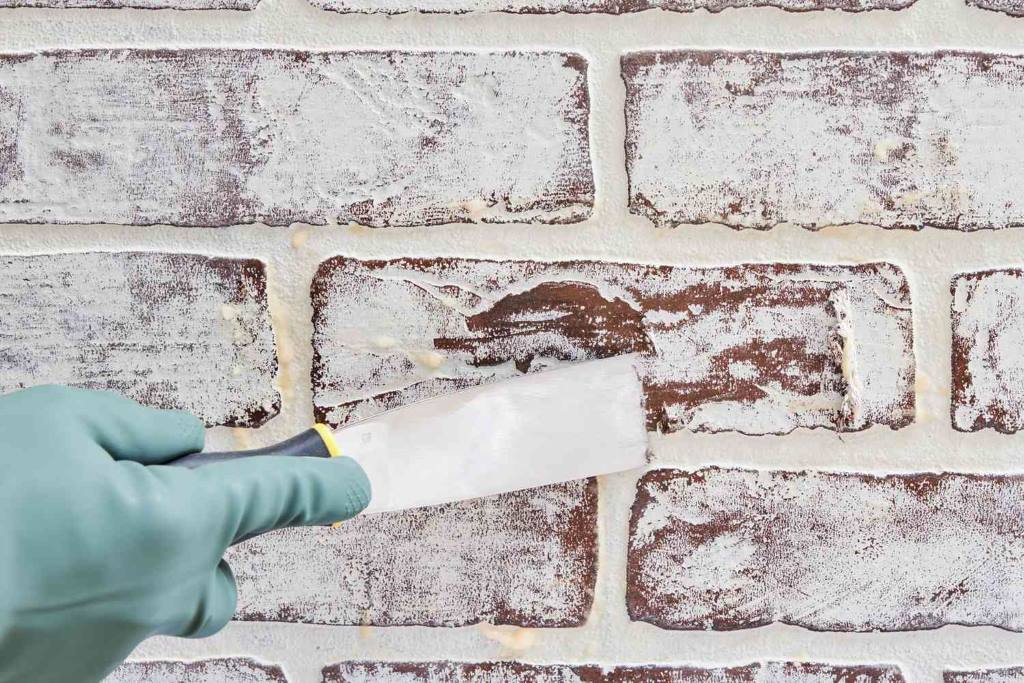
Paint hides the charm of your brick fireplace. You stare at it daily, wishing for that warm, rustic look again. Removing paint from brick restores beauty and boosts home value. A 2023 EPA report shows over 70% of homes built before 1978 have lead-based paint risks. The National Park Service notes proper removal preserves historic brick integrity.
You can tackle this project yourself. Follow safe steps. Choose the right method. Protect your health. This guide covers everything from testing paint to final cleanup.
Why Remove Paint from Brick Fireplace
Old paint peels or bubbles. It traps moisture on porous surfaces. Brick breathes naturally. Paint blocks that. Mold grows. Brick deteriorates.
Restoring exposes texture. Fireplaces become focal points. Painted brick looks dated. Natural brick feels timeless.
Lead paint poses dangers. CDC data reveals kids in 3.6 million U.S. homes face lead exposure. Test first if your home dates pre-1978.
Test for Lead Paint First
Grab a lead paint test kit. Home Depot sells them. Swab the surface. Wait for results.
Positive test? Hire pros. DIY risks health. Negative? Proceed safely.
Use personal protective equipment always. Nitrile gloves shield skin. Masks block fumes and dust.
Gather Tools and Materials
You need basics.
- Wire brush for scraping
- Chemical stripper or gel strippers
- Paint thinners if needed
- Pressure washer for outdoors (avoid indoors)
- Plastic wrap to cover stripper
- Trisodium phosphate for cleaning
- Muriatic acid as last resort
- Metal brushes for tough spots
- Paint scraper
- Buckets, rags, drop cloths
Five Star Painting pros use similar kits. VanDerKolk Painting in Grand Rapids recommends gel types for control.
Prepare the Area
Clear furniture. Lay drop cloths. Tape off walls.
Ventilate the room. Open windows. Run fans.
Wear full gear. Goggles, respirator, long sleeves.
Test methods on small spots. Brick varies. Exterior bricks handle more than interior.
Method 1: Chemical Strippers
Chemical stripper works best for latex paint or oil-based paint.
Choose methylene chloride-free if possible. Safer options exist. Sodium hydroxide bases lift paint.
Steps to Use Chemical Stripper
- Apply thick layer with brush.
- Cover with plastic wrap. Traps chemical bond break.
- Wait 15 minutes to hours. Check paint layers lift.
- Scrape with plastic tool. Avoid metal on soft brick.
- Wipe paint crud.
- Repeat for stubborn spots.
Gel strippers cling to vertical brick surfaces. Marine stripper handles boat paints but works on brick.
Pros: Effective on multiple paint layers. Cons: Fumes strong. Use outdoors if possible.
Method 2: Heat Guns
Heat softens paint. Use low setting.
Hold gun 6 inches away. Move constantly. Paint bubbles form.
Scrape immediately. Wire brush follows.
Avoid high heat. Brick cracks. Lead paint vaporizes dangerously.
Best for small areas. Not whole fireplace.
Method 3: Pressure Washing
Pressure washer blasts paint from brick.
Use 1500 PSI max. Higher damages brick face.
Add paint remover soap.
Works on exterior bricks. Skip for brick fireplaces indoors. Water damage risk.
Boardman General Contractors in Mount Prospect use this for patios.
Method 4: Natural and Eco-Friendly Options
Try soy-based strippers. Safer than methylene chloride.
Dry ice blasting shoots pellets. Paint freezes, chips off. Pros only. Expensive but no chemicals.
Baking soda paste. Mix with water. Scrub with wire brush. Mild for light paint.
Handle Lead-Based Paint Safely
Contain paint chips. Wet surfaces first. Dust spreads lead.
HEPA vacuum cleanup. Regular vacs fail.
Dispose as hazardous waste. Check local rules.
Clean and Neutralize Brick
After stripping, wash with trisodium phosphate solution. Removes residue.
Rinse thoroughly. Let dry 48 hours.
Muriatic acid etches if needed. Dilute 1:10. Apply, rinse fast. Dangerous. Use sparingly.
Restore and Seal Porous Surface
Brick absorbs now. Apply breathable sealer.
Prevents future paint adhesion issues.
Test sealer on spot. Enhances color.
Milk paint or chalk paint for repainting? They bond differently. But you want natural.
Common Mistakes to Avoid
Rushing skips testing. Damages brick.
Using metal brushes too hard. Scratches brick face.
Ignoring ventilation. Health risks rise.
Over-applying chemical ingredients. Runs, wastes.
Tools from Pros
Five Star Painting teams use gel strippers often. Effective, less mess.
Hainesport General Contractors suggest pressure washer for big jobs.
Mentor General Contractors in Ohio prefer heat for interiors.
Natchitoches pros handle lead daily.
Tampa Lighting experts paint around fireplaces post-removal.
Case Study: Real Restoration
A West Virginia homeowner removed 50-year paint. Tested lead positive. Hired locals. Used encapsulation first, then stripped.
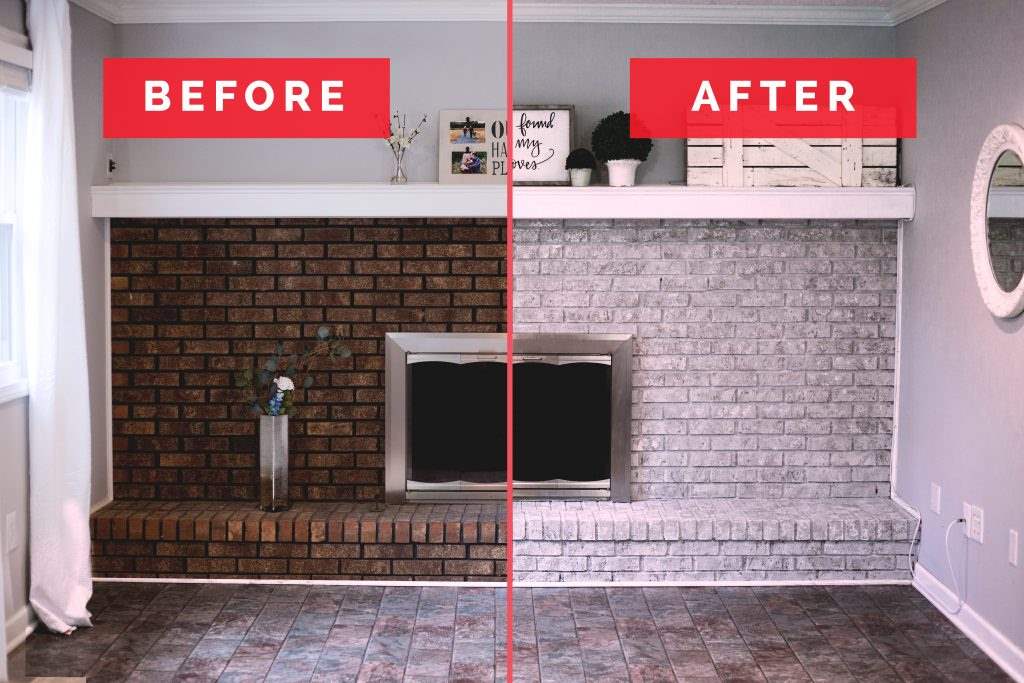
Result: Fireplace glowed. Home value up 5%. Story from local contractor.
Grand Rapids family used VanDerKolk Painting. Gel stripper restored 1920s brick.
Related:
The Most Relevant Questions To Ask When Buying Insulated Glazing
Unique Ways to Enhance Home Roof Decor with Soccer Resistance Bands
Advanced Tips for Tough Paint
Multiple paint layers? Layer stripper applications.
Paint solvent for oil-based paint spots.
Stone veneer nearby? Protect it. Different material.
Interior and exterior brick differ. Indoor gentler methods.
Black paint hides soot. Remove fully.
Wall paint splatter? Same steps.
Safety Reminders
Personal protective equipment saves lives. Nitrile gloves, respirators must.
Chemical stripper burns skin. Rinse immediately.
Paint thinners flammable. No open flames near fireplace.
Aftercare for Brick Fireplaces
Inspect yearly. Clean with soft brush.
Avoid painting again unless fire-resistant paint.
Painting masonry needs breathable types.
Exterior paint fails on brick. Use mineral instead.
Benefits of Natural Brick
Warmer home feel. Better heat reflection. Easier maintenance.
Brick fireplaces last generations painted free.
Troubleshooting Issues
Paint bubbles after? Incomplete removal. Restrip.
Residue lingers? Trisodium phosphate scrub.
Brick etches? Muriatic acid overuse. Polish lightly.
Eco-Friendly Alternatives
Vinegar steam. Soften latex paint.
Sand blasting. Pros only. Dust everywhere.
Regional Contractor Insights
Mount Prospect General Contractors see Chicago winters crack painted brick.
West Virginia hills hide old lead homes.
Tampa humidity demands breathable surfaces.
Final Touches
Add mantle decor. Light fireplace safely.
Enjoy rustic vibe.
You transformed your space. Brick shines. Follow these steps. Start small. Build confidence.
Ready to restore your brick fireplace? Test for lead today. Gather tools. Dive in safely.
FAQs
What is the safest way to remove paint from brick fireplace?
Use gel strippers with full personal protective equipment. Test small areas first. Avoid heat if lead suspected.
Can I use a pressure washer on interior brick fireplaces?
No. Water damages interiors. Stick to chemical stripper or manual scraping.
How do I know if my paint contains lead?
Buy a lead paint test kit. Swab and check color change. EPA-approved kits work best.
Are there non-chemical methods to strip paint from brick?
Yes. Heat guns, wire brush scrubbing, or dry ice blasting by pros.
What cleans residue after paint removal from brick?
Trisodium phosphate solution. Rinse well. Neutralize acids if used.
References
- EPA Lead Paint Guidelines: https://www.epa.gov/lead
- OSHA Chemical Stripper Safety: https://www.osha.gov/chemical-hazards