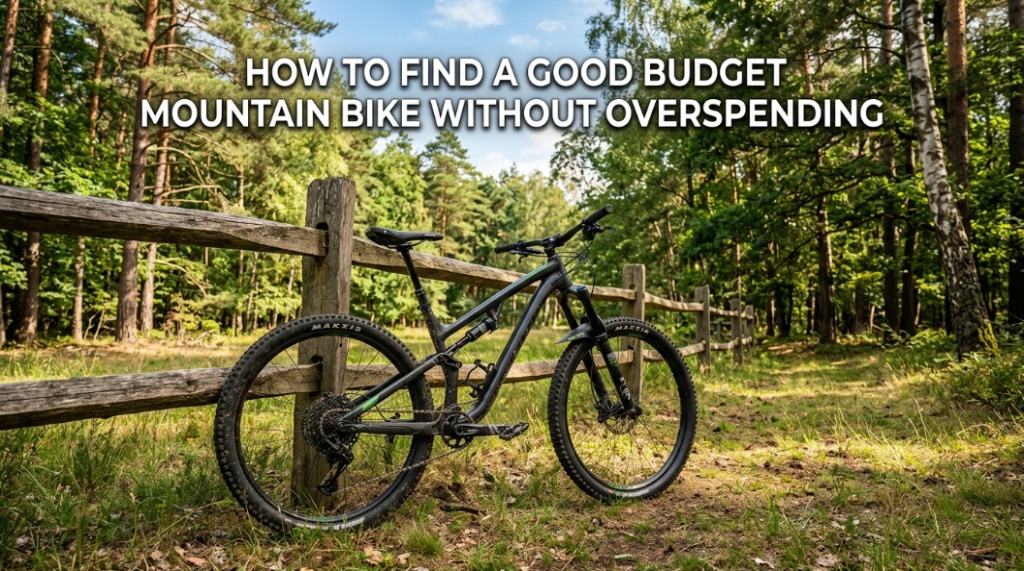
The smartest riders know this already: an affordable MTB that fits your terrain and body properly will outperform an expensive bike that doesn’t. Most beginners overspend on flashy components they never use, then struggle with poor comfort, weak braking, or the wrong frame size on the trail.
What Is a Good Budget Mountain Bike?
A good budget mountain bike is a reliable, trail-capable bicycle that balances durability, comfort, braking performance, and frame quality without unnecessary premium features. The best cheap trail bike is not the cheapest model available—it’s the one that delivers safe handling, dependable parts, and long-term value.
Mountain biking has become more accessible over the last decade. Brands now offer entry-level hardtail MTBs with quality aluminum frames, hydraulic disc brakes, and modern geometry at lower prices than ever before. But the market is crowded with low-quality bikes that look attractive online while cutting corners on safety and performance.
If you buy the wrong bike, you may end up replacing tires, brakes, suspension forks, or drivetrains within months. That often costs more than buying a better-value bike from the start.
This guide explains exactly how to choose a cheap trail bike without wasting money. You’ll learn which features matter, which upgrades are marketing tricks, how much you should realistically spend, and how to avoid common mistakes first-time buyers make.
How Much Should You Spend on an Affordable MTB?
A realistic budget for a quality affordable MTB usually falls between $500 and $1,200. Below that range, many bikes sacrifice safety, durability, and ride quality.
The ideal budget depends on how you plan to ride:
| Riding Type | Recommended Budget | Best Bike Type |
|---|---|---|
| Casual trails & parks | $500–$700 | Hardtail MTB |
| Weekend trail riding | $700–$1,000 | Hardtail with hydraulic brakes |
| Technical trail riding | $1,000–$1,500 | Higher-end hardtail |
| Aggressive downhill riding | $2,000+ | Full-suspension MTB |
Many beginners assume full-suspension bikes are automatically better. In reality, most cheap full-suspension MTBs under $1,000 use poor-quality rear shocks and heavy frames.
A solid hardtail from brands like Trek, Giant, Cannondale, Specialized, or Marin usually offers better reliability at lower prices.
Why Are Hardtail Bikes Better for Budget Buyers?
Hardtail mountain bikes are better for budget buyers because more of your money goes into quality components instead of rear suspension systems.
A hardtail has front suspension only. That simpler design reduces maintenance costs, lowers weight, and improves pedaling efficiency.
For beginners and recreational riders, hardtails offer several advantages:
- Lower overall price
- Fewer mechanical problems
- Better climbing efficiency
- Lighter frame weight
- Easier maintenance
- Longer component lifespan
Many professional riders still train on hardtails because they build stronger bike-handling skills.
A cheap trail bike with a quality hardtail frame often rides smoother and lasts longer than a low-end full-suspension model filled with weak components.
Which Features Matter Most in a Cheap Trail Bike?
The most important features in a cheap trail bike are frame quality, brakes, wheel size, drivetrain reliability, and geometry.
Many brands advertise suspension travel or gear count while ignoring the parts that actually affect ride safety and comfort.
Why Is Frame Quality So Important?
The frame is the foundation of the bike. A strong aluminum frame can last for years, even if you upgrade other parts later.
Look for:
- Aluminum alloy construction
- Internal cable routing
- Modern trail geometry
- Reliable brand warranty
Avoid heavy steel frames unless you specifically want a retro-style MTB.
Should You Choose Hydraulic or Mechanical Disc Brakes?
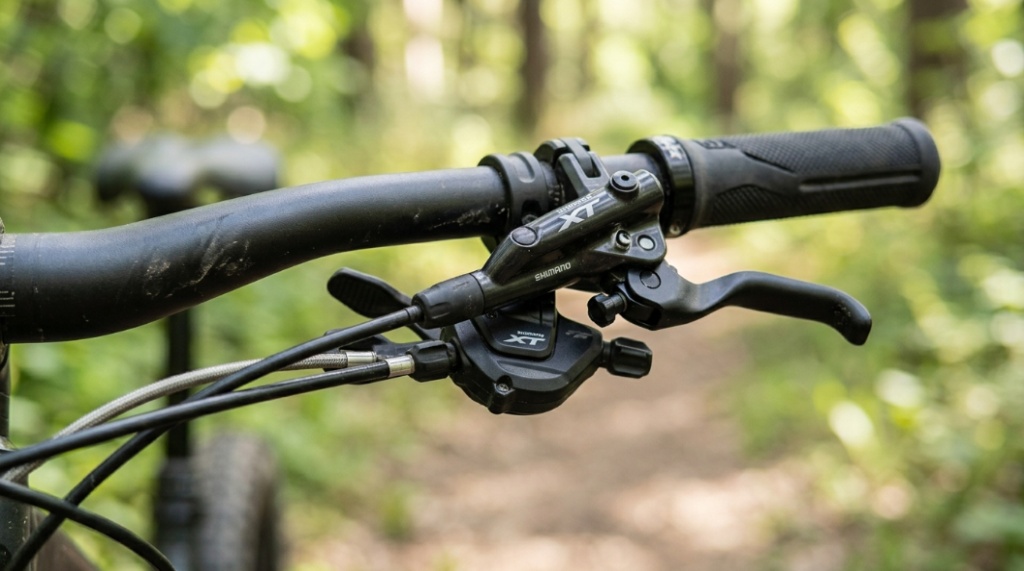
Hydraulic disc brakes are significantly better for trail riding because they provide stronger stopping power and better control.
Mechanical disc brakes are cheaper but often require more maintenance and feel less responsive on steep descents.
If your budget allows, prioritize hydraulic brakes over extra gears or flashy suspension.
What Wheel Size Is Best?
Most affordable MTB models now use either 27.5-inch or 29-inch wheels.
- 27.5-inch wheels: Better maneuverability and quicker handling
- 29-inch wheels: Better rollover ability and smoother trail performance
Taller riders often prefer 29ers because they maintain momentum better over rocks and roots.
What Mistakes Should You Avoid When Buying a Budget MTB?
The biggest mistake is buying based on appearance instead of performance and reliability.
Many low-cost bikes look aggressive online but use weak drivetrains, poor suspension forks, and unsafe brakes.
Why Are Department Store Mountain Bikes Risky?
Department store bikes from big-box retailers often use low-grade components designed for casual pavement riding rather than real trail use.
Common issues include:
- Heavy frames
- Poor shifting performance
- Weak wheel construction
- Low-quality suspension forks
- Unsafe braking on steep terrain
These bikes may work temporarily for neighborhood rides, but aggressive trail riding exposes their weaknesses quickly.
Should You Avoid Cheap Full-Suspension Bikes?
Yes, in most cases. Full-suspension MTBs under $1,000 often compromise heavily on frame strength and suspension quality.
A budget hardtail usually delivers better real-world performance than a cheap full-suspension bike with poor rear shock design.
Is Buying the Wrong Size a Common Problem?
Absolutely. Even the best affordable MTB will feel uncomfortable and unstable if the frame size is incorrect.
Most manufacturers provide size charts based on rider height. Test riding whenever possible is the safest approach.
Should You Buy a New or Used Mountain Bike?
A used mountain bike can provide exceptional value if the frame and components remain in good condition.
Many experienced riders upgrade frequently, creating opportunities to buy lightly used bikes at major discounts.
What Should You Check on a Used MTB?
Inspect these areas carefully before purchasing:
- Frame cracks or dents
- Brake responsiveness
- Wheel alignment
- Chain wear
- Fork condition
- Gear shifting performance
- Bottom bracket noise
If possible, ask for maintenance records.
Replacing worn drivetrain components can become expensive quickly.
When Is Buying New Better?
Buying new is often safer for beginners because you receive:
- Manufacturer warranty
- Professional bike setup
- Modern components
- Lower repair risk
- Financing options at some retailers
Bike shops also help with sizing and post-purchase adjustments.
Which Brands Make Reliable Affordable MTB Bikes?
Several major bike manufacturers now produce dependable entry-level MTBs with modern geometry and trail-ready components.
Some of the most trusted options include:
| Brand | Known For | Ideal Buyer |
|---|---|---|
| Trek | Reliable beginner hardtails | First-time riders |
| Giant | Strong value pricing | Budget-conscious riders |
| Specialized | Comfort and geometry | Trail enthusiasts |
| Marin | Aggressive trail design | Adventure riders |
| Cannondale | Lightweight frames | Fitness and trail riders |
| Co-op Cycles | Good entry-level value | Casual riders |
Direct-to-consumer brands like Canyon and Polygon also offer competitive pricing because they eliminate dealership markups.
What Components Matter Most for Trail Performance?
The drivetrain, tires, brakes, and suspension fork have the biggest impact on trail performance.
Why Does the Drivetrain Matter?
The drivetrain controls gear shifting efficiency and climbing ability.
Modern 1x drivetrains are increasingly popular because they:
- Simplify shifting
- Reduce maintenance
- Lower chain drop risk
- Improve trail reliability
Shimano and SRAM remain the dominant drivetrain manufacturers in the MTB industry.
How Important Are Tires?
Tires dramatically affect traction, speed, and comfort.
Wide trail tires with aggressive tread patterns improve grip on dirt, mud, and loose gravel.
Many budget bikes include generic tires that riders eventually upgrade for better performance.
Do You Need Expensive Suspension?
No. Beginners rarely need advanced air suspension systems.
A reliable coil fork with decent travel is enough for most recreational trail riding.
Focus on durability and control instead of chasing premium suspension features immediately.
Can You Upgrade a Cheap Trail Bike Later?
Yes, many affordable MTB models can be upgraded gradually over time.
This is one reason experienced riders prioritize frame quality first.
Common upgrades include:
- Better tires
- Hydraulic brakes
- Lighter wheelsets
- Dropper seatposts
- Improved pedals
- Higher-quality forks
A dropper post is especially useful for trail riding because it allows quick saddle-height adjustments during descents.
Instead of overspending initially, many riders build their ideal setup progressively.
What Accessories Should You Budget For?
You should reserve part of your budget for safety gear and essential accessories.
New riders often spend their entire budget on the bike itself and forget critical equipment.
Must-Have MTB Accessories
- Helmet
- Gloves
- Mini pump
- Spare tube
- Multi-tool
- Water bottle or hydration pack
- Bike lights
- Chain lubricant
A quality helmet is non-negotiable. According to cycling safety studies, helmets significantly reduce the risk of serious head injuries during crashes.
Where Can You Find the Best Deals on Affordable MTB Bikes?
The best deals often appear during seasonal sales, model-year clearances, and local bike shop promotions.
When Is the Best Time to Buy?
Late fall and winter typically offer the biggest discounts because retailers clear older inventory before new models arrive.
Black Friday sales and end-of-season promotions can save hundreds of dollars.
Should You Buy Online or In-Store?
Buying online can reduce costs, but local bike shops provide valuable services like:
- Professional assembly
- Fit adjustments
- Warranty support
- Free tune-ups
- Expert recommendations
For beginners, in-store support often outweighs slightly lower online prices.
How Can Beginners Choose the Right Affordable MTB?
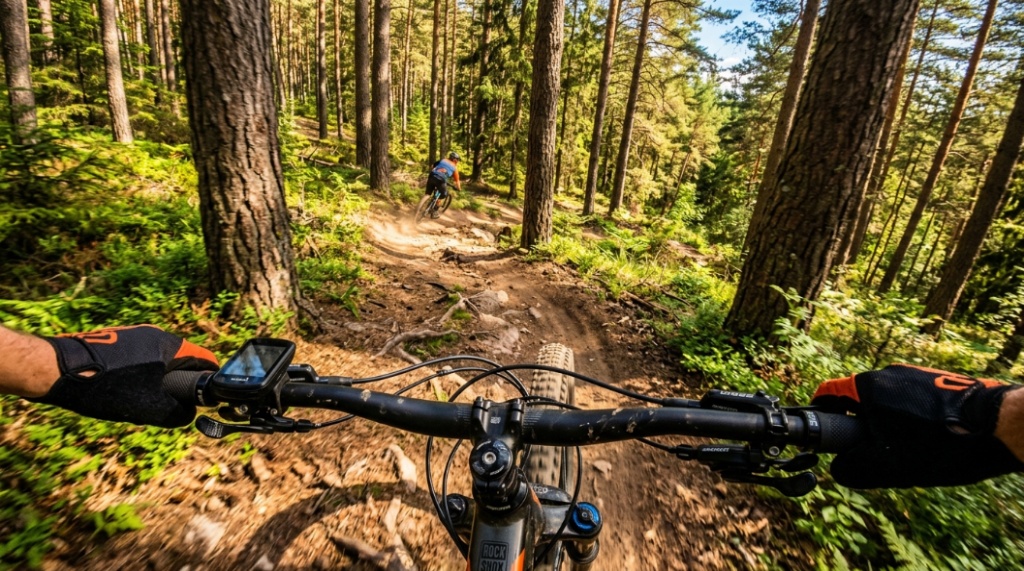
The best beginner MTB is comfortable, reliable, easy to maintain, and matched to your riding style.
Before buying, ask yourself:
- Will you ride mostly dirt trails or paved roads?
- Do you plan to ride aggressively?
- How often will you ride?
- Will you upgrade components later?
- What terrain exists in your local area?
Most riders do not need professional-grade components initially.
A well-designed cheap trail bike with modern geometry and dependable brakes will handle most recreational trails confidently.
Conclusion: How Do You Avoid Overspending on a Mountain Bike?
The best way to avoid overspending is to focus on value instead of marketing hype. A quality affordable MTB prioritizes frame durability, braking performance, fit, and trail reliability over flashy suspension or unnecessary upgrades.
Most beginners are better served by a modern hardtail from a trusted brand than a low-cost full-suspension bike loaded with compromises. Spending wisely upfront also reduces repair costs later.
Take time to compare models, test ride when possible, and think realistically about your riding goals. The right cheap trail bike should feel stable, comfortable, and confidence-inspiring—not just impressive in product photos.
If you choose carefully, your first mountain bike can last for years while helping you build skills, fitness, and trail experience without draining your budget.
Ready to hit the trails? Start by narrowing your budget, identifying your terrain, and focusing on reliable components first. The smartest MTB purchase is rarely the most expensive one.
Frequently Asked Questions
What is the best affordable MTB for beginners?
The best affordable MTB for beginners is usually a hardtail with hydraulic disc brakes, an aluminum frame, and reliable entry-level components from brands like Trek, Giant, or Marin.
Is a cheap trail bike good enough for real trails?
Yes, a quality cheap trail bike can handle beginner and intermediate trails effectively if it uses durable components and proper geometry. Avoid ultra-cheap department store bikes for aggressive riding.
How long does a budget mountain bike last?
A well-maintained budget mountain bike can last 5–10 years or longer. Regular maintenance, proper storage, and component upgrades extend lifespan significantly.
Should I buy a 27.5 or 29-inch MTB?
Choose 27.5-inch wheels for agility and easier handling. Choose 29-inch wheels for smoother rollover performance and better momentum on rough terrain.
Are hydraulic brakes worth it on an affordable MTB?
Yes. Hydraulic disc brakes improve stopping power, control, and rider confidence, especially during steep descents or wet trail conditions.
Can I upgrade my cheap trail bike later?
Yes. Many affordable MTB models support upgrades like better tires, brakes, drivetrains, and suspension forks over time.
What should I avoid when buying a mountain bike?
Avoid extremely cheap full-suspension bikes, poor-quality department store MTBs, incorrect frame sizing, and flashy features that compromise overall durability.
📌 Related Reads
Discover: Lightweight Fins That Feel Super Responsive
Explore: How to Pick Golf Putters Used by Pros for Better Accuracy