
Most golfers spend hundreds on drivers and irons while playing a golf ball that quietly steals 15–20 yards off the tee and kills greenside spin around the pin. Choosing the right long distance golf balls is one of the fastest ways to improve total performance without changing your swing. The right ball can increase carry distance, optimize launch, improve feel, and generate the greenside spin needed to stop approach shots faster on the green.
What Does the Right Golf Ball Actually Do for Distance and Spin?
The right golf ball helps maximize ball speed off the driver while maintaining enough spin control around the greens for better scoring. A properly matched golf ball improves launch conditions, energy transfer, short-game feel, and stopping power.
Golf balls are engineered differently depending on compression, core design, cover material, and dimple pattern. Some are optimized for speed and low driver spin, while others prioritize wedge control and short-game precision. Premium urethane-covered balls often deliver more greenside spin, while ionomer-covered balls usually focus on durability and distance.
According to testing from organizations like Golf Digest and MyGolfSpy, golfers can see measurable differences in launch angle, carry distance, and spin rates simply by changing golf ball models. Even amateur players with slower swing speeds can benefit from a better-fitting golf ball.
Why Do Some Golf Balls Go Farther Than Others?
Golf balls travel farther because of lower driver spin, faster ball speed, aerodynamic efficiency, and optimized compression. Distance-focused balls are specifically designed to reduce energy loss during impact.
Several factors influence distance performance:
- Compression: Lower-compression balls compress more easily for slower swing speeds.
- Core technology: Larger, softer cores improve energy transfer.
- Dimple pattern: Aerodynamics reduce drag and improve lift.
- Spin profile: Lower driver spin reduces ballooning shots.
- Cover material: Firmer covers generally increase speed.
Players with swing speeds under 95 mph often benefit from low-compression distance balls. Faster swingers may gain more from multi-layer tour balls that balance speed and spin.
Can low-spin golf balls still create greenside control?
Yes. Modern multi-layer golf balls are designed to reduce spin with the driver while increasing spin with wedges and short irons.
This separation of spin performance is why premium tour balls are so effective. The mantle and cover layers react differently depending on club speed and loft.
How Does Greenside Spin Help Lower Scores?
Greenside spin helps golf shots stop faster after landing, giving players more control around the hole. Higher spin rates improve accuracy on chips, pitches, and approach shots.
Many amateur golfers focus only on distance, but scoring often improves more from short-game control. A spinning wedge shot can land softly and reduce rollout, especially on fast greens.
Benefits of greenside spin include:
- Better stopping power on approach shots
- More consistent chip control
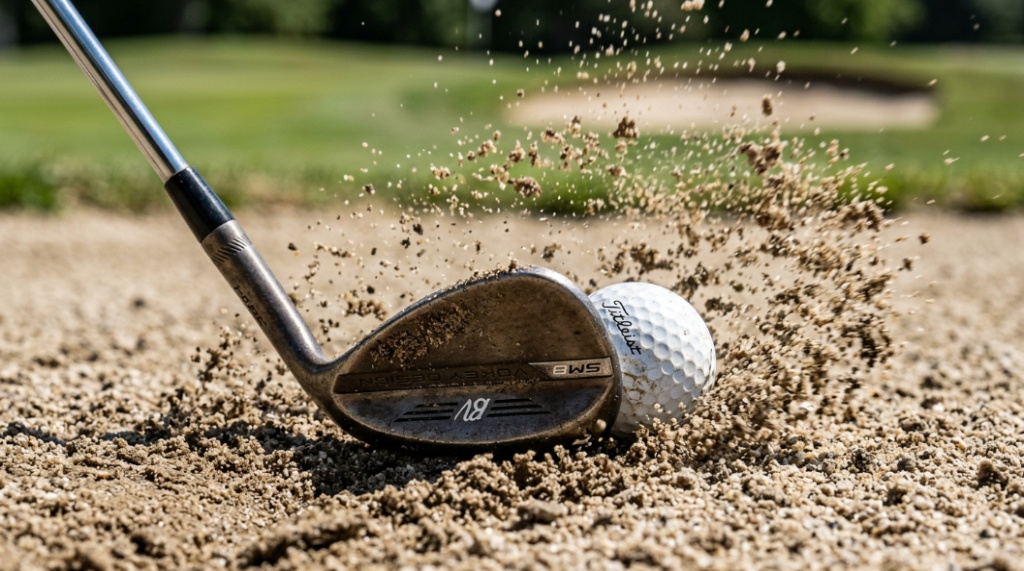
- Improved bunker performance
- Greater confidence attacking pins
- Reduced three-putt situations from closer approaches
Tour professionals rely heavily on urethane-covered golf balls because they generate significantly more friction at impact with wedges.
What creates more spin around the greens?
Soft urethane covers, clean grooves, higher lofted clubs, and proper strike quality all increase spin generation.
Weather conditions also matter. Dry conditions generally produce more spin than wet grass or rough lies.
Which Golf Ball Construction Is Best for Distance and Spin?
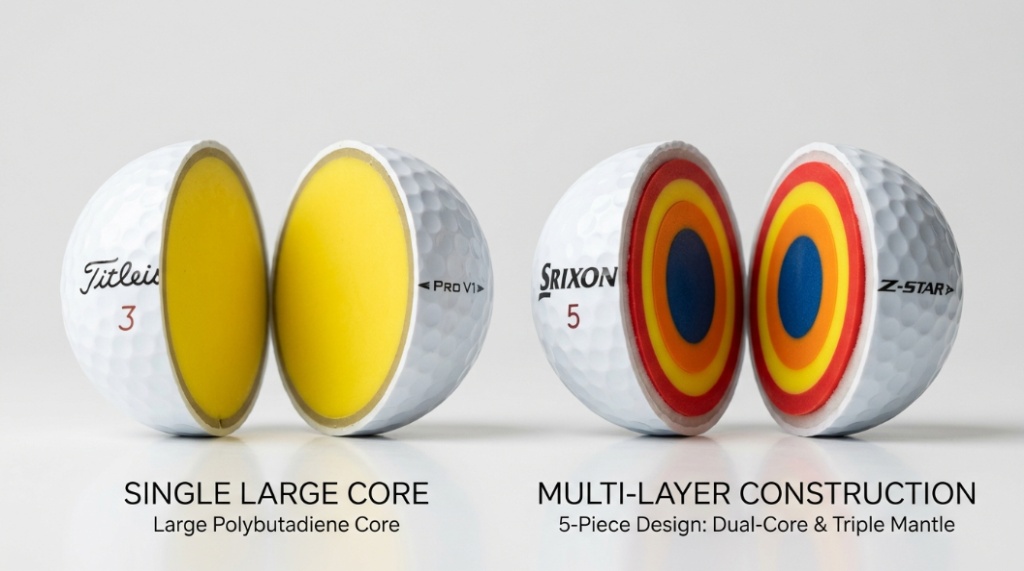
Multi-layer golf balls with a soft urethane cover typically offer the best balance between long distance and greenside spin. The internal layers help separate driver and wedge performance.
| Golf Ball Type | Best For | Distance | Greenside Spin | Feel |
|---|---|---|---|---|
| 2-Piece Distance Ball | Beginners & high handicappers | Excellent | Low | Firm |
| 3-Piece Hybrid Ball | Mid handicappers | Very Good | Moderate | Balanced |
| 4/5-Piece Tour Ball | Advanced players | Excellent | High | Soft |
Golf ball manufacturers like Titleist, Callaway, TaylorMade, Bridgestone, and Srixon use advanced layering systems to create different launch and spin profiles.
What is the difference between urethane and ionomer covers?
Urethane covers provide softer feel and more spin, while ionomer covers prioritize durability and distance.
Urethane is commonly used in tour-level golf balls because it grips club grooves better during short-game shots.
Which Long Distance Golf Balls Also Offer Good Greenside Spin?
Several modern golf balls combine strong distance performance with impressive greenside control. These balls are popular among both amateurs and professionals.
Best Options for Balanced Performance
- Titleist Pro V1: Excellent all-around performance with soft feel and strong wedge spin.
- TaylorMade TP5: High launch, low driver spin, exceptional greenside control.
- Callaway Chrome Tour: Fast ball speed with reliable short-game spin.
- Srixon Z-Star: Soft compression with excellent iron and wedge spin.
- Bridgestone Tour B RX: Great for moderate swing speeds seeking tour performance.
Independent testing frequently shows that premium tour balls outperform basic distance balls in approach-shot consistency and spin retention.
Are expensive golf balls worth it?
For players focused on scoring, premium golf balls often provide measurable benefits in control, consistency, and feel.
However, beginners who lose multiple balls per round may benefit more from affordable mid-range models until consistency improves.
How Do Swing Speed and Compression Affect Performance?
Swing speed determines how effectively a golfer compresses the ball at impact. Matching compression to swing speed helps maximize both distance and feel.
Compression ratings generally work like this:
- Low Compression (40–70): Best for slower swing speeds
- Mid Compression (70–90): Balanced performance
- High Compression (90+): Better for faster swing speeds
Players with slower swing speeds often struggle to compress firm golf balls efficiently, resulting in lower ball speed and shorter carry distance.
What happens if compression is too high?
A golf ball that is too firm may feel harsh and fail to maximize energy transfer for slower swingers.
This often causes reduced carry distance and inconsistent feel around the greens.
How Can Golfers Increase Driver Distance Without Losing Spin Control?
Golfers can increase driver distance by lowering long-game spin while preserving wedge spin through proper ball fitting and launch optimization.
The key is controlled spin separation. Too much driver spin reduces roll and increases ballooning. Too little greenside spin reduces stopping power.
Ways to optimize both include:
- Choosing a multi-layer ball
- Matching compression to swing speed
- Using clean wedge grooves
- Improving angle of attack
- Testing different launch conditions
Launch monitor technology like TrackMan and GCQuad has made ball fitting more accurate than ever. Many golfers discover that the wrong golf ball costs more strokes than expected.
Should amateur golfers get fitted for a golf ball?
Yes. Ball fitting helps identify the best launch, spin, and feel combination for a golfer’s swing characteristics.
Even recreational players benefit from improved consistency and distance control.
Does Weather Affect Distance and Greenside Spin?
Temperature, humidity, wind, and course conditions significantly impact golf ball performance. Cold weather reduces compression efficiency and lowers distance.
In colder temperatures, golf balls become firmer and lose responsiveness. Wet conditions also reduce greenside friction, making spin harder to generate.
How much distance is lost in cold weather?
Golfers can lose approximately 2 yards of carry distance for every 10-degree temperature drop.
This is why many players switch to softer-compression balls during colder months.
What Mistakes Prevent Golfers From Maximizing Distance and Spin?
Many golfers use the wrong ball type, ignore compression matching, or focus only on distance without considering scoring performance.
Common mistakes include:
- Using overly firm balls with slow swing speeds
- Choosing cheap distance balls with no short-game control
- Ignoring spin performance on wedges
- Playing inconsistent golf ball models
- Using damaged or scuffed golf balls
Consistency matters. Switching golf ball models frequently changes feel, launch, and spin patterns, making distance control harder.
Should golfers use the same ball every round?
Yes. Consistent golf ball usage improves feel, distance calibration, and shot predictability.
Professional golfers rarely switch models because consistency is critical for scoring.
How Can Beginners Choose the Best Golf Ball?
Beginners should prioritize forgiveness, moderate compression, durability, and balanced spin performance. The best ball depends on swing speed and playing goals.
A simple selection process works well:
- Identify average swing speed
- Determine if distance or control matters more
- Choose a compression range
- Test 2–3 models consistently
- Evaluate feel and short-game performance
Beginners often benefit from 3-piece balls that offer moderate greenside spin without the cost of premium tour balls.
What is the best golf ball for average golfers?
Balanced mid-compression golf balls usually work best for average players because they combine forgiveness, distance, and usable spin control.
Popular examples include the Callaway ERC Soft, Titleist Tour Soft, and Srixon Q-Star Tour.
Why Is Golf Ball Testing Important?
Testing golf balls helps golfers identify real-world performance differences instead of relying on marketing claims.
Many golfers discover surprising results during testing sessions. A ball marketed for distance may actually produce shorter carry due to poor launch conditions for a specific swing type.
Effective testing should include:
- Driver carry distance
- Iron launch and stopping power
- Wedge spin
- Putting feel
- Consistency across multiple shots
Ideally, golfers should test balls under real course conditions rather than relying solely on simulator numbers.
How many rounds should golfers test a ball?
At least 2–3 full rounds provide enough data to evaluate consistency, feel, and scoring impact.
Short-game performance usually becomes more noticeable over multiple rounds.
Conclusion
The right golf ball can dramatically improve both distance and scoring performance. Golfers who choose optimized long distance golf balls with reliable greenside spin often gain better launch conditions, more consistent carry, improved wedge control, and lower scores.
Distance alone does not create better golf. The ability to stop approach shots near the pin and control short-game spin matters just as much. Modern multi-layer golf balls now make it possible to achieve both goals without compromise.
Instead of choosing golf balls based only on brand recognition or price, focus on performance fit. Test compression levels, evaluate short-game feel, and compare spin consistency. Small equipment changes can create meaningful scoring improvements.
If you want longer drives and more precise control around the greens, start with the golf ball. It is the only piece of equipment used on every shot.
FAQ: Long Distance Golf Balls and Greenside Spin
What are the best long distance golf balls for amateur golfers?
The best options usually include mid-compression multi-layer balls that balance forgiveness, speed, and short-game control. Popular choices include the Titleist Tour Soft, Srixon Q-Star Tour, and Callaway ERC Soft.
Do softer golf balls spin more around the greens?
Yes. Softer urethane-covered golf balls typically generate more greenside spin because they create more friction with wedge grooves during impact.
Can high-spin golf balls reduce driver distance?
Excessive driver spin can reduce total distance by causing shots to climb too high and lose rollout. Modern tour balls reduce driver spin while maintaining wedge spin.
How often should golfers replace golf balls?
Golf balls should be replaced when scuffed, cracked, or damaged. Surface imperfections reduce aerodynamic efficiency and spin consistency.
Do professional golfers use different balls for different weather?
Some professionals adjust compression levels depending on temperature and course conditions, especially during colder weather events.
Is golf ball fitting really necessary?
Yes. Golf ball fitting helps optimize launch, spin, feel, and distance based on individual swing characteristics and playing goals.
What golf ball creates the most greenside spin?
Premium urethane-covered tour golf balls like the Titleist Pro V1, TaylorMade TP5, and Srixon Z-Star are known for producing high levels of greenside spin.
📌 Related Reads
Discover: How to Find a Good Budget Mountain Bike Without Overspending