
Badminton is one of the fastest racket sports around. It requires lightning-quick reflexes, strategic thinking, and solid technique to hit those birdies accurately and with power. Mastering how to hit a badminton birdie takes time and practice, but following the proper step-by-step process can help you pick up the right skills much faster.
I’ll walk you through the keys to hitting a badminton birdie correctly in this guide. We’ll cover everything from ready position to footwork to arm and wrist motion. With the proper technique, you’ll be smashing and dropping those birdies in no time!
Getting Into the Ready Position
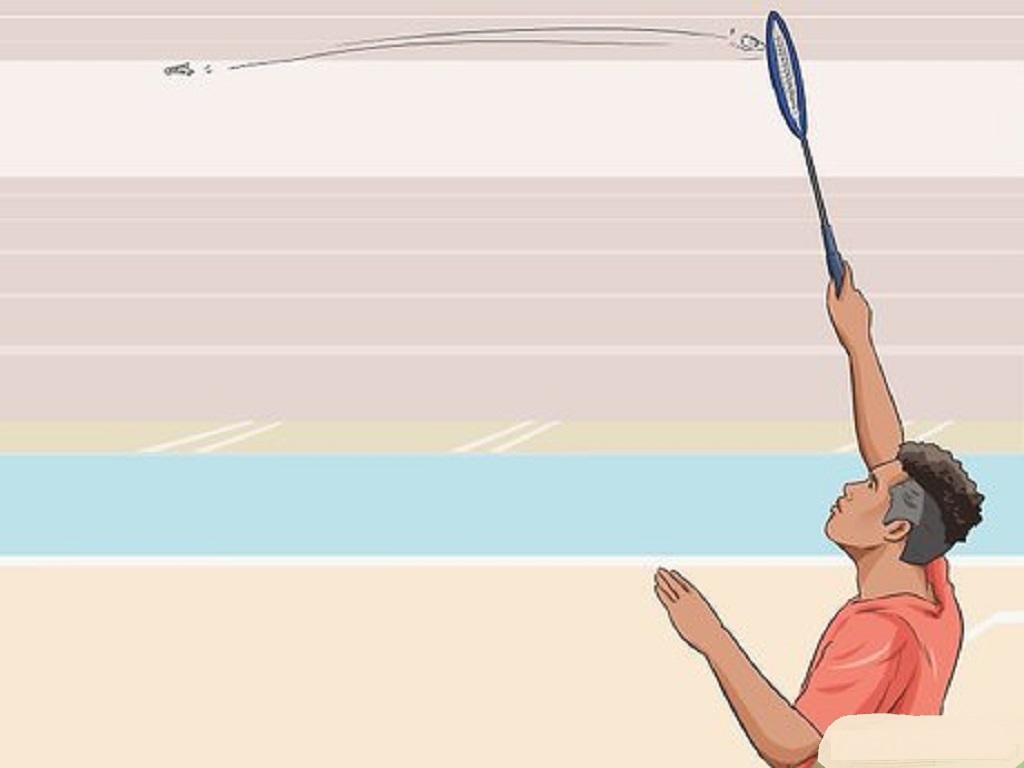
The ready position in badminton prepares you to react quickly to the birdie and move effectively around the court. Here are the critical elements of proper ready badminton birdie hitting technique:
Knees Slightly Bent
Keep your knees relaxed and slightly flexed. This allows for quick changes of direction. Stiff, locked knees restrict movement.
Feet Shoulder-Width Apart
Stand with feet about hip to shoulder-width apart for balance. Having feet too close together or too far apart makes you prone to getting caught off guard.
Weight Evenly Distributed
Distribute weight evenly between both feet. Don’t lean or favor one side. Even weight across your feet keeps you balanced.
Racket Up
Hold the racket up in front of your body. This keeps it ready to swing at the birdie. You are having it low, which delays your swing.
Eyes Focused Forward
Keep your eyes forward, watch the other player(s) or look for the birdie. Don’t let your focus wander. Keep vision trained ahead.
Starting each point in the proper ready position will have you poised and prepared to react quickly when the badminton birdie comes over the net. This prevents fumbling or hesitating on your shots.
Mastering Footwork
Fast, nimble footwork is essential for getting into position and setting up your shots. Here are some essential footwork tips:
Light On Your Feet
Move lightly on the balls of your feet. This allows quick starts, stops, lunges, and side shuffles to get to the birdie.
Take Small, Quick Steps
Use short, choppy steps to move in all directions. Long strides throw off timing and reduce agility.
Push Off With Your Whole Foot
Push off aggressively with your whole foot, not just the toes, to initiate movement. Using your entire foot increases power.
Keep Steps Quiet
Creep, don’t stomp around. Stomping telegraphs your moves to your opponent and throws off timing.
Maintain Balance
Keep knees bent and body low to maintain balance through direction changes. Don’t get upright.
Turn Sideways
Turn sideways by pivoting as you move along the baseline to face the birdie. Don’t shuffle straight sideways.
Split Step
Do a little hop when changing direction to engage muscles and prime your movement.
Crisp, quick footwork sets up your body for efficient, powerful swings at the badminton birdie.
Forehand Grips & Placement
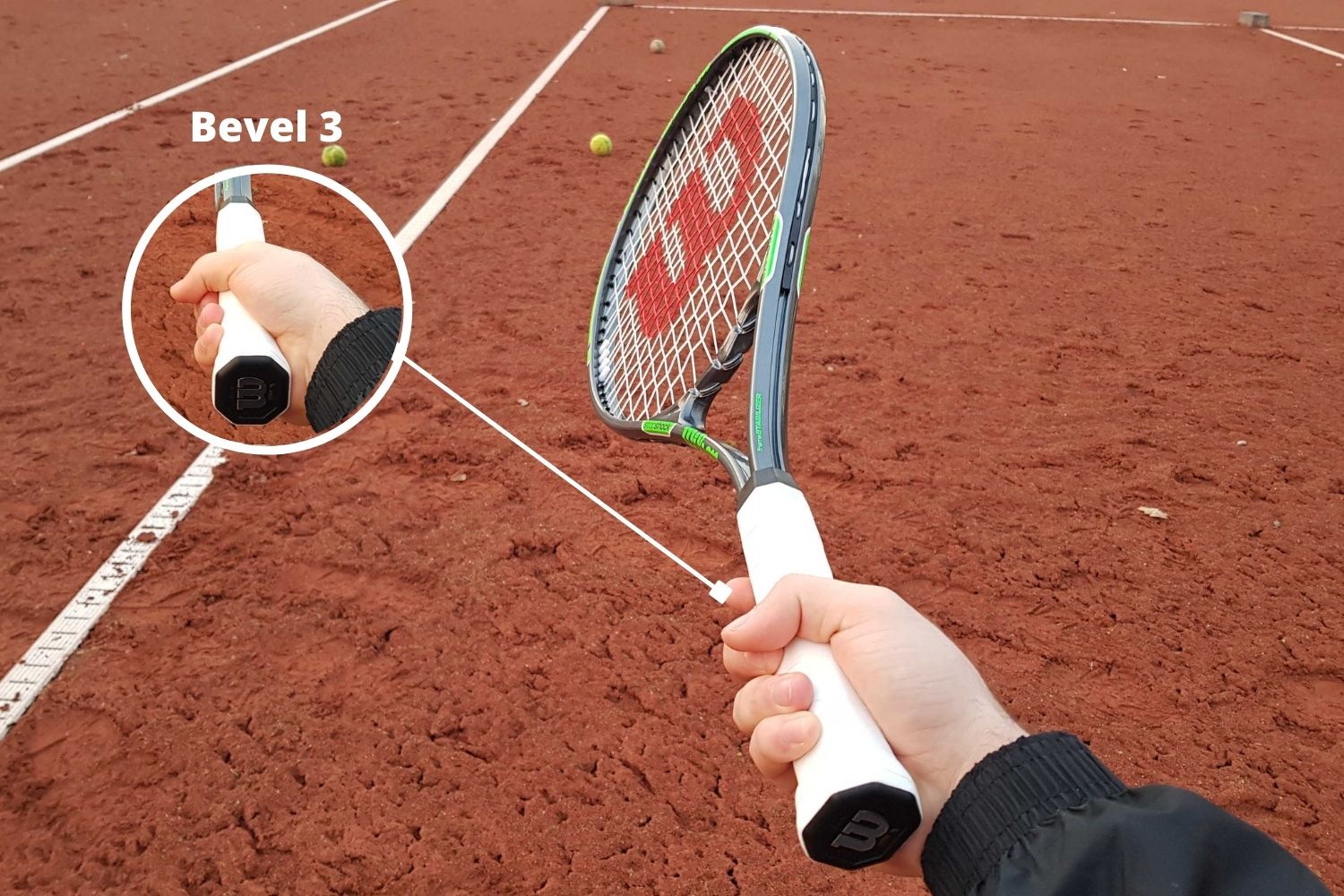
How you grip the racket on your forehands is critical for control and power. Proper hand placement also allows smoother strokes.
Shakehand Grip
Grip the handle with your dominant hand below your non-dominant hand above. Fingers wrap around so the “V” between your thumb and index finger sits on the flat side of the handle.
Choke Down
Choke down a few inches on the grip to have maximum control for swing speed and stability at contact. Don’t hold at the very end.
Non-Dominant Hand Loose
Keep a light, relaxed hold with the non-dominant hand to allow the dominant hand to swing through smoothly.
Arm Extended
Extend your dominant arm fully on the swing. A bent elbow reduces racquet head speed and power.
Wrist Snap
Snap your wrist aggressively on contact with the birdie. Wrist snap creates extra pace and lift.
Contact Above Waist
Make contact with the birdie above waist level. This allows you to swing upward through the shuttle for a controlled lift and angle.
Follow Through
Follow through and swing toward your target. This ensures maximum power transfer into the birdie.
With the proper grip and hand placement, you can control the angle, pace, and placement of forehand smashes and drops.
Backhand Technique & Footwork
Backhand shots require getting your body into the correct position and a smooth, coordinated swing:
Ready Sideways Stance
Get sideways with your shoulder aligned where you want to hit. Position yourself behind the shuttle.
Opposite Foot Forward
Put the opposite foot pointed forward to where you’re aiming. Keep it light on the ball of your foot.
Rotate Body & Hip
Rotate your body backward and pivot your hip to generate power from the ground up into the stroke.
Arm Across Body
Bring a racquet across your body at waist level with a long sweeping motion for solid contact.
Wrist Snap on Contact
Aggressively snap your wrist upon contact to create pace and angle the birdie.
Follow Through
Follow through the stroke toward your target. This ensures maximum energy transfer into the shuttle.
Return to Center
After stroking, return to the center position. This resets you for the next shot.
Smooth footwork and rotation into backhands allow effective weight transfer and racquet momentum through the stroke.
Executing Overhead Smashes
Jumping overhead smashes can be match winners. Here are some tips for executing them with power and precision:
Approach Quickly
As the shuttle drops, approach it fast to build momentum for your jump and swing. Being static reduces power.
Time Your Jump
Time your jump as the shuttle falls to make contact at the peak of your leap. Jumping too early or late results in weak contact.
Hit Slightly In Front
Make contact just slightly in front of your body. This allows a full swing and maximum racquet head speed through the shuttle.
Swing Fast & Compact
Use a short, fast, compact swing for control and bat speed. Big looping swings are slower and less accurate.
Extend Body Fully
Extend your hitting arm and fully rotate your shoulders and core into the swing. This generates racquet head speed.
Snap Your Wrist
Aggressively snap your wrist on contact to maximize power and smash the birdie steeply downwards.
Land Forward
Land forward toward your target. This maintains momentum through the swing for maximum pace and power.
Jumping overhead smashes takes timing and practice but can win you a lot of points when executed properly!
Dropping Shots Technique
Dropping shots softly over the net requires lighter touches and finesse:
Use Fingers, Not Wrist
Guide the racquet with your fingers rather than your wrist. Fingers provide softness and control.
Relax Your Grip
Loosen up on the grip pressure. A tight grip restricts delicate racquet work and touch.
Use an Open Stance
Face the net squarely for visibility and space to stroke straight forward. Don’t be sideways.
Slice Underneath
Slice upward under the backside of the shuttle to lift it lightly. Don’t swing flat through it.
Graze the Birdie
Just graze the birdie to impart backspin and take pace off. Don’t dig into the shuttle.
Follow Through Forward
Follow through your swing toward the front court. This imparts precise placement.
Move Forward
Move forward toward the net as you make contact. This takes pace off the shuttle.
Dropping shots over the net with a light touch and proper finesse can set up accessible put-away opportunities.
Returning Smashes
When your opponent jumps up for big overhead smashes, defending them requires quick reaction time:
Get Under Quickly
As soon as you see them jump, get underneath the expected trajectory of the smash.
Lower Your Center
Bend your knees and get low to improve agility for the return.
Reduce the Attack Surface
Turn sideways with a racquet across your body to reduce the attackable strike zone.
Absorb the Force
Let the racquet recoil back gently on contact to absorb force. Don’t resist stiffly.
Slice Underneath
Slice under the birdie slightly to lift it. This takes place off their hard downward smash.
Focus on Control
Forget power. Focus on getting good, controlled contact to get the shuttle back in play.
Counter Quickly
Recover and counter quickly before they can get back into position. This takes time away from them.
Solid defensive technique on smash returns allows you to get the birdie back in play and reverse the pressure in your favor!
NetPlay Skills
Netplay requires quick hands and rapid reflexes:
React Fast
React when you see the shuttle come off your opponent’s racquet. The quicker you move, the more time you have to execute your shot.
Get Right On Top
Get as close to the net as regulations allow. This reduces the time and distance the shuttle needs to travel to your racquet.
Low Ready Position
Stay in a low, ready position on the balls of your feet. This allows quick lateral movement and lunges to either side.
Use a Forehand Grip
Use a forehand grip and keep the racquet in front of your body, prepared to strike. Switching grips wastes precious milliseconds.
Punch It
Punch volleys forcefully straight ahead. Don’t swing wildly. Quick snaps forward keep the shuttle low and hard to return.
Disguise Shots
Vary pace, height, and angles on volleys to keep your opponent off balance. Don’t be predictable.
Hit Through the Shuttle
Please make contact with the shuttle above net height and swing through it. This creates a sharp downward trajectory.
Stay on Your Toes
Never stay flat-footed. Continuously bounce lightly to optimize quick footwork and reactions.
Being light on your feet with fast reflexes and disguise is crucial for dominating net play.
Common Questions
1. Should you hit the birdie in front of you or to the side?
For most shots, it’s better to hit the birdie before you rather than reach out sideways. This allows better body balance, racquet control, and the ability to swing through the shuttle for power. The exception is at the net, where quick lateral wrist strokes may be needed to reach fast volleys.
2. Is badminton good exercise?
Yes, badminton is an excellent full-body workout! The constant movement, lunges, jumps, and quick reactions required work of the legs, core, arms, and cardiovascular system. A one-hour singles match can burn over 700 calories.
3. How do you hit a badminton smash?
To execute an overhead jump smash: Approach the falling shuttle quickly, jump as it drops below net level, contact it slightly at the peak of your jump with a fast, compact swing, and aggressively snap your wrist upon contact to spike the birdie steeply.
4. What tension should badminton string be?
A string tension between 24-28 lbs is ideal for most adult recreational play. Lower tensions increase power but reduce control. Higher tensions do the opposite. Competitive players often string in the 28-33 lb range for optimal control and touch.
5. How do you score points in badminton?
You score a point if you hit the shuttle into your opponent’s court so they can’t return it, your opponent hits a shot into the net or out of bounds, or your opponent commits a fault like improperly returning a serve. The first to 21 points wins a game.
Conclusion
Mastering these fundamental badminton birdie hitting techniques and tactics step-by-step will rapidly improve your badminton skills. Excellent footwork, grip, Badminton racket smooth racquet work, finesse shots, and explosive smashes are all critical. With enough quality practice integrating these keys, you can outmaneuver opponents and hit shots with precision, power, and control. Keep refining your technique, and enjoy watching your game rise to new heights!