

When college football enthusiasts discuss programs steeped in tradition and success, Florida State University (FSU) invariably emerges as a prominent contender. The Seminoles boast a storied history punctuated by national championships, iconic players, and memorable moments.
The Early Years and Rise to Prominence
FSU’s football program launched in 1947, initially competing as an independent team. The early years were characterized by modest success, but the seeds of future greatness were sown. The Seminoles joined the Dixie Conference in 1948, marking a significant step toward establishing their presence in the college football landscape.
The 1960s witnessed a gradual improvement under coach Bill Peterson, culminating in FSU’s first bowl game appearance in 1964. The program’s trajectory took a decisive turn in 1976 with the arrival of legendary coach Bobby Bowden. Bowden’s impact was immediate and profound, instilling a winning culture that propelled FSU to national prominence.
The Bowden Era (1976-2009)
Bobby Bowden’s tenure as FSU’s head coach is synonymous with the program’s golden age. His innovative offensive strategies and emphasis on recruiting top talent transformed the Seminoles into a perennial powerhouse.
The 1980s marked FSU’s ascent to national prominence. The Seminoles secured their first national championship in 1993, defeating Nebraska in the Orange Bowl. Bowden’s teams consistently ranked among the nation’s elite, producing a string of conference titles and bowl game victories.
FSU’s success extended into the 1990s, highlighted by another national championship in 1999. The Seminoles’ high-octane offense, led by quarterback Chris Weinke, captivated fans and cemented their status as a dominant force in college football.
Iconic Players and Memorable Moments
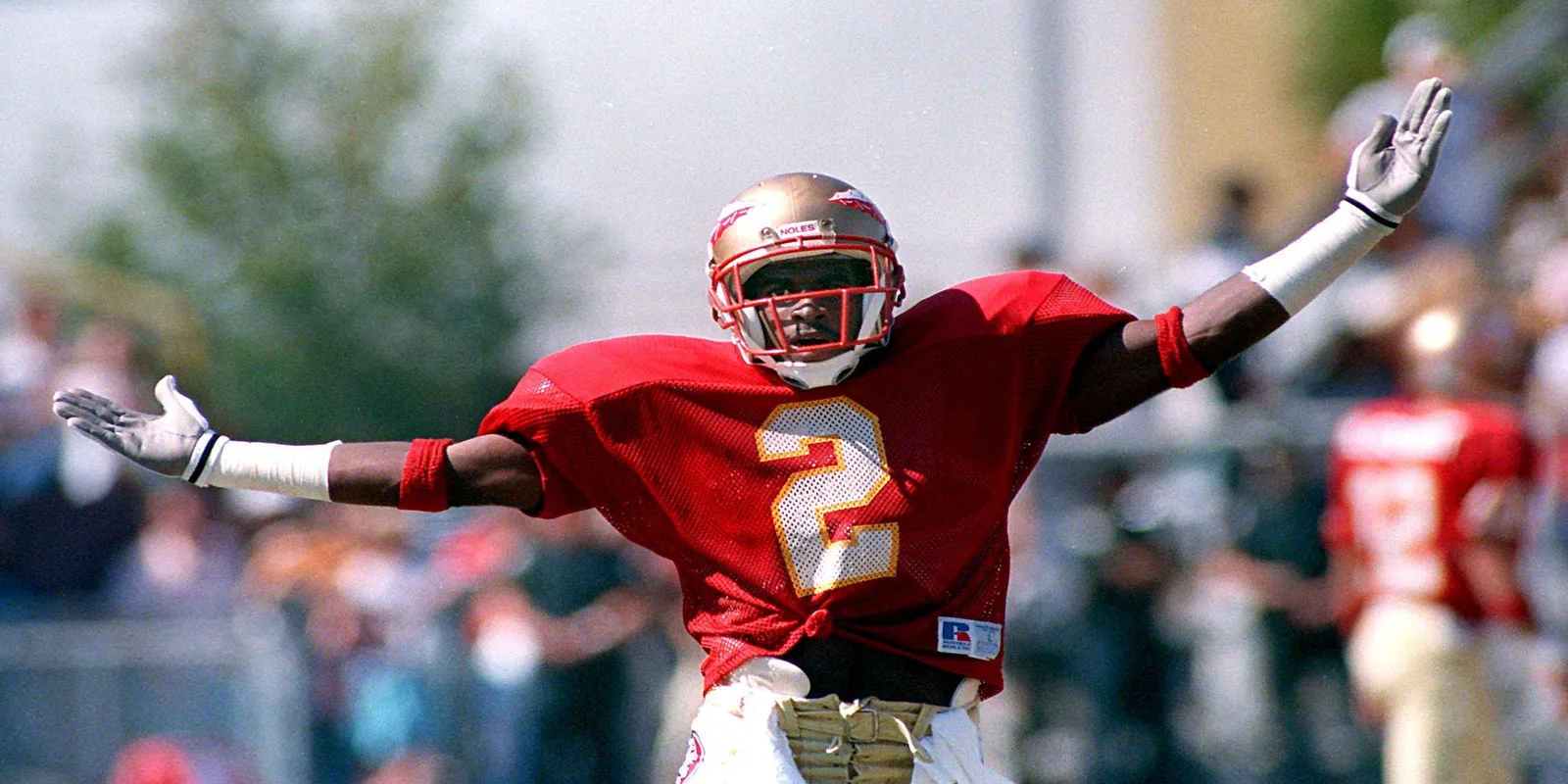
FSU’s rich history is intertwined with the exploits of numerous iconic players who left an indelible mark on the program. From Deion Sanders’ electrifying punt returns to Warrick Dunn’s inspiring journey, Seminole legends have etched their names in college football lore.
Memorable moments abound in FSU’s storied past. The “Puntrooskie” against Clemson in 1988, the “Wide Right” field goal attempts against Miami, and the thrilling comebacks against Florida are just a few examples of the drama and excitement that have defined Seminole football.
Recent Years and the Road Ahead
The post-Bowden era has been marked by a period of transition and rebuilding. The Seminoles experienced a dip in performance, but the program remains committed to reclaiming its position among the nation’s elite.
The hiring of head coach Mike Norvell in 2020 signaled a renewed sense of optimism. Norvell’s track record of success at Memphis and his emphasis on player development offer hope for a resurgence in FSU’s fortunes.
The road ahead presents both challenges and opportunities. The Seminoles compete in the fiercely competitive Atlantic Coast Conference (ACC), facing formidable opponents like Clemson and Miami. However, the program’s rich tradition, passionate fan base, and commitment to excellence provide a solid foundation for future success.
Beyond the Field: The Seminole Spirit
FSU football transcends the gridiron, embodying the spirit and pride of the university community. Game days in Tallahassee are a spectacle, with fans decked out in garnet and gold, creating an electric atmosphere at Doak Campbell Stadium.
The Marching Chiefs, FSU’s renowned marching band, add to the pageantry and excitement. Their halftime performances are a highlight, showcasing their musical talent and precision drills.
The Seminole Tribe of Florida plays a vital role in the university’s identity. The “unconquered” spirit of the Seminole people is reflected in the team’s mascot, Chief Osceola, and his Appaloosa horse, Renegade. Their pre-game tradition of planting a flaming spear at midfield is a powerful symbol of FSU’s heritage and fighting spirit.
The Future of FSU Football
As FSU football looks to the future, there’s a sense of anticipation and optimism. Coach Norvell’s vision for the program, coupled with the talent and dedication of the players, provides hope for a return to national prominence.
Recruiting remains a key focus, as the Seminoles seek to attract the nation’s top high school prospects. The program’s facilities, academic support, and passionate fan base are valuable assets in the recruiting process.
Player development is another critical area. Norvell’s coaching staff is dedicated to maximizing the potential of each player, both on and off the field. The goal is to create a team that’s not only talented but also disciplined, resilient, and committed to achieving excellence.
The Seminole faithful eagerly await the next chapter in FSU football’s storied history. The program’s legacy of dominance, combined with the current leadership and the unwavering support of the fans, suggests a bright future ahead.
Conclusion
Florida State football is more than just a sport; it’s a cultural phenomenon that embodies the spirit and pride of the university community. The Seminoles’ rich history, iconic players, and memorable moments have solidified their place among the nation’s elite programs.
While the recent past has presented challenges, the future holds promise. Coach Norvell’s vision, the talent of the players, and the unwavering support of the fans provide hope for a return to national prominence.
As the Seminoles take the field each season, they carry the weight of tradition and the hopes of a passionate fan base. The journey ahead may be challenging, but the destination is clear: to reclaim their position among the nation’s elite and add another chapter to their storied legacy.