Cycling every day puts tremendous stress on your footwear. Unlike weekend riders who might get years from a single pair of shoes, daily cyclists face a different reality. Your shoes endure constant pedaling forces, weather exposure, and the wear that comes from regular use. Finding durable bike shoes that can handle this demanding routine saves money and ensures consistent performance.
The search for reliable cycling footwear can feel overwhelming. Countless brands promise quality, but not all deliver the longevity that daily riders need. Understanding which features truly matter and which are just marketing fluff makes all the difference in your purchasing decision.
This comprehensive guide breaks down everything you need to know about selecting cycling shoes built to last. You’ll learn about materials, construction methods, and design features that separate shoes destined for the landfill from those that serve you reliably for thousands of miles. By the end, you’ll have the knowledge to make an informed investment in footwear that won’t let you down.
Why Daily Riders Need Special Considerations
Riding your bike every day creates unique demands that casual cycling doesn’t. Your shoes become essential tools rather than occasional gear. They face repetitive stress from pedaling, exposure to varied weather conditions, and the general abuse of daily use.
Regular cyclists often cover hundreds of miles each month. This high mileage creates friction points that wear down inferior materials quickly. The constant flexing at the ball of your foot, the pressure from cleat attachment points, and the abrasion from walking all contribute to accelerated wear.
Moreover, daily riders can’t afford downtime. When your shoes fail, you need replacements immediately. This urgency often leads to rushed purchases that don’t meet your long-term needs. Therefore, choosing quality footwear from the start becomes an investment in reliability and consistency.
Weather exposure also plays a significant role. Commuters and daily riders face rain, heat, cold, and everything in between. Shoes that can’t handle moisture or temperature fluctuations deteriorate quickly, leaving you uncomfortable and forced to replace them prematurely.
Understanding Construction Quality
The way a shoe is constructed determines how long it will last. Manufacturing methods vary dramatically between budget and premium options, and these differences directly impact durability.
Glued construction uses adhesives to attach the upper material to the sole. While this method is common and cost-effective, the glue can fail over time, especially with exposure to heat and moisture. However, modern adhesives have improved significantly, and many quality shoes use advanced bonding compounds that last.
Stitched construction adds mechanical fastening to chemical bonding. Shoes with stitching at critical stress points resist separation better than purely glued options. Look for reinforced stitching around the cleat mounting area and where the upper meets the sole.
Molded one-piece construction eliminates many failure points by creating the sole and lower shoe body as a single unit. This approach provides excellent durability but may limit breathability and makes repairs impossible. These shoes tend to last longer but become completely unusable once any component fails.
Heat-pressed construction uses temperature and pressure to fuse materials together. This method creates strong bonds without excessive weight from glue. Additionally, heat-pressed shoes often feature seamless designs that reduce potential weak points.
Material Selection for Longevity
The materials used in your cycling shoes determine both initial performance and long-term durability. Different materials serve different purposes, and understanding their properties helps you make informed choices.
Upper materials range from synthetic mesh to leather and modern technical fabrics. Synthetic materials dry quickly and resist weather damage but may tear or abrade more easily than leather. Full-grain leather offers excellent durability and develops character over time, though it requires more maintenance and doesn’t handle moisture as well initially.
Microfiber synthetic leather combines many advantages of both approaches. It provides water resistance, durability, and easy maintenance while remaining lighter than traditional leather. Many professional cyclists choose this material for its balanced performance characteristics.
Carbon fiber soles offer the stiffest platform for power transfer, but they’re also brittle and can crack under impact. They last well under normal use but don’t tolerate abuse like being dropped on hard surfaces or stepped on by another cyclist.
Nylon composite soles with fiberglass or carbon reinforcement provide excellent durability with enough flex to remain comfortable. These soles handle impacts better than pure carbon and typically outlast other materials in real-world conditions.
Rubber compounds in the outsole determine traction and walking durability. Softer rubber grips better but wears faster. Harder compounds last longer but may become slippery when wet. Look for dual-density designs that place harder rubber in high-wear areas and softer compounds where traction matters most.
Critical Wear Points to Examine
Certain areas of cycling shoes wear out faster than others. Examining these critical points helps you predict longevity and identify quality construction.
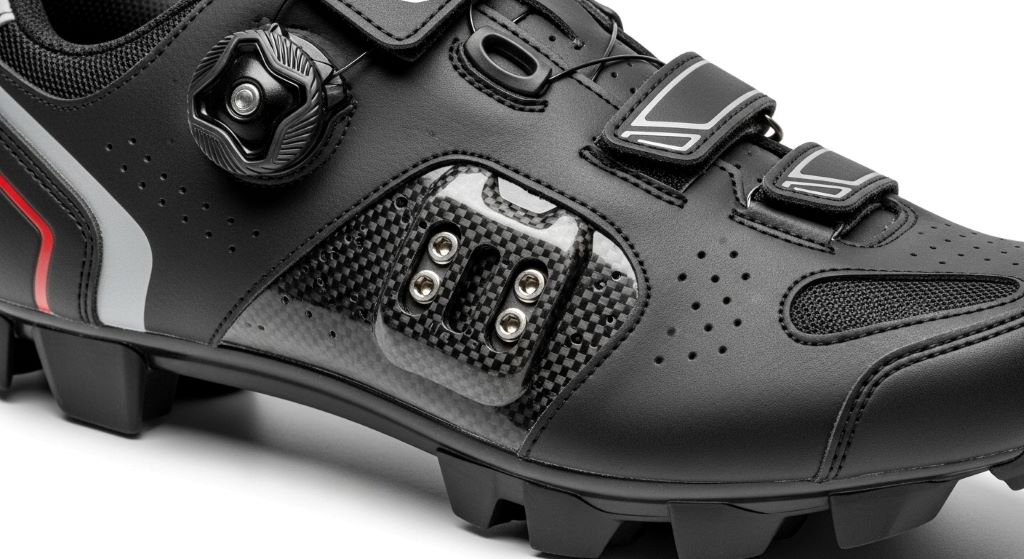
The cleat mounting area endures enormous force with every pedal stroke. Reinforced plates, metal inserts, or extra-thick material in this zone indicate a shoe designed for longevity. Cheap shoes often use thin material that compresses over time, causing cleat bolts to loosen and eventually pull through.
Toe caps protect the front of your shoe from scuffs and impacts. Rubberized or reinforced toe caps extend the life of your shoes significantly, especially if you walk in them regularly or occasionally bump into obstacles while riding.
Heel cups and counters provide structure and support. A well-constructed heel counter maintains its shape over thousands of miles, while cheap versions collapse, reducing support and comfort. Firm, reinforced heel areas indicate quality construction.
The area where your foot flexes during pedaling experiences constant stress. Shoes with reinforced or specially designed flex zones in this area resist cracking and splitting that prematurely ends the life of lesser footwear.
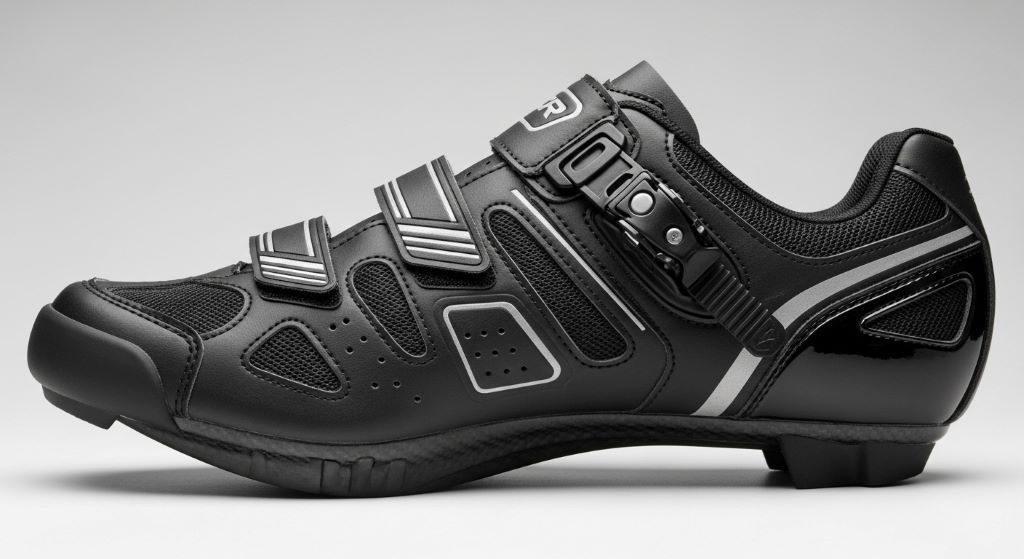
Closure systems face regular manipulation and stress. Hook-and-loop straps wear out quickly if made from poor materials. BOA dials and ratchet systems tend to last longer but can fail catastrophically if a cable breaks or the mechanism jams.
Closure Systems and Long-Term Reliability
How your shoes fasten affects both daily convenience and long-term durability. Different closure systems have distinct advantages and potential failure points.
Traditional hook-and-loop straps are simple, reliable, and easy to replace. However, they collect debris, lose grip over time, and may not provide the precise fit that other systems offer. Quality hook-and-loop materials last longer, but even the best eventually wear out.
BOA dial systems use steel cables and a ratcheting mechanism to provide precise, even pressure. These systems are incredibly convenient and generally durable. Nevertheless, if a cable breaks, the entire shoe becomes difficult to wear. Some manufacturers offer lifetime warranties on BOA systems, which significantly enhances their value.
Ratchet buckles provide secure closure with easy micro-adjustment. They’re more durable than hook-and-loop but can break if overtightened or impacted. Replacement buckles are usually available, making repairs possible.
Lace systems offer infinite adjustability and have no mechanical parts to fail. They require more time to adjust but provide excellent long-term reliability. Modern lace guards protect the laces from drivetrain contact, addressing the main vulnerability of this classic approach.
Combination systems use multiple closure types to balance convenience with security. For instance, a BOA dial might secure the midfoot while a strap handles the forefoot. This redundancy means one system can fail without completely compromising the shoe’s usability.
Sole Stiffness and Durability Balance
Sole stiffness affects both power transfer and comfort, but it also impacts longevity. Finding the right balance ensures your shoes last while still meeting your performance needs.
Extremely stiff soles maximize efficiency by preventing flex that wastes energy. However, they transfer more shock to your feet and joints, which can become uncomfortable over long rides. Additionally, walking in super-stiff shoes creates stress on the sole that may lead to cracking.
Moderately stiff soles provide a better balance for daily riders. They deliver excellent pedaling efficiency while remaining comfortable enough for the varied demands of regular cycling. These soles typically last longer because they flex slightly rather than resisting movement until they crack.
The sole’s thickness affects durability directly. Thicker soles resist wear from walking and provide more material to protect the mounting hardware. However, excessive thickness adds weight and may create clearance issues with certain pedal systems.
Replaceable sole components extend the useful life of your shoes significantly. Some designs feature replaceable heel and toe pads that wear down from walking. Being able to swap these components means the rest of your shoe can continue serving you long after the walking surfaces would normally fail.
Weather Resistance and Material Longevity
Daily riders face all weather conditions, and this exposure tests your shoes’ durability in ways that fair-weather cycling never does. Understanding how materials respond to weather helps you choose appropriately.
Water exposure causes many cycling shoe failures. Leather can rot, glues can separate, and materials can delaminate. Shoes with sealed seams, water-resistant materials, and good drainage dry quickly and resist moisture damage.
Temperature extremes stress materials and adhesives. Shoes left in hot cars or exposed to freezing conditions may develop cracks or separations. Quality materials handle these temperature swings better, maintaining integrity across a wider range of conditions.
UV exposure degrades synthetic materials over time, causing fading, brittleness, and eventual failure. Shoes with UV-resistant materials or protective coatings last longer when regularly exposed to sunlight.
Salt from winter roads or coastal environments corrodes metal components and degrades materials. Rinse your shoes after exposure to salt to extend their lifespan. Stainless steel hardware resists corrosion better than standard fasteners.
Ventilation Without Compromising Structure
Breathability keeps your feet comfortable during rides, but too many vents can compromise structural integrity. The best wear-resistant cycling shoes balance these competing needs.
Mesh panels provide excellent airflow but create potential weak points. Strategically placed mesh in low-stress areas offers ventilation without sacrificing durability. Avoid shoes with large mesh sections in high-wear zones.
Perforated synthetic leather allows air movement while maintaining structural strength. The small holes provide some breathability without significantly weakening the material. This approach works well for daily riders who need both comfort and longevity.
Internal moisture management systems wick sweat away from your feet without requiring external vents that compromise the upper’s integrity. These systems add cost but improve both comfort and shoe longevity.
Removable insoles improve ventilation and extend shoe life by allowing better drying between rides. Additionally, you can replace worn insoles while the rest of your shoe remains serviceable, effectively extending the overall lifespan.
Maintenance Practices for Maximum Lifespan
Even the most durable bike shoes require proper care to reach their full potential lifespan. Developing good maintenance habits dramatically extends how long your shoes serve you well.
Clean your shoes regularly, especially after wet or muddy rides. Dirt and grit act as abrasives, accelerating wear on materials and mechanical components. A quick rinse and wipe-down takes minutes but prevents premature degradation.
Dry your shoes properly after wet rides. Stuff them with newspaper or use a boot dryer to remove moisture without applying excessive heat. Never place cycling shoes directly on radiators or heaters, as high temperatures damage adhesives and materials.
Inspect closure systems regularly. Tighten loose screws, clean debris from BOA mechanisms, and replace worn hook-and-loop straps before they fail completely. Preventive maintenance prevents small issues from becoming major problems.
Check cleat mounting bolts periodically. Loose bolts accelerate wear on mounting plates and can lead to cracks. Keep bolts properly tightened and replace any that show signs of damage or excessive wear.
Apply protective treatments to leather or synthetic materials. Waterproofing sprays and leather conditioners maintain material flexibility and water resistance. These treatments are especially important for shoes exposed to harsh conditions regularly.
Store your shoes in a cool, dry place away from direct sunlight. Proper storage between rides prevents unnecessary UV and temperature damage. Use shoe trees or stuff them to help maintain their shape.
Understanding Price and Value
High-mileage shoes exist across all price ranges, but understanding the relationship between cost and durability helps you make smart purchasing decisions.
Budget options under one hundred dollars can serve daily riders well if chosen carefully. Look for simple construction, durable materials, and proven designs rather than the latest features. These shoes might not have all the bells and whistles, but solid basics last.
Mid-range shoes between one hundred and two hundred dollars typically offer the best value for daily riders. They feature quality materials, proven construction methods, and often include warranties that protect your investment. This range balances performance, durability, and cost effectively.
Premium shoes above two hundred dollars deliver top-tier materials and construction. However, the durability gains over mid-range options may not justify the price difference for many riders. These shoes make sense for competitive cyclists or those who demand the absolute best.
Consider cost per mile rather than just upfront price. A two-hundred-dollar pair that lasts three years costs less per mile than a seventy-five-dollar pair you replace annually. Factor in the convenience of not shopping for shoes frequently when calculating true value.
Warranties and manufacturer support add significant value. Companies that stand behind their products with solid warranties demonstrate confidence in their durability. Additionally, good customer service helps when problems arise, extending the effective life of your purchase.
Recognizing When Replacement Becomes Necessary
Even the most durable shoes eventually wear out. Knowing when to replace them ensures safety and maintains your riding efficiency.
Sole separation at any point compromises both safety and performance. If you notice the sole pulling away from the upper, replacement time has arrived. Attempting repairs on separated soles rarely provides lasting solutions.
Cracks in carbon or composite soles indicate structural failure. These cracks can propagate suddenly during a ride, potentially causing injury. Replace shoes with cracked soles immediately.
Worn cleat mounting areas that allow bolts to loosen frequently signal the end of useful life. Once the mounting area becomes damaged, proper cleat attachment becomes impossible, creating safety hazards.
Compression of padding and insole materials reduces comfort and can lead to foot problems. If your shoes no longer provide adequate cushioning despite fresh insoles, the midsole has likely compressed beyond recovery.
Broken closure systems that can’t be repaired or replaced make shoes difficult to use safely. While some systems can be fixed, if replacement parts aren’t available or the damage is extensive, new shoes become necessary.
Matching Shoes to Your Riding Style
Different types of daily riding create different wear patterns and durability requirements. Matching your shoe choice to your specific riding style ensures optimal longevity.
Road commuters need shoes that handle some walking but prioritize pedaling efficiency. Look for reinforced walking pads, moderate stiffness, and weather-resistant construction. These riders benefit from versatile designs that transition between riding and walking.
Mountain bike riders who use their bikes for daily transportation need aggressive tread, flexible soles, and robust construction. Off-road conditions demand shoes that handle mud, water, and rough terrain while still performing well on pavement.
Urban cyclists who frequently stop and walk need recessed cleat systems and walkable soles. Prioritize toe and heel reinforcement, as these areas wear quickly from regular walking. Moderate sole stiffness balances pedaling efficiency with walking comfort.
Long-distance tourists require maximum comfort and durability. These riders should prioritize proven construction, replaceable components, and shoes from manufacturers with global availability for warranty service or replacements during extended trips.
Conclusion
Finding long-lasting cycling shoes for daily riding requires understanding the interplay between materials, construction, and your specific needs. Durable bike shoes feature quality materials, robust construction methods, and thoughtful design that addresses critical wear points. Wear-resistant cycling shoes balance ventilation with structural integrity and provide closure systems that combine convenience with reliability.
Investing in high-mileage shoes saves money over time and ensures consistent performance throughout your riding season. Look for reinforced wear points, quality materials, and construction methods that resist the stresses of daily use. Remember that proper maintenance significantly extends even the best shoes’ lifespan.
Consider your specific riding style, typical conditions, and budget when making your selection. The most expensive shoes aren’t always the most durable, and the cheapest options rarely provide good value for daily riders. Mid-range options from reputable manufacturers typically offer the best balance of performance, durability, and cost.
Don’t overlook practical features like replaceable components and good warranty coverage. These factors can dramatically extend your shoes’ useful life and provide peace of mind. Take time to research options, read reviews from other daily riders, and choose shoes that meet your real-world needs rather than falling for marketing promises.
Frequently Asked Questions
How many miles should I expect from quality cycling shoes with daily use?
Quality cycling shoes used for daily riding typically last between 3,000 and 8,000 miles, depending on construction quality, riding style, and maintenance. Road shoes with minimal walking generally last longer than shoes used for commuting that involve frequent walking. Proper care and maintenance can extend lifespan toward the upper end of this range, while harsh conditions or poor maintenance may shorten it.
Should I choose carbon or composite soles for durability?
For daily riders, composite soles with fiberglass or carbon reinforcement typically offer better durability than pure carbon. They handle the impacts and stresses of regular use better while providing excellent pedaling efficiency. Pure carbon soles are stiffer but more brittle and prone to cracking if dropped or stressed during walking. Unless you need maximum stiffness for competitive riding, composite soles are the more practical choice.
Can I repair cycling shoes to extend their lifespan?
Many aspects of cycling shoes can be repaired to extend their useful life. You can replace insoles, BOA cables, buckles, and hook-and-loop straps. Some manufacturers offer replacement parts and repair services. However, sole separation, cracked sole structures, and damaged cleat mounting areas typically cannot be effectively repaired and indicate it’s time for replacement. Regular maintenance prevents many repair needs.
Do expensive cycling shoes always last longer than budget options?
Not necessarily. While expensive shoes often use premium materials and construction, durability depends more on design and construction quality than price alone. Some mid-range shoes outlast premium options due to better real-world design choices. Focus on construction quality, materials in wear areas, and manufacturer reputation rather than price alone. Reviews from daily riders provide better durability insights than price tags.
How important is the warranty when choosing cycling shoes?
Warranties provide valuable protection for daily riders investing in quality shoes. A good warranty indicates manufacturer confidence in their product’s durability and provides recourse if defects appear. Look for warranties covering manufacturing defects for at least one year, with some premium brands offering longer coverage. However, remember that warranties don’t cover normal wear, so proper maintenance remains essential regardless of warranty length.
Related Topics:
How to Choose the Best Bike Helmet for Cyclists in 2026
Affordable Mountain Bikes for Beginners: Options Under $500