
Choosing the right sport can make a significant difference in your physical health and longevity. While all physical activities carry some risk, certain sports place considerably less stress on your ligaments and joints. This makes them ideal for people of all ages who want to stay active without the constant worry of serious injuries.
Ligament injuries can be painful, expensive to treat, and require lengthy recovery periods. Therefore, selecting activities that minimize this risk is a smart decision for anyone looking to maintain an active lifestyle. This article explores the safest sports options that protect your ligaments while still providing excellent fitness benefits.
Understanding Ligament Strain and Sports Injuries
Ligaments are tough bands of tissue that connect bones to other bones in your joints. They provide stability and support during movement. However, they can stretch or tear when subjected to excessive force or awkward movements.
Sports that involve sudden stops, rapid direction changes, or high-impact collisions pose the greatest risk to ligaments. Common ligament injuries include ACL tears in the knee, ankle sprains, and shoulder dislocations. These injuries often occur in contact sports or activities requiring explosive movements.
Additionally, repetitive stress can weaken ligaments over time. This makes it crucial to choose sports that distribute physical stress evenly across your body. Understanding these risks helps you make informed decisions about which activities suit your fitness goals and physical condition.
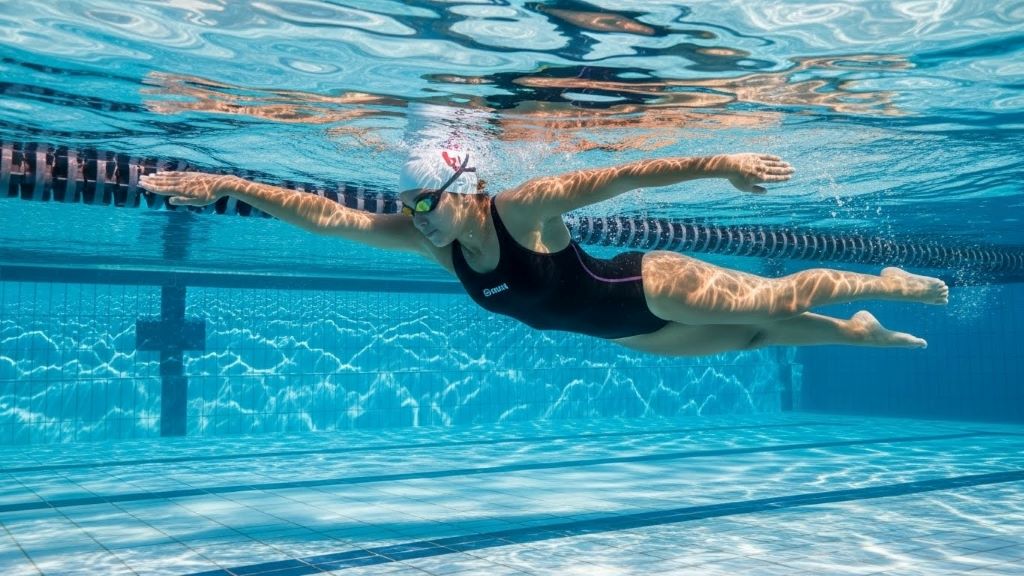
Swimming: The Ultimate Low-Impact Exercise
Swimming ranks as one of the safest sports for your ligaments and joints. The water’s buoyancy supports your body weight, eliminating the impact forces that strain ligaments in land-based activities. This makes swimming an excellent choice for people recovering from injuries or those with existing joint problems.
Moreover, swimming provides a full-body workout that strengthens muscles without placing undue stress on connective tissues. The resistance from water helps build strength gradually and safely. According to research from Harvard Health Publishing, swimming is particularly beneficial for people with arthritis and other joint conditions.
The sport also offers versatility through different strokes and intensities. Whether you prefer leisurely laps or intensive interval training, swimming accommodates various fitness levels. Furthermore, the risk of acute ligament injuries in swimming remains extremely low compared to most other sports.
Cycling: Smooth Motion for Joint Protection
Cycling provides excellent cardiovascular benefits while keeping ligament strain minimal. The circular pedaling motion is smooth and predictable, which reduces sudden stress on joints and ligaments. Unlike running, cycling eliminates the repetitive impact of feet striking the ground.
However, proper bike fit and technique are essential for maximizing safety. An incorrectly adjusted bike can lead to knee problems over time. Therefore, investing in a professional bike fitting ensures optimal positioning and reduces injury risk.
Indoor cycling or stationary bikes offer even greater safety by eliminating the risk of falls or collisions. This controlled environment allows you to focus entirely on your workout without external hazards. Additionally, cycling strengthens the muscles around your knees and hips, providing better joint support.
Walking: Simple Yet Effective
Walking might seem too simple to mention, but it deserves recognition as one of the safest physical activities. The natural, low-impact motion places minimal stress on ligaments while still providing substantial health benefits. Regular walking improves cardiovascular health, strengthens bones, and maintains joint flexibility.
Consequently, walking serves as an excellent starting point for people new to exercise or those recovering from injuries. The activity allows you to control intensity easily by adjusting speed or terrain. Furthermore, walking requires no special equipment beyond comfortable shoes.
Brisk walking can burn significant calories and improve fitness levels without the injury risks associated with running. The sport also promotes mental well-being and can be enjoyed socially or as a meditative solo activity. Therefore, walking remains an underrated yet highly effective exercise option.
Rowing: Controlled Power Without Impact
Rowing machines and water rowing provide outstanding full-body workouts with minimal ligament stress. The seated position and smooth, controlled movements protect your joints from impact forces. This makes rowing particularly suitable for people seeking intense exercise without injury risk.
The sport engages approximately 85 percent of your body’s muscles, making it incredibly efficient. Additionally, proper rowing technique distributes force evenly across major muscle groups rather than concentrating stress on specific joints. This balanced approach protects ligaments while building strength and endurance.
However, technique matters significantly in rowing. Poor form can strain the lower back and other areas. Therefore, learning proper rowing mechanics from qualified instructors or reliable resources ensures you reap the benefits safely. Once mastered, rowing becomes an excellent long-term fitness solution.
Yoga: Flexibility and Strength Combined
Yoga offers unique benefits for ligament health through gentle stretching and strengthening exercises. Unlike high-intensity sports, yoga emphasizes controlled movements and body awareness. This mindful approach helps prevent the sudden, awkward movements that cause most ligament injuries.
Furthermore, yoga improves flexibility gradually, which reduces injury risk in daily activities and other sports. The practice strengthens stabilizing muscles around joints, providing better support for ligaments. Additionally, many yoga styles can be modified to accommodate different fitness levels and physical limitations.
Restorative and gentle yoga styles pose virtually no ligament strain risk while still offering significant benefits. More advanced practices like power yoga require greater caution but remain safer than most conventional sports. Therefore, yoga serves as both a standalone activity and an excellent complement to other exercises.
Elliptical Training: The Joint-Friendly Alternative
Elliptical machines simulate walking or running motions without the impact. The smooth gliding movement protects ligaments and joints while providing effective cardiovascular exercise. This makes elliptical training ideal for people who enjoy the feeling of running but want to avoid its injury risks.
Moreover, elliptical machines often include upper body components, creating a full-body workout. The ability to adjust resistance and incline allows for progressive training without increased injury risk. Additionally, the fixed motion path prevents the ankle rolls and missteps that can occur during outdoor activities.
Studies referenced by Mayo Clinic indicate that elliptical training provides similar cardiovascular benefits to running with significantly less joint stress. This combination of effectiveness and safety makes elliptical machines valuable tools for long-term fitness.
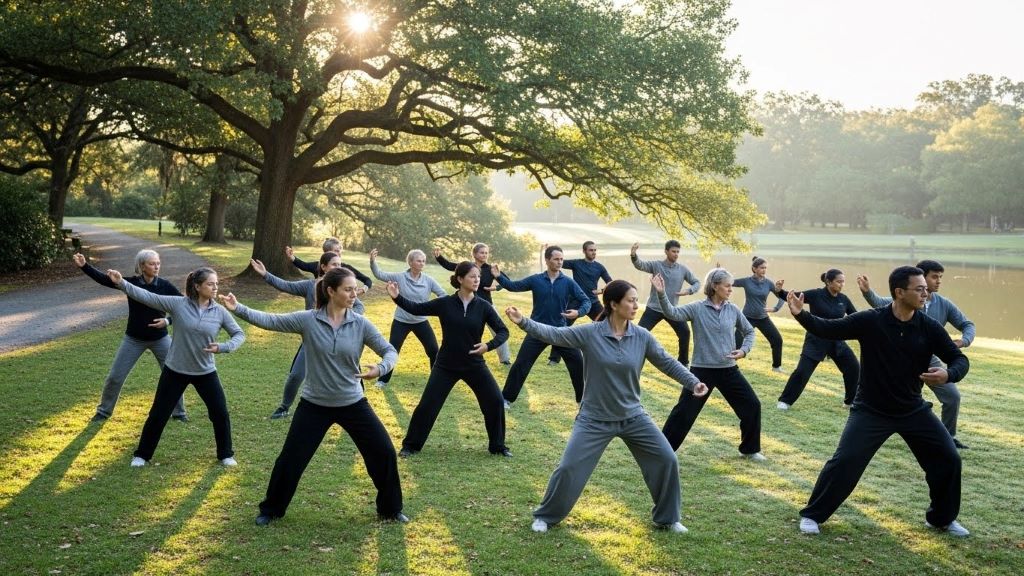
Tai Chi: Ancient Practice for Modern Safety
Tai chi combines slow, deliberate movements with breathing exercises and meditation. This ancient Chinese practice improves balance, flexibility, and strength without placing stress on ligaments. The gentle nature of tai chi makes it accessible to people of virtually all ages and fitness levels.
Additionally, tai chi’s focus on balance and coordination helps prevent falls, which are a major cause of injuries in older adults. The practice strengthens legs and core muscles, providing better support for joints and ligaments. Furthermore, regular tai chi practice has been shown to reduce pain in people with existing joint problems.
The slow, controlled movements eliminate the risk of sudden ligament strains. This makes tai chi one of the absolute safest physical activities available. Therefore, it serves as an excellent option for those seeking mindful movement with minimal injury risk.
Choosing the Right Sport for You
Selecting the safest sport depends on your current fitness level, age, and any existing health conditions. Consider consulting with healthcare providers before starting new activities, especially if you have a history of injuries. They can provide personalized recommendations based on your specific situation.
Additionally, proper equipment and technique play crucial roles in injury prevention across all sports. Investing in quality gear and learning correct form significantly reduces ligament strain risk. Therefore, never skip these important safety considerations.
Remember that starting slowly and progressing gradually protects your body as it adapts to new activities. Listen to your body and respect pain signals rather than pushing through discomfort. This patient approach ensures long-term participation without setbacks from preventable injuries.
Conclusion
Protecting your ligaments while staying active is entirely achievable through smart sport selection. Swimming, cycling, walking, rowing, yoga, elliptical training, and tai chi all offer excellent fitness benefits with minimal ligament strain risk. These activities prove that effective exercise does not require high injury risk.
Choosing low-impact sports allows you to maintain an active lifestyle for years to come. The reduced injury risk means fewer interruptions to your fitness routine and lower healthcare costs over time. Moreover, these safer options often provide additional benefits like stress reduction and improved mental health.
Ultimately, the safest sport is one you will practice consistently with proper form and appropriate progression. By prioritizing ligament health in your activity choices, you invest in your long-term physical wellbeing and quality of life.
Frequently Asked Questions
What makes a sport safe for ligaments?
Sports with controlled, predictable movements and minimal impact forces are safest for ligaments. Activities that avoid sudden direction changes, jumping, and contact reduce strain on these connective tissues significantly.
Can I still get fit with low-impact sports?
Absolutely. Low-impact sports like swimming and cycling provide excellent cardiovascular and strength benefits without the injury risks of high-impact activities. Many athletes achieve peak fitness through these safer alternatives.
Are there any sports with zero ligament injury risk?
No sport carries zero risk, but activities like swimming and tai chi come very close. Proper technique, appropriate progression, and listening to your body minimize risks across all activities.
How do I know if a sport is straining my ligaments?
Pay attention to joint pain, swelling, or instability during or after activity. These symptoms may indicate ligament stress. Consult healthcare providers if you experience persistent discomfort or suspect an injury.
Can strength training prevent ligament injuries in sports?
Yes. Strengthening muscles around joints provides better support for ligaments and reduces injury risk. However, proper form in strength training itself is essential to avoid causing the injuries you are trying to prevent.
Related Topics:
Fantasy League Digest: Your Ultimate Guide to Dominating Fantasy Sports
Next Gen Sports: The Future of Athletic Competition in a Tech-Driven World