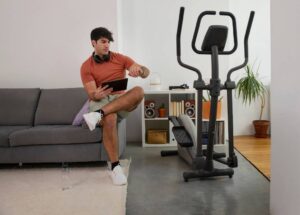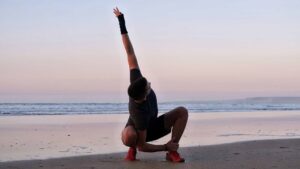

Growing up, I loved playing soccer, sprinting across the field, weaving through opponents. But one wrong twist during a game left me sidelined with a sprained knee, teetering on the edge of an ACL injury. That scare pushed me to learn how to protect my knees. ACL injuries, affecting the anterior cruciate ligament, are common, especially among athletes. Preventing them through targeted exercises can save you pain and recovery time. This blog post shares the top exercises to prevent ACL injuries, blending my journey with practical tips. Whether you’re an athlete or a weekend warrior, these exercises can keep your knees strong and stable. Let’s dive into how you can safeguard your knees.
Understanding the ACL and Its Importance
The anterior cruciate ligament (ACL) is a key stabilizer in your knee, connecting your thigh bone to your shin. It controls forward movement and rotation, crucial for activities like running or jumping. However, sudden stops or twists can strain or tear it. According to the American Academy of Orthopaedic Surgeons, about 200,000 ACL injuries occur annually in the United States, with athletes at higher risk. Weak muscles or poor movement patterns often contribute. Strengthening the muscles around your knee and improving coordination can reduce this risk. My soccer mishap taught me that neglecting proper warm-ups and strength training was a mistake. By focusing on prevention, you can maintain knee stability and avoid long-term issues. Let’s explore the best exercises next.
Best Exercises to Strengthen Your Knees
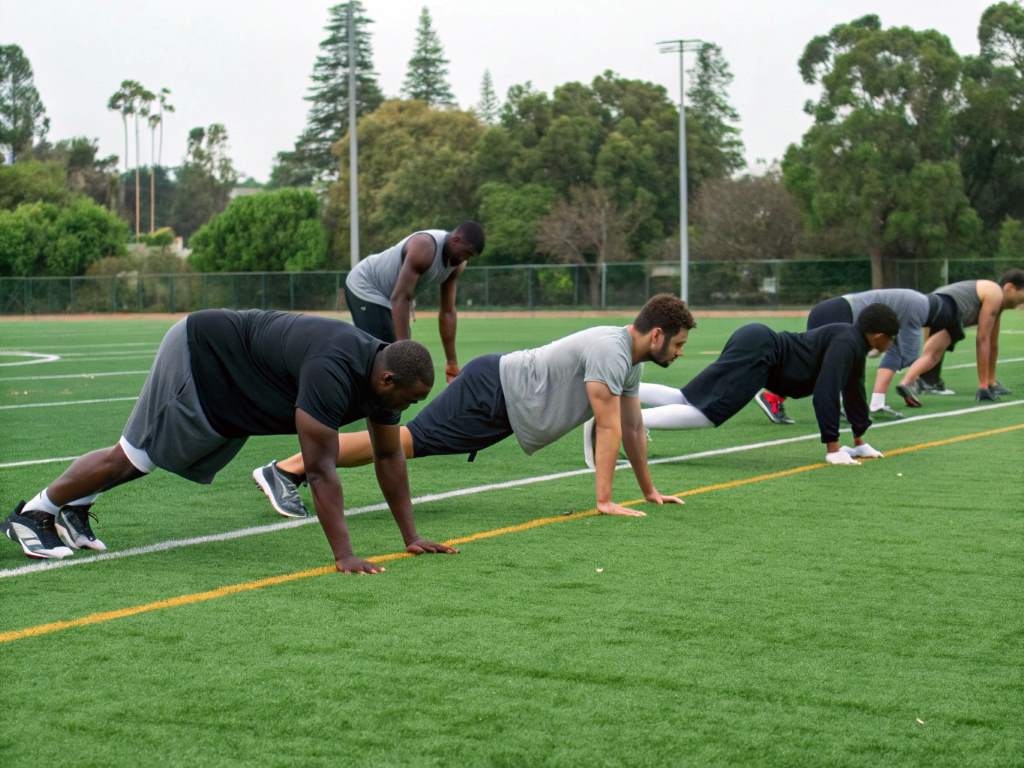
Preventing ACL injuries starts with building strength and stability. These exercises target key muscle groups like quadriceps, hamstrings, and glutes, while improving balance. Perform them 2–3 times weekly for optimal results. Always warm up first to avoid strain. Below are the top exercises I’ve incorporated into my routine, inspired by my recovery journey and expert recommendations.
- Squats: Strengthen quads, hamstrings, and glutes. Keep knees over toes; lower slowly.
- Lunges: Improve balance and leg strength. Step forward, keeping your knee aligned.
- Step-Ups: Build quad and glute power. Use a sturdy box; step up smoothly.
- Hamstring Curls: Target hamstrings for knee support. Use a resistance band or machine.
- Single-Leg Balance: Enhance stability. Stand on one leg for 30 seconds.
These exercises, when done correctly, fortify your knees against injury. Consult a trainer for proper form.
Plyometric Exercises for Explosive Power
Plyometric exercises boost power and coordination, critical for ACL injury prevention. They mimic athletic movements, training your muscles to react quickly. After my knee scare, I added plyometrics to my routine, noticing better control during games. A 2018 study in the Journal of Sports Science found plyometrics reduced ACL injury risk by 50% in young athletes. Try these:
- Box Jumps: Jump onto a box, landing softly. Builds explosive leg strength.
- Lateral Hops: Hop side-to-side over a line. Improves lateral stability.
- Tuck Jumps: Jump, tucking knees to chest. Enhances power and control.
Start with low intensity and progress gradually. Proper landing mechanics are key to avoiding stress on your knees.
Balance and Proprioception Training
Balance training enhances proprioception, your body’s ability to sense position. This is vital for preventing awkward movements that strain the ACL. After my injury scare, balance exercises helped me regain confidence on the field. Simple drills can make a big difference. Stand on one leg while brushing your teeth or try these:
- Bosu Ball Stands: Stand on a Bosu ball for 30 seconds. Strengthens stabilizing muscles.
- Wobble Board Drills: Balance on a wobble board. Improves ankle and knee coordination.
- Single-Leg Reaches: Reach forward while balancing on one leg. Boosts control.
These exercises improve joint awareness, reducing injury risk. Practice daily for 10 minutes. Consistency is crucial for noticeable improvements.
Common Mistakes to Avoid
Even with the best intentions, mistakes can undermine your efforts. Here are pitfalls to watch for, based on my experience and expert advice:
- Skipping Warm-Ups: Cold muscles are prone to injury. Always warm up for 5–10 minutes.
- Poor Form: Incorrect squat or lunge form stresses knees. Use a mirror or trainer.
- Overtraining: Too much too soon causes fatigue. Rest between sessions.
- Ignoring Pain: Pushing through knee pain risks damage. Stop and assess.
- Neglecting Core Strength: A weak core affects knee alignment. Add planks.
- Inconsistent Routines: Sporadic workouts yield poor results. Stick to a schedule.
Avoiding these errors ensures safer, more effective training. Listen to your body and prioritize form.
Tips for Safe Exercise Execution
To maximize benefits and minimize risks, follow these tips. They’ve helped me stay injury-free since my scare:
- Start Slow: Begin with bodyweight exercises before adding resistance.
- Use Proper Footwear: Supportive shoes prevent slips and misalignment.
- Focus on Landing: Land softly during jumps to reduce knee stress.
- Incorporate Rest Days: Recovery prevents overuse injuries.
- Stretch Regularly: Flexible muscles support knee stability.
- Seek Professional Guidance: A physical therapist can tailor exercises.
- Track Progress: Log workouts to stay motivated and consistent.
These tips enhance safety and effectiveness. For additional guidance, check OrthoInfo.
Benefits of ACL Prevention Exercises

Committing to these exercises offers multiple rewards, beyond just injury prevention. Here’s why they’re worth your time:
- Improved Athletic Performance: Stronger legs boost speed and agility.
- Enhanced Stability: Better balance reduces fall risk.
- Increased Confidence: Knee strength improves movement confidence.
- Long-Term Joint Health: Strong muscles protect joints as you age.
- Faster Recovery: Prehab strengthens muscles, aiding post-injury recovery.
- Versatility: Exercises suit all fitness levels and sports.
These benefits have transformed my approach to fitness, making me a smarter athlete. Consistency delivers results you’ll feel on and off the field.
Conclusion
Preventing ACL injuries is within your reach with the right exercises. My soccer scare taught me the value of proactive care, and these top exercises to prevent ACL injuries have kept me strong and confident. From squats to plyometrics, each move builds a foundation for stable, resilient knees. Don’t wait for an injury to take action. Start incorporating these exercises today, stay consistent, and listen to your body. Your knees will thank you. Have you tried these exercises or faced an ACL scare? Share your story in the comments or spread the word by sharing this post. Let’s keep our knees strong together!
FAQs
Why Are ACL Injuries So Common in Sports?
ACL injuries are common in sports due to sudden stops, pivots, or jumps that stress the knee. Sports like soccer and basketball increase risk.
Can Anyone Do These Exercises?
Yes, these exercises suit most fitness levels. Beginners should start slow and consult a trainer for proper form to avoid injury.
How Often Should I Do These Exercises?
Perform these exercises 2–3 times weekly, with rest days in between. Consistency is key for building strength and stability.
Do I Need Equipment for These Exercises?
Many exercises, like squats and lunges, require no equipment. Optional tools like resistance bands or Bosu balls enhance workouts.
Can These Exercises Help After an ACL Injury?
Yes, with a doctor’s approval, these exercises can aid recovery by strengthening muscles and improving stability post-injury.