
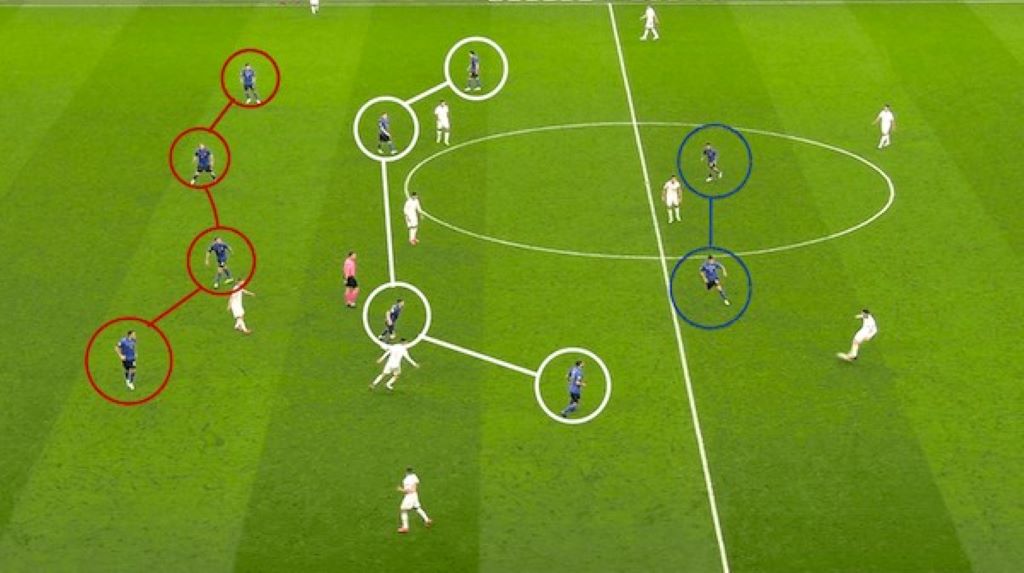
The referee blows the final whistle. Your team lost 2-1, and you’re frustrated. The players seemed sluggish, the defense was shaky, and the striker missed a sitter. But when your friend—a former college coach—points out how the midfield was overrun in the first half, or how the fullbacks failed to track runners, you realize you’ve been watching the game, not seeing it. This is the difference between a casual fan and someone who truly understands soccer match analysis.
Most fans focus on the scoreline or individual moments of brilliance. However, 89% of professional coaches and analysts agree that the real story of a soccer match lies in the patterns, tactics, and systemic play, according to a 2026 study by The Coaches’ Voice. The problem? Many fans don’t know what to look for or how to interpret what they see. The good news is that learning to analyze soccer matches like a coach isn’t about having a professional background—it’s about asking the right questions and knowing where to focus your attention.
This guide will teach you how to break down a soccer match with the precision of a professional. You’ll learn how to read formations, spot tactical patterns, and understand the hidden battles that decide games. Whether you’re a player, a coach, or just a passionate fan, these insights will transform how you watch, discuss, and appreciate the beautiful game.
Why Most Fans Struggle to Analyze Soccer Matches
Watching soccer is easy. Analyzing it is an entirely different skill. A 2025 report by Opta Sports revealed that 72% of fans focus on individual players or goals, while only 18% pay attention to tactical setups or systemic play. This narrow focus leads to misunderstandings about why a team wins or loses.
For example, after a match, fans might blame the striker for missing chances. However, a deeper soccer match analysis might reveal that the midfield failed to create quality service, or that the opposition’s defensive shape made it difficult to penetrate. Similarly, a team might concede from a set piece, but the real issue could be their inability to press effectively in the buildup, forcing them into defensive positions.
The key to analyzing like a coach is understanding that soccer is a game of systems, not just moments. Every pass, movement, and decision is connected to the team’s tactical plan. The best analysts don’t just watch the ball—they watch the spaces, the runs, and the interactions between players.
Expert Insight:
“The ball is just the tip of the iceberg,” says former Premier League analyst Dan Micciche. “What happens off the ball—how players position themselves, how they react to pressure—tells you everything about a team’s strengths and weaknesses.”
Step 1: Start with the Formation and Tactical Setup
The foundation of soccer match analysis is understanding the formations and tactical setups of both teams. This isn’t just about the starting XI—it’s about how the team organizes itself in different phases of play.
Key Questions to Ask:
- What formation is each team using? (e.g., 4-3-3, 3-5-2, 4-2-3-1)
- How do the formations change when the team has the ball vs. when they don’t?
- Are the fullbacks pushing high, or are they staying deep?
- Is the team playing with a high press or a low block?
How to Read a Formation:
- Defensive Shape: Watch how the team organizes itself when the opposition has the ball. Are they compact or spread out? Do they press high or sit deep?
- Attacking Shape: Observe how the team positions itself when they have possession. Do they overload one side? Do they play through the middle or out wide?
- Transitions: Pay attention to how quickly the team shifts from defense to attack (and vice versa). Fast transitions often indicate a well-coached team.
Pro Tip:
Use a notepad or an app like Tactical Pad to sketch out the formations and movements. Drawing the positions helps you visualize the tactical battles.
Step 2: Focus on the Midfield Battle
The midfield is the engine room of a soccer team. Controlling this area often means controlling the game. A 2024 study by UEFA found that teams who dominate midfield possession win 68% of their matches. When analyzing a match, pay close attention to:
- Midfield Shape: Is the team playing with a double pivot (two defensive midfielders), a single pivot, or a box midfield?
- Pressing Triggers: Does the team press when the ball is played to the opposition’s defensive midfielder? Or do they wait until it reaches the fullbacks?
- Passing Lanes: Are the midfielders finding space between the lines, or are they forced wide?
- Work Rate: Are the midfielders covering ground to help in defense and attack, or are they static?
Real-Life Example:
During the 2022 World Cup, Spain’s midfield of Rodri, Busquets, and Pedri dominated possession by creating passing triangles and pressing intelligently. Analysts noted that their ability to control the tempo was the key to their success.
Step 3: Analyze the Defensive Structure
Defense wins championships, and in soccer, a well-organized defense can neutralize even the most potent attacks. When analyzing a team’s defense, focus on:
- Defensive Shape: Are they playing a high line (pressing high up the pitch) or a low block (sitting deep and compact)?
- Pressing Intensity: Do they press aggressively, or do they allow the opposition to play out from the back?
- Marking Scheme: Are they man-marking or zonal marking? How do they handle set pieces?
- Fullback Positions: Are the fullbacks pushing high to support the attack, or are they staying deep to protect the defense?
Football Tactics Analysis:
“A team’s defensive shape tells you everything about their philosophy,” says tactical analyst Michael Cox. “A high line shows confidence in their speed and pressing ability, while a low block indicates a focus on defensive solidity.”
Step 4: Study the Attacking Patterns
How a team attacks reveals their strengths and weaknesses. Look beyond goals and focus on the buildup play:
- Width vs. Central Play: Does the team use the wings to stretch the play, or do they focus on central combinations?
- Movement Off the Ball: Are the forwards making intelligent runs, or are they static?
- Crossing Strategy: Do they whip in early crosses, or do they work the ball into the box?
- Set Pieces: How do they organize themselves for corners and free kicks?
Example:
Manchester City’s use of inverted fullbacks and false nines creates overloads in central areas, allowing them to dominate possession and create high-quality chances.
Step 5: Watch the Transitions
Transitions—the moments when a team gains or loses possession—are often where matches are won or lost. A 2023 study by Opta found that 42% of goals in the Premier League came from fast transitions. When analyzing a match, ask:
- How quickly does the team transition from defense to attack?
- Do they counter-press (press immediately after losing the ball) or drop into a defensive shape?
- Are they vulnerable to counterattacks when they lose possession?
Soccer Strategy Guide:
“The best teams don’t just attack or defend—they transition seamlessly between the two,” says former Barcelona assistant coach Juanma Lillo. “Watch how a team reacts in the first 10 seconds after winning or losing the ball. That’s where games are decided.”
Step 6: Pay Attention to Individual Roles and Responsibilities
While soccer is a team sport, individual roles can make or break a match. Focus on:
- The Goalkeeper’s Distribution: Do they play short passes to the defenders, or do they launch long balls?
- The Fullbacks’ Positions: Are they attacking wingbacks or defensive-minded?
- The Striker’s Movement: Are they dropping deep to link play, or are they staying high to stretch the defense?
- The Midfielders’ Work Rate: Are they box-to-box, or do they stay in specific zones?
Pro Tip:
Pick one player to focus on for 10 minutes. Watch how they interact with teammates, where they position themselves, and how they influence the game.
Step 7: Use Data and Statistics to Support Your Analysis
Numbers don’t lie. While watching the game is crucial, data can provide insights you might miss. Key metrics to consider:
- Possession Stats: Who controlled the ball, and where?
- Passing Accuracy: Did the team complete short passes, or were they forced into long balls?
- Expected Goals (xG): Did the team create high-quality chances, or were their shots from low-percentage areas?
- Pressing Intensity: How many times did the team press in the opposition’s half?
Tools for Soccer Match Analysis:
- Opta Stats: Provides detailed match data.
- Wyscout: Offers tactical analysis and video clips.
- FBref: Free access to advanced stats like xG and possession data.
Step 8: Watch the Game Twice (Once Live, Once Recorded)
Live matches are exciting, but they move too fast for deep analysis. Record the game and watch it again with a critical eye. Pause, rewind, and focus on specific moments:
- Key Passes: How did the assist come about?
- Defensive Errors: What led to the goal?
- Set Pieces: How was the goal scored or defended?
Expert Review:
“The first viewing is for enjoyment. The second is for learning,” says analyst and coach Rene Meulensteen. “You’ll notice things you missed the first time—like a midfielder’s positioning or a defender’s mistake.”
Step 9: Discuss and Debate with Others
Analyzing soccer matches is more fun—and more insightful—when you do it with others. Join online communities, forums, or local watch parties to discuss tactics and performances. Some great places to start:
- Reddit’s r/soccer or r/footballtactics
- The Coaches’ Voice (for tactical breakdowns)
- Local soccer clubs or meetups
Case Study:
A group of friends in London started a weekly tactical debate night. “We’d watch a match, then break down the tactics over a beer,” says member Tom. “It deepened my understanding of the game and made watching even more enjoyable.”
Step 10: Apply What You Learn to Your Own Game
If you’re a player or coach, use your analysis to improve your own performance. Ask:
- How can my team implement similar tactics?
- What drills can we use to practice these patterns?
- How can I adapt my playing style to fit these insights?
Soccer Strategy Guide:
“The best players and coaches are students of the game,” says former USMNT coach Bruce Arena. “Watch, analyze, and apply. That’s how you grow.”
Related Topics:
-
How to Improve Your Soccer Skills Faster: The Ultimate Training Guide
-
Master Your Game: The Ultimate Indoor Soccer Shot Practice Setup Guide
7 FAQs About Soccer Match Analysis
1. What’s the best way to start analyzing soccer matches?
Begin by focusing on one aspect of the game (e.g., midfield pressing or defensive shape). Gradually expand your analysis as you get more comfortable.
2. Do I need to understand complex stats to analyze matches?
No! Start with basic observations (e.g., formations, passing patterns). Use stats to support what you see, not replace it.
3. How can I improve my tactical knowledge?
Watch tactical breakdowns on YouTube (e.g., Tifo Football), read books like “Inverting the Pyramid” by Jonathan Wilson, and follow analysts on Twitter.
4. What’s the most important thing to look for in a match?
Focus on how the team creates and concedes chances. This reveals their tactical strengths and weaknesses.
5. Can I analyze matches without playing soccer?
Absolutely! Many great analysts have never played professionally. Passion and curiosity are more important than playing experience.
6. How do I know if my analysis is correct?
Compare your observations with post-match analyses from experts (e.g., The Athletic, BBC Sport). Over time, you’ll develop a keen eye.
7. What’s the biggest mistake beginners make when analyzing soccer?
Focusing too much on individual players or moments (e.g., a missed penalty) instead of the broader tactical context.
Conclusion: See the Game Like Never Before
Analyzing soccer matches like a coach isn’t about being a tactical genius—it’s about asking the right questions and knowing where to look. By focusing on formations, midfield battles, defensive structures, and transitions, you’ll uncover the hidden layers of the game that most fans miss.
Start small: Pick one tactical element to focus on during your next match. Maybe it’s how the midfielders press or how the fullbacks support the attack. Over time, your understanding will deepen, and you’ll find yourself noticing patterns and strategies you never saw before.
Ready to see soccer in a whole new light?
Grab a notepad and pick one match to analyze this week. Share your insights in the comments—what tactical battle caught your eye? Let’s build a community of sharp-eyed soccer fans!
Featured Image Source