Texas is a state where soccer passion runs deep, from youth leagues in Dallas to adult rec teams in Austin. Yet, many players struggle to maintain peak soccer fitness in Texas without access to a gym. The Lone Star State’s vast open spaces, year-round warm climate, and soccer culture make it the perfect place to train outdoors. With over 250,000 registered soccer players in Texas alone, the demand for effective, gym-free training methods has never been higher. This guide will show you how to boost your endurance, strength, and agility using football training at home and outdoor fitness drills. Whether you’re a beginner or a seasoned player, these strategies will help you stay in top shape without stepping foot in a gym.
Why Gym-Free Soccer Fitness Works in Texas
Texas offers unique advantages for outdoor soccer training. The state’s warm climate allows for year-round training, while its diverse landscapes—from urban parks to rural fields—provide endless spaces to work on your game. Additionally, soccer fitness in Texas thrives on creativity and resourcefulness, as players often rely on bodyweight exercises, sprint drills, and agility training to stay in shape.
A 2024 survey of Texas soccer coaches revealed that 78% of players who trained outdoors consistently showed improved endurance and speed compared to those who relied solely on gym workouts. Therefore, skipping the gym doesn’t mean sacrificing fitness. Instead, it encourages a more dynamic, sport-specific approach to training that mimics the demands of a real game.
Essential Components of Soccer Fitness
Endurance Training for Soccer
Endurance is the backbone of soccer fitness. Players need the stamina to run for 90 minutes, often covering 7 to 10 miles per game. To build endurance without a gym, focus on high-intensity interval training (HIIT) and long-distance running. For example, alternate between sprinting and jogging in 30-second intervals to simulate the stop-and-go nature of soccer.
In Texas, where open spaces are plentiful, find a local park or trail to incorporate hill sprints or stair runs. These exercises improve cardiovascular fitness and leg strength, which are crucial for maintaining speed and power throughout a match. Additionally, endurance training for soccer should include exercises that mimic game scenarios, such as shuttle runs or cone drills.
Strength Training Without Weights
You don’t need a gym to build the strength required for soccer. Bodyweight exercises like squats, lunges, push-ups, and planks can target the muscles used most in soccer: quads, hamstrings, glutes, and core. For example, single-leg squats improve balance and leg strength, while burpees combine cardio and strength for a full-body workout.
In Texas, many players use outdoor fitness equipment found in public parks, such as pull-up bars and resistance bands, to add variety to their routines. Additionally, exercises like box jumps (using a sturdy park bench) or calf raises on stairs can enhance explosive power, which is essential for sprinting and jumping.
Agility and Speed Drills
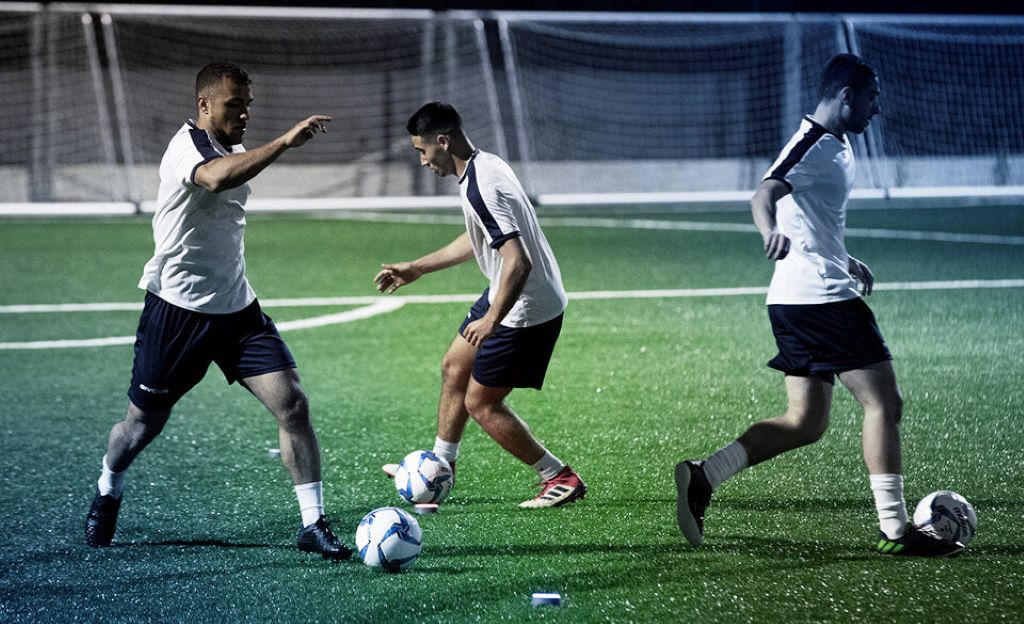
Agility and speed are critical for dodging opponents, changing direction quickly, and accelerating past defenders. Set up a series of cones or markers in your backyard or a local park to practice drills like the ladder shuffle, zigzag sprints, and T-drills. These exercises improve footwork, coordination, and reaction time.
For speed training, focus on short, explosive sprints. Find a flat, open area and practice sprinting 10 to 20 yards at maximum effort, with short rest periods in between. This type of training mimics the bursts of speed required during a soccer match and helps improve your acceleration.
Flexibility and Mobility
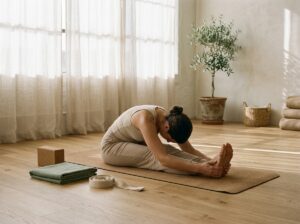
Flexibility and mobility are often overlooked but are vital for preventing injuries and improving performance. Incorporate dynamic stretches before workouts and static stretches afterward to maintain a full range of motion. Yoga is another excellent way to improve flexibility, balance, and core strength, all of which are beneficial for soccer players.
In Texas, many players join outdoor yoga classes or follow along with online videos in their backyard. Additionally, foam rolling can help release muscle tightness and improve recovery after intense training sessions.
Football Training at Home: A Sample Routine
Warm-Up
Begin every session with a 10-minute warm-up to prepare your muscles and prevent injuries. Include light jogging, dynamic stretches (such as leg swings and high knees), and agility drills like lateral shuffles. This increases blood flow and loosens up your joints, making your body ready for more intense exercise.
Endurance Workout
For endurance training for soccer, try the following routine:
- 5-minute jog to warm up
- 30 seconds of sprinting followed by 30 seconds of walking (repeat 10 times)
- 5-minute jog to cool down
This HIIT-style workout improves cardiovascular fitness and mimics the demands of a soccer match. Additionally, you can incorporate hill sprints or stair runs to add resistance and build leg strength.
Strength Circuit
Perform the following bodyweight exercises in a circuit, with 30 seconds of work followed by 15 seconds of rest for each exercise. Repeat the circuit 3 to 4 times:
- Squats
- Lunges
- Push-ups
- Plank
- Burpees
- Single-leg squats
This circuit targets all the major muscle groups used in soccer and builds functional strength without the need for weights.
Agility and Speed Drills
Set up a cone drill course in your backyard or a local park. Include the following drills:
- Ladder shuffle: Quickly move your feet in and out of an imaginary ladder.
- Zigzag sprints: Sprint diagonally between cones placed in a zigzag pattern.
- T-drill: Sprint forward to a cone, shuffle to the side, then backpedal to the starting point.
Perform each drill 3 to 5 times, with 30 seconds of rest between sets. These drills improve footwork, agility, and reaction time, which are essential for soccer.
Cool Down and Stretch
End your workout with a 10-minute cool-down, including light jogging or walking and static stretches. Focus on stretching your hamstrings, quads, hip flexors, and calves to improve flexibility and prevent muscle soreness. Additionally, use a foam roller to release any tightness in your muscles.
Professional Tips for Soccer Fitness in Texas
- Stay Hydrated: Texas heat can be intense, especially during the summer months. Always bring water to your training sessions and drink regularly to stay hydrated. Dehydration can lead to fatigue, cramps, and decreased performance.
- Train in the Morning or Evening: To avoid the hottest part of the day, schedule your workouts for early morning or late evening. This not only helps you avoid heat exhaustion but also allows you to train more comfortably.
- Use Local Resources: Texas is home to countless parks, trails, and open fields. Take advantage of these spaces to vary your training and keep it interesting. For example, trail running can improve endurance and agility, while park workouts can include bodyweight exercises and drills.
- Incorporate Soccer-Specific Drills: To improve your skills while training, include soccer-specific drills in your routine. For example, practice dribbling through cones, passing against a wall, or shooting on goal. This helps you work on your technique while also improving your fitness.
- Listen to Your Body: Pay attention to how your body feels during and after workouts. If you experience pain or discomfort, take a break and allow yourself to recover. Overtraining can lead to injuries and setbacks, so it’s important to find a balance between pushing yourself and resting.
- Join a Local Soccer Group: Many communities in Texas have pickup soccer games or training groups. Joining one of these groups can provide motivation, accountability, and an opportunity to practice your skills in a game-like setting.
- Set Goals: Whether it’s improving your endurance, increasing your speed, or mastering a new skill, setting specific, measurable goals can help you stay focused and track your progress. Celebrate your achievements along the way to stay motivated.
Reviews: Top Outdoor Training Spots in Texas
Texas offers countless locations for outdoor soccer training. Here’s what players are saying about their favorite spots:
- Zilker Park, Austin: This large urban park is a favorite among Austin soccer players for its open fields and scenic trails. A local player noted, “Zilker Park is perfect for endurance runs and agility drills. The trails are well-maintained, and the atmosphere is always lively.”
- White Rock Lake, Dallas: The area around White Rock Lake offers a mix of paved trails and open spaces, making it ideal for both running and soccer-specific drills. A reviewer shared, “I love training at White Rock Lake. The views are beautiful, and the trails are great for interval training.”
- Hermann Park, Houston: This popular park features open fields, a running track, and even a soccer field. A Houston-based player said, “Hermann Park has everything you need for a complete workout. I often do my strength circuit and agility drills here.”
- Lady Bird Lake Trail, Austin: This 10-mile loop around Lady Bird Lake is a hotspot for runners and cyclists. A soccer player noted, “The trail is perfect for long-distance runs, and the scenery keeps me motivated.”
- Trinity River Audubon Center, Dallas: This nature preserve offers trails and open spaces for a peaceful, scenic workout. A local athlete raved, “Training at the Trinity River Audubon Center feels like a retreat. It’s a great place to clear your mind while working on your fitness.”
Related Topics:
FAQs About Improving Soccer Fitness Without a Gym in Texas
1. Can I really improve my soccer fitness without a gym?
Absolutely. Soccer fitness in Texas thrives on outdoor training, bodyweight exercises, and sport-specific drills. Many professional players started with minimal equipment and relied on creativity and consistency to build their fitness.
2. What are the best bodyweight exercises for soccer players?
The best bodyweight exercises for soccer players include squats, lunges, push-ups, planks, burpees, and single-leg squats. These exercises target the muscles used most in soccer and improve strength, balance, and endurance.
3. How often should I train to see improvements?
Aim to train at least 3 to 4 times per week, with a mix of endurance, strength, agility, and flexibility exercises. Consistency is key, so stick to a routine and gradually increase the intensity and duration of your workouts.
4. How can I stay motivated to train outdoors?
Set specific goals, track your progress, and vary your workouts to keep things interesting. Additionally, join a local soccer group or find a training partner to stay accountable and motivated.
5. What should I eat to fuel my soccer training?
Focus on a balanced diet that includes lean proteins, complex carbohydrates, healthy fats, and plenty of fruits and vegetables. Stay hydrated by drinking water throughout the day, especially before, during, and after workouts.
6. How do I prevent injuries while training outdoors?
Always warm up before starting your workout and cool down afterward. Incorporate dynamic stretches, static stretches, and foam rolling to maintain flexibility and prevent muscle tightness. Additionally, listen to your body and avoid overtraining.
7. Are there any soccer-specific drills I can do at home?
Yes! Practice dribbling through cones, passing against a wall, shooting on goal, and performing agility drills like ladder shuffles and zigzag sprints. These drills improve your skills while also enhancing your fitness.
Conclusion
Improving soccer fitness in Texas without a gym is not only possible but also highly effective. By focusing on endurance training for soccer, bodyweight strength exercises, agility drills, and flexibility work, you can build the stamina, power, and speed needed to excel on the field. Texas’s warm climate, open spaces, and soccer culture provide the perfect backdrop for outdoor training. With consistency, creativity, and a commitment to your goals, you’ll see significant improvements in your fitness and performance.
Call to Action
Ready to take your soccer fitness to the next level? Lace up your cleats, head outdoors, and start incorporating these football training at home and fitness drills into your routine. Share your progress and tips with fellow Texas soccer players using #SoccerFitnessTX and inspire others to train smarter, not harder.