Skateboarding demands precision, balance, and quick reflexes. Your connection to the board starts with your feet, making shoe selection crucial for performance and safety. The right pair transforms your skating experience, while the wrong choice leads to frustration and potential injury. This guide explores everything you need to know about selecting skateboarding footwear that enhances your control and comfort.
Understanding the Importance of Proper Skate Shoes
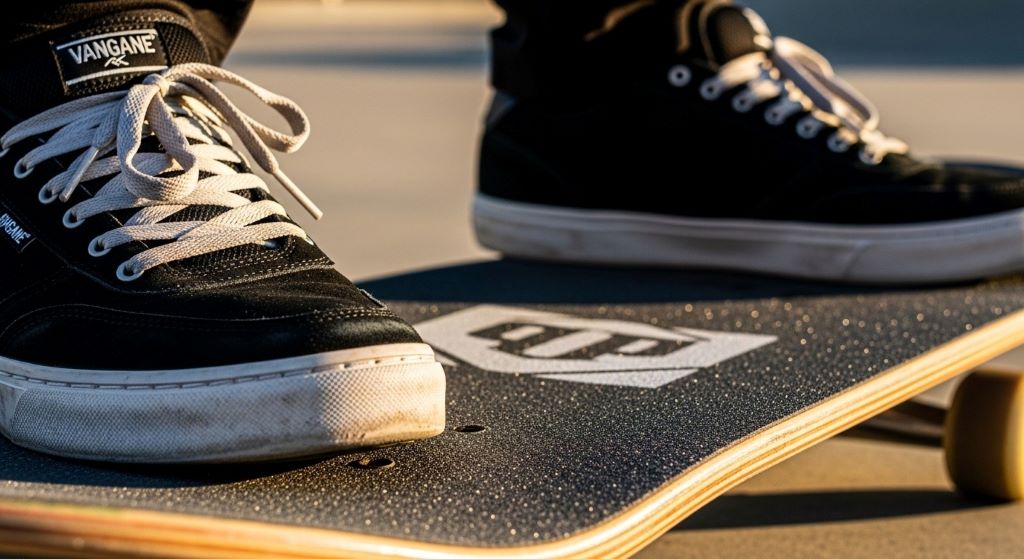
Many beginners underestimate how much their shoes affect their skating ability. Regular athletic shoes lack the specific features needed for skateboarding. They wear out quickly, offer poor board feel, and can compromise your safety. In contrast, shoes designed specifically for skating provide the grip, support, and durability necessary for progression.
Your shoes serve as the interface between you and your board. Therefore, choosing the right pair directly impacts your ability to land tricks, maintain balance, and skate for extended periods. Understanding what makes a good skate shoe helps you invest wisely in your equipment.
Essential Features to Look For
Several key characteristics separate quality skate shoes from ordinary sneakers. Recognizing these features ensures you select footwear that meets the demands of skateboarding.
Sole Construction and Grip
The sole determines how well you feel your board and maintain traction. Vulcanized soles offer superior board feel because they bond directly to the upper material. This construction creates flexibility and excellent grip on your deck. However, vulcanized soles typically wear faster than other options.
Cupsole construction provides more impact protection and longer wear. These soles feature a separate rubber piece attached to the upper. While they sacrifice some board feel, they excel in cushioning and durability. Many modern designs combine both technologies, offering balanced performance.
The rubber compound also matters significantly. Softer rubber grips better but wears faster. Harder compounds last longer but may feel slippery on certain surfaces. Mid-range hardness usually provides the best compromise for most skaters.
Upper Material Quality
The upper part of your shoe endures constant abrasion from grip tape. Canvas offers breathability and breaks in quickly, though it tears more easily. Suede provides excellent durability and looks good longer, making it popular among skaters. Leather combines toughness with flexibility but often costs more.
Many companies now use synthetic materials that mimic natural ones while offering enhanced performance. These materials resist water better and maintain their shape over time. Additionally, some brands incorporate mesh panels for ventilation without sacrificing strength.
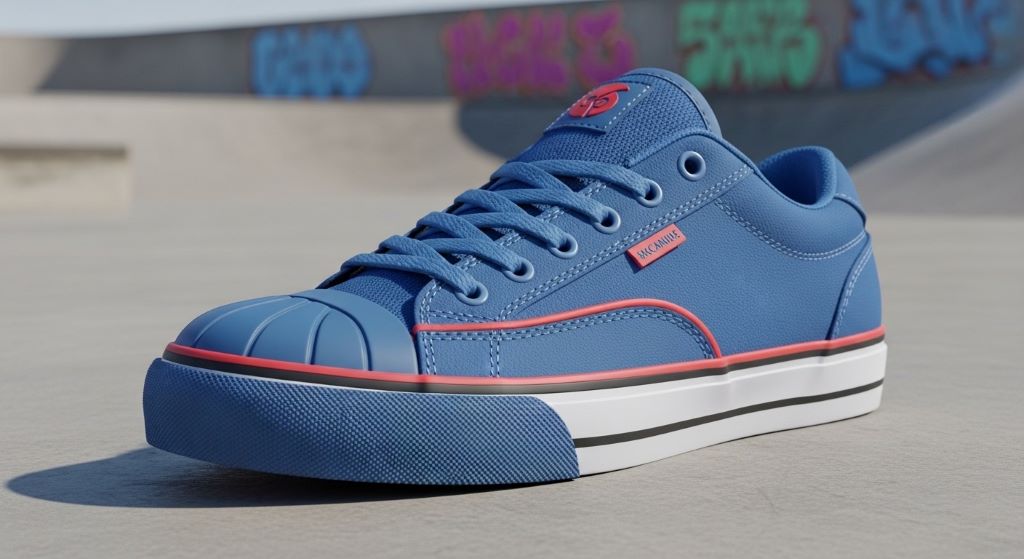
Look for reinforced toe caps and ollie areas. These high-wear zones need extra protection to extend shoe life. Double or triple stitching in stress points also indicates quality construction.
Cushioning and Impact Protection
Skateboarding involves repeated impacts from jumping, landing tricks, and general riding. Adequate cushioning protects your joints from excessive stress. Foam insoles provide basic comfort, while gel or air cushioning systems offer superior shock absorption.
The midsole plays a crucial role in impact protection. EVA foam remains a popular choice for its lightweight cushioning properties. Polyurethane offers firmer support and greater durability. Some advanced designs incorporate multiple density foams for targeted support.
Consider your skating style when evaluating cushioning needs. Street skaters landing stairs and gaps require more protection than transition skaters. However, excessive cushioning can reduce board feel, so finding balance matters.
Determining the Right Fit
Proper fit prevents blisters, enhances control, and reduces fatigue. Shoes that are too tight restrict movement and cause discomfort. Conversely, loose shoes reduce precision and can lead to injuries.
Sizing Considerations
Skate shoes often run differently than regular shoes. Some brands fit large, while others run small. Reading reviews and checking size charts helps, but trying shoes on remains the best approach when possible. Your toes should have slight room to move without sliding forward during skating.
Width also affects comfort significantly. Narrow feet need shoes with snug heel cups to prevent slippage. Wider feet require roomier toe boxes to avoid cramping. Many brands now offer multiple width options to accommodate different foot shapes.
Remember that shoes may feel different after breaking in. Stiff materials soften with wear, while loose areas may stretch. Therefore, choose shoes that feel slightly snug initially, as they will conform to your feet over time.
Break-In Period
New skate shoes typically require time to reach optimal comfort. The break-in period varies based on materials and construction. Leather and suede need more time than canvas but reward patience with superior durability.
Wear your new shoes casually before skating heavily in them. This approach allows materials to soften gradually without causing blisters. Additionally, you can speed up break-in by flexing the shoes manually and using leather conditioner on appropriate materials.
Some skaters prefer shoes ready to skate immediately. Certain models feature pre-broken-in designs with softer materials and flexible construction. These options sacrifice some longevity for instant comfort.
Matching Shoes to Your Skating Style
Different skating disciplines place varying demands on footwear. Understanding your primary focus helps narrow down ideal choices.
Street Skating Requirements
Street skating involves technical tricks, grinding rails, and navigating urban obstacles. This style demands durable skate shoes with excellent board feel and impact protection. Reinforced areas handle repeated abuse from flip tricks and grinds.
Low-top designs offer maximum ankle mobility for technical maneuvers. They allow quick foot movements necessary for complicated trick combinations. However, they provide less ankle support than high-tops, so consider your injury history.
Flat soles work best for street skating because they maximize grip tape contact. The increased surface area improves control during slides and flips. Additionally, thinner soles enhance board feel, helping you gauge foot placement precisely.
Transition and Bowl Skating
Skating ramps, bowls, and half-pipes requires different features. High-top designs provide ankle support during aggressive carving and aerial maneuvers. The extra material protects ankles from impacts and rolling.
Cupsole construction benefits transition skaters with superior cushioning. Landing from height generates significant force, making impact protection essential. Thicker soles absorb shock better while maintaining enough board feel for control.
Heel support becomes crucial when pumping transitions. Look for reinforced heel cups that lock your foot in place during aggressive movements. This stability prevents injuries and improves power transfer.
All-Around Versatility
Many skaters practice multiple disciplines or enjoy varied terrain. Mid-top shoes offer compromise between mobility and support. They provide moderate ankle protection without severely restricting movement.
Hybrid sole designs combine vulcanized forefoot sections with cupsole heels. This construction delivers board feel where you need it while protecting high-impact areas. Such versatility makes these shoes popular among diverse skaters.
Choose neutral colors and classic styles if you want shoes suitable for both skating and casual wear. This approach maximizes value by extending usage beyond the skate park.
Evaluating Durability and Value
Skateboarding destroys shoes faster than most activities. However, understanding durability factors helps you get maximum value from each pair.
Construction Quality Indicators
Examine stitching carefully before purchasing. Tight, even stitches indicate quality craftsmanship. Check high-stress areas like toe boxes and side panels for reinforcement. Double or triple stitching in these zones significantly extends lifespan.
Glue quality matters tremendously. Poor adhesive allows soles to separate prematurely. Press and flex the shoe to check bond strength. Quality shoes show no gaps or weak spots between upper and sole.
Look for protective features like rubber toe caps and reinforced ollie patches. These additions prevent early wear in areas that contact grip tape most frequently. Some brands even offer replaceable sections to extend shoe life further.
Price Versus Performance
Premium shoes cost more but often last longer and perform better. However, beginners may prefer budget options while developing their style and preferences. Mid-range shoes typically offer the best value, balancing quality with affordability.
Consider cost per wear rather than initial price. Expensive shoes lasting twice as long as cheap ones ultimately save money. Additionally, superior performance can accelerate skill development, making investment worthwhile.
Sales and discounts provide opportunities to try premium brands affordably. Many shops clear previous season’s inventory at significant markdowns. However, ensure sizing remains consistent between seasons before buying.
Brand Reputation and Reviews
Established skateboarding brands understand the sport’s specific demands. They invest in research, use quality materials, and incorporate skater feedback into designs. Supporting these companies often yields better products and customer service.
Research user reviews from actual skaters before purchasing. Pay attention to comments about durability, fit, and performance. However, remember that individual experiences vary based on skating style and foot shape.
Professional skater endorsements indicate industry respect for certain models. Pros test shoes extensively under demanding conditions. Their signature models often incorporate innovative features worth considering.
Maintenance Tips for Longevity
Proper care extends shoe life significantly. Simple maintenance practices help you maximize your investment.
Clean shoes regularly to remove dirt and debris that accelerate wear. Use appropriate cleaners for different materials. Suede brushes restore nap, while leather conditioner prevents cracking.
Rotate between multiple pairs when possible. This practice allows shoes to dry completely between sessions, preventing premature breakdown. Additionally, rotation distributes wear across multiple pairs, extending overall lifespan.
Replace worn laces before they break during sessions. Inspect soles regularly for damage that might affect performance or safety. Address small issues promptly to prevent them from worsening.
Sustainability Considerations
Environmental awareness influences purchasing decisions increasingly. Some brands now offer eco-friendly options using recycled materials and sustainable production methods.
Recycled rubber soles reduce waste while performing comparably to virgin materials. Organic cotton and hemp uppers provide durability with lower environmental impact. Water-based adhesives eliminate harmful chemicals without sacrificing bond strength.
Supporting companies committed to sustainability encourages industry-wide improvements. However, ensure eco-friendly shoes still meet performance requirements. Compromising functionality for environmental benefits rarely proves satisfactory.
Making Your Final Decision
Choosing the best skate shoes involves balancing multiple factors. Prioritize features most important to your skating style and preferences. Consider trying multiple options to find what works best for your feet.
Visit local skate shops when possible. Staff members often skate themselves and provide valuable insights. Supporting local businesses strengthens your skating community while ensuring personalized service.
Trust your instincts after researching thoroughly. The perfect shoe feels right from the first try-on. Comfort, fit, and confidence in your choice matter as much as technical specifications.
Conclusion
Selecting appropriate skateboarding footwear significantly impacts your performance and enjoyment. Understanding essential features like sole construction, material quality, and proper fit guides you toward better choices. Match shoes to your specific skating style for optimal results. Evaluate durability factors to maximize value from each purchase. Consider brand reputation and user reviews as part of your research. Remember that durable skate shoes represent an investment in your progression and safety. Take time to find the right pair, and your skating will benefit immeasurably from having confidence in your footwear.
Frequently Asked Questions
How often should I replace my skate shoes?
Replacement timing depends on skating frequency and style. Aggressive street skaters may need new shoes monthly, while casual skaters might go several months. Replace shoes when holes develop, soles wear through, or you notice decreased board feel. Continuing with worn shoes compromises safety and performance.
Can I use regular sneakers for skateboarding?
Regular sneakers lack the reinforcement, grip, and durability needed for skateboarding. They wear out quickly and provide poor board control. While acceptable for brief casual skating, dedicated skate shoes prove essential for regular practice and progression.
Should beginners buy expensive skate shoes?
Beginners can start with mid-range options offering good quality without premium prices. However, avoid extremely cheap shoes that wear out quickly and perform poorly. Investing in decent shoes helps beginners progress faster and enjoy skating more.
Do high-tops or low-tops skate better?
Neither design skates inherently better. Low-tops offer maximum mobility for technical street skating. High-tops provide ankle support beneficial for transition skating and those with previous injuries. Choose based on your skating style and personal preference.
How can I make my skate shoes last longer?
Rotate between multiple pairs, clean them regularly, and use shoe goo on high-wear areas. Apply protective sprays to suede and leather. Avoid wearing skate shoes for non-skating activities. Replace laces and insoles as needed rather than discarding entire shoes.
Related Topics:
How to Choose the Best Beginner Skateboards for Kids Aged 3–6
What Is a Complete Skateboard Set and Is It Worth Buying?