
Practicing your golf swing at home has become increasingly popular among players of all skill levels. Whether you’re a beginner working on your fundamentals or an experienced golfer maintaining your skills during the off-season, having the right practice surface makes all the difference. The market offers countless options, making the selection process overwhelming for many golfers.
Choosing the wrong mat can lead to poor feedback, joint pain, and bad habits that transfer to the course. Conversely, selecting the right one enhances your practice sessions, protects your body, and helps you develop a more consistent swing. This comprehensive guide will walk you through everything you need to know about selecting practice surfaces that meet your specific needs.
Understanding the differences between various mat types, knowing which features matter most, and recognizing how your practice environment affects your choice will help you make an informed decision. By the end of this article, you’ll know exactly what to look for when investing in equipment for your home practice setup.
Understanding Different Mat Construction Types
The construction of your practice surface fundamentally affects how it performs and how long it lasts. Different materials and designs serve different purposes, and understanding these distinctions helps you choose wisely.
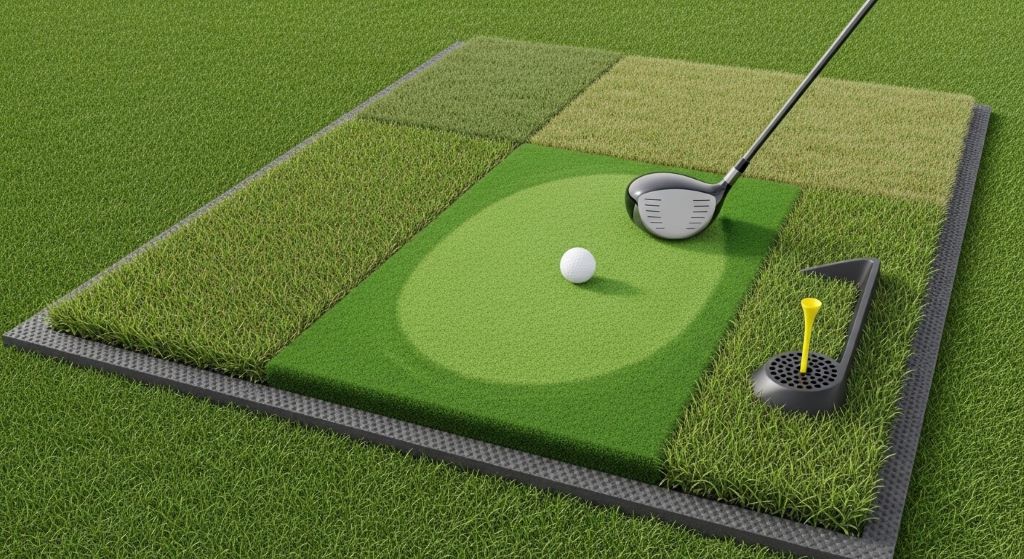
Turf-top mats feature synthetic grass fibers attached to a rubber or foam base. These designs attempt to replicate the feel of hitting from real grass. The quality varies significantly based on fiber density, length, and the backing material. Higher-quality versions use tightly packed fibers that allow your club to interact with the surface similarly to natural turf.
Rubber mats offer durability and weather resistance, making them popular for outdoor use. They typically cost less than turf options but provide less realistic feedback. The firmness of rubber can be jarring on your joints during extended practice sessions. However, they excel in wet conditions and require minimal maintenance.
Gel-filled mats represent a premium option that provides excellent shock absorption. These mats use gel inserts beneath the hitting surface to cushion the impact of your club. They’re particularly beneficial for golfers concerned about joint health or those planning long practice sessions.
Multi-layer constructions combine different materials to balance realism, durability, and joint protection. These sophisticated designs might feature a turf top layer, foam middle layer for shock absorption, and a stable rubber base. Understanding how these layers work together helps you evaluate whether the added complexity justifies the higher price.
Key Features That Define Quality
Several specific features separate exceptional practice mats from mediocre ones. Knowing what to look for ensures you invest in a surface that truly enhances your practice.
Fiber density determines how realistically the mat simulates grass. Higher density means more fibers per square inch, which provides better ball interaction and more accurate feedback. Count on premium mats having at least 50 ounces of fiber per square yard. Lower density mats may look adequate but fail to perform when you actually hit shots.
Backing thickness affects both durability and shock absorption. Thicker backing materials last longer and provide better cushioning for your joints. Look for backing that’s at least half an inch thick, though premium options may offer an inch or more. This extra cushioning becomes increasingly important if you practice frequently.
Tee compatibility matters more than many golfers realize initially. Some mats include built-in tee holes that accept standard rubber tees, while others require special holders or don’t accommodate tees at all. Consider whether you’ll practice driver shots or focus primarily on irons when evaluating this feature.
Mat size impacts your practice versatility. Larger surfaces give you more hitting area and last longer because you can rotate where you strike from as wear patterns develop. However, bigger mats cost more and require more storage space. Balance your available space against your practice needs.
Portability features include handles, folding designs, or lightweight construction. If you plan to move your mat between locations or store it when not in use, these elements become crucial. Conversely, permanent outdoor installations benefit from heavier, more stable designs.
Evaluating Indoor Versus Outdoor Requirements
The environment where you’ll use your mat significantly influences which features you should prioritize. Indoor and outdoor settings present different challenges and opportunities.
Indoor mats need to protect your floors from club strikes and scuff marks. Look for designs with non-slip backing that won’t damage hardwood or carpet. Additionally, consider noise levels, as some mats produce loud impact sounds that might disturb others in your home. Shock-absorbing designs tend to be quieter.
Temperature control indoors means your mat won’t face extreme heat or cold. Therefore, you can focus more on feel and performance rather than weather resistance. Indoor use also protects your mat from UV damage, extending its lifespan significantly.
Outdoor mats must withstand weather exposure, including rain, sun, and temperature fluctuations. UV-resistant materials prevent degradation from sunlight. Water-resistant or waterproof construction keeps the mat functional even after rain. However, even weather-resistant mats benefit from covers or storage during extreme conditions.
Drainage becomes critical for outdoor installations. Mats that retain water become heavy, develop mold, and deteriorate quickly. Look for perforated backing or materials that naturally shed water. Some outdoor mats include drainage holes specifically designed to prevent water accumulation.
Ground stability matters outdoors where uneven surfaces might cause your mat to wobble or shift. Heavier mats with textured bottoms stay in place better. Some golfers anchor outdoor mats with stakes or place them on level platforms for consistent practice conditions.
Understanding Golf Simulator Mats Specifically
Golf simulator mats serve a specialized purpose within the broader category of practice surfaces. These mats must meet specific requirements to function properly with launch monitors and simulation software.
Launch monitor compatibility requires mats that don’t interfere with sensor readings. Some materials or backing types can affect radar-based monitors or disrupt the data collection process. Research whether your specific launch monitor has compatibility requirements before purchasing a mat.
Realistic turf interaction becomes even more important with simulators because the technology provides detailed feedback about your contact. A mat that gives false feedback about strike quality defeats the purpose of using a simulator. Therefore, premium turf construction matters more for simulator use than for simple practice.
Durability requirements intensify with simulator use because you’re likely to practice more frequently and for longer sessions. The investment in simulator technology usually correlates with serious practice commitment. Consequently, your mat must withstand heavy use without degrading quickly.
Size considerations for simulator setups often require larger mats. You might be hitting various clubs during a simulated round, necessitating a surface that accommodates everything from wedges to drivers. Additionally, some golfers prefer extra width to practice different stance positions.
Integration with simulator enclosures means your mat should fit properly within your setup. Measure your available space carefully, accounting for your stance and swing without hitting the enclosure walls. Some simulator-specific mats are designed with standard enclosure dimensions in mind.
Assessing Hitting Mats for Different Skill Levels
Your skill level and practice goals should influence your mat selection. Different experience levels benefit from different features and priorities.
Beginners benefit from forgiving mats that provide consistent feedback without punishing slight mishits. Thicker padding protects joints during the learning process when swing mechanics might create jarring impacts. Additionally, newer golfers should prioritize affordability since preferences may change as skills develop.
Intermediate players need mats that provide accurate feedback about strike quality. The ability to distinguish between pure strikes and slight mishits becomes important for continued improvement. These golfers often practice more frequently, making durability increasingly important.
Advanced golfers and professionals require mats that replicate course conditions as closely as possible. Premium materials, realistic turf interaction, and precise feedback justify higher costs. These players can detect subtle differences in mat quality and benefit from the most sophisticated designs.
Seniors and golfers with joint concerns should prioritize shock absorption above all else. Gel-filled or multi-layer construction protects knees, elbows, and shoulders during practice. Trading some realism for joint protection often makes sense for this group.
Maintenance and Longevity Considerations
Understanding maintenance requirements and expected lifespan helps you calculate the true cost of ownership and keep your mat performing optimally.
Regular cleaning extends mat life significantly. Brushing removes debris and keeps fibers standing upright. For turf mats, occasional vacuuming prevents dirt buildup that can make the surface harder and less realistic. Rubber mats simply need hosing down periodically.
Rotation practices prevent premature wear in high-impact areas. Moving where you place the ball distributes strikes across the surface. Some larger mats feature markings to help you track rotation patterns. This simple habit can double the functional life of your mat.
Storage between uses protects against unnecessary wear and environmental damage. Rolling mats should be stored loosely rather than tightly compressed, which can damage backing materials. If possible, keep your mat in a climate-controlled environment when not in use.
Wear indicators help you know when replacement becomes necessary. Visible backing showing through the turf, permanent divots, or backing separation signals that performance has degraded. Continuing to use a worn mat can develop bad habits and increase injury risk.
Expected lifespan varies dramatically based on quality and use frequency. Budget mats might last six months with regular use, while premium options can perform well for several years. Factor in replacement costs when comparing prices to understand the true long-term value.
Price Points and Value Analysis
Practice mats span a wide price range, from under fifty dollars to over a thousand. Understanding what you get at different price levels helps you make a smart investment.
Budget options under one hundred dollars provide basic functionality but sacrifice realism and durability. They work for occasional use or golfers testing whether home practice suits their routine. However, frequent use quickly reveals their limitations. Thin backing, sparse fibers, and poor construction become apparent.
Mid-range mats between one hundred and three hundred dollars offer significantly better performance. These products typically feature decent fiber density, adequate shock absorption, and construction that withstands regular use. This category provides the best value for most serious golfers.
Premium mats exceeding three hundred dollars deliver exceptional realism, superior durability, and advanced features. These investments make sense for dedicated practitioners, simulator owners, or golfers with specific needs like joint protection. The performance difference is noticeable, particularly during longer practice sessions.
Commercial-grade options designed for driving ranges and golf facilities represent the highest tier. While extremely durable and realistic, they’re often overkill for home use. However, teaching professionals or golfers establishing dedicated practice areas might find these worthwhile.
Calculate cost per year of use rather than focusing solely on upfront price. A premium mat lasting five years costs less annually than budget options replaced yearly. Additionally, consider the value of effective practice that actually improves your game versus simply hitting balls.
Additional Accessories and Features
Beyond the mat itself, various accessories and integrated features can enhance your practice experience and protect your investment.
Alignment aids built into some mats help you practice proper setup and aim. These guides might include lines, markings, or raised elements that encourage consistent positioning. While helpful, these features shouldn’t be the primary selection criterion.
Tee holders and inserts allow driver practice and protect the mat surface. Replaceable inserts let you refresh just the worn sections rather than replacing the entire mat. Some systems use standard rubber tees, while others require proprietary accessories.
Carrying cases simplify transport and storage while protecting your mat from damage. If you plan to move your mat regularly between indoor and outdoor locations, a quality case justifies its cost through added convenience and protection.
Practice balls designed for indoor use complement your mat by protecting walls and valuables. Foam or limited-flight balls let you practice full swings indoors safely. Match your ball choice to your available space and practice goals.
Ball trays and organizers keep practice balls accessible and organized. Some mats include built-in holders, while standalone options work with any mat. These simple accessories make practice sessions more efficient and enjoyable.
Testing and Verification Before Purchase
Whenever possible, testing mats before committing helps ensure you’re making the right choice. Several strategies can help you evaluate options effectively.
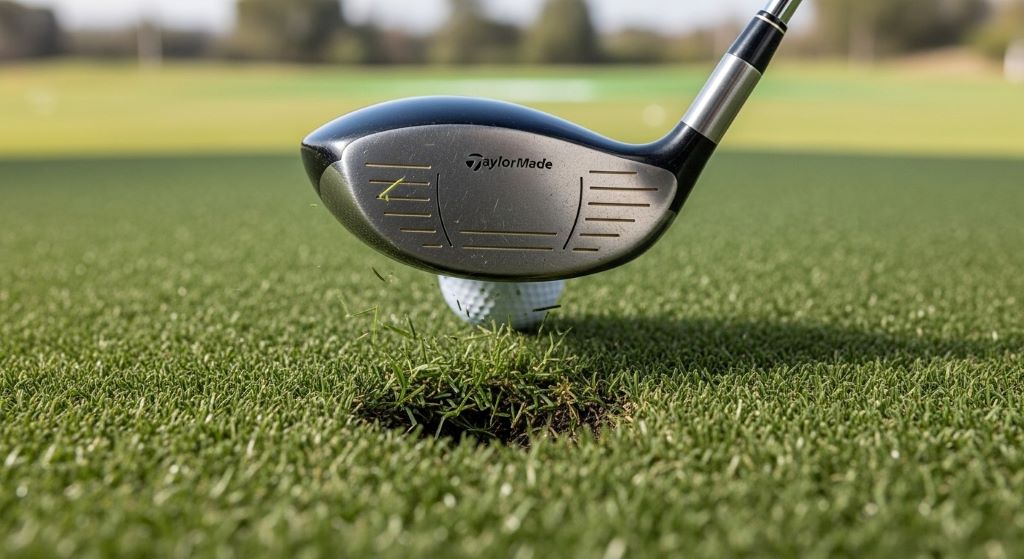
Visit golf retailers or practice facilities that display various mats. Many stores let you take practice swings to feel the difference between options. Pay attention to how your club interacts with the surface and how the impact feels in your hands and joints.
Read detailed reviews from golfers with similar needs. Look for feedback about long-term durability rather than just initial impressions. Reviews mentioning specific practice frequency and duration provide the most useful insights.
Check return policies before purchasing. Reputable sellers understand that mats perform differently at home than in a store. A flexible return policy protects your investment if the mat doesn’t meet expectations.
Start with video evidence if buying online. Many manufacturers and reviewers post videos showing club interaction with the mat surface. Watch for how the club enters and exits the turf, whether divots form, and how the surface recovers.
Consider renting or borrowing if possible. Some golf facilities rent mats for home use, letting you test before investing. Fellow golfers might let you try their mats, providing honest feedback based on actual experience.
Making the Final Decision
After evaluating all these factors, synthesizing the information helps you select the ideal mat for your situation. Prioritizing your specific needs over general recommendations ensures satisfaction.
List your must-have features versus nice-to-have elements. Distinguish between requirements that affect practice effectiveness and preferences that enhance convenience. This clarity prevents you from either overspending on unnecessary features or choosing inadequate options.
Consider your practice commitment realistically. Overestimating how often you’ll practice leads to overspending on features you won’t use. Conversely, underestimating leads to premature mat failure and replacement costs.
Account for future needs if possible. If you’re planning to add a launch monitor or increase practice frequency, factor these changes into your selection. Buying a mat that accommodates growth prevents near-term replacement.
Trust your instinct after thorough research. If a mat feels right during testing and meets your requirements on paper, it’s likely a good choice. Conversely, if something feels off despite good specifications, keep looking.
Remember that no single mat perfectly serves everyone. The best choice for you depends on your unique combination of skill level, practice environment, budget, and goals. Focus on finding the right fit rather than the objectively best product.
Conclusion
Selecting the best golf practice mat requires balancing multiple factors including construction quality, intended use environment, skill level, and budget. Golf simulator mats and hitting mats serve different purposes, though many high-quality options excel in both applications. Understanding the key features that define quality helps you distinguish between marketing claims and genuine performance differences.
Whether you choose a basic rubber mat for occasional outdoor practice or invest in a premium multi-layer design for your indoor simulator setup, matching the mat to your specific needs ensures satisfaction and effective practice. Consider construction materials, shock absorption, durability, and environmental requirements when making your selection.
Remember that the right mat enhances your practice sessions, protects your joints, and provides accurate feedback that translates to better performance on the course. While quality mats represent a significant investment, they pay dividends through years of effective practice and injury prevention. Take time to research options, test when possible, and choose a mat that will serve you well throughout your golf journey.
The perfect practice mat exists for every golfer. By following the guidance in this article and carefully evaluating your unique situation, you’ll find the option that helps you practice effectively and enjoyably, ultimately lowering your scores and increasing your love for the game.
Frequently Asked Questions
What thickness should I look for in a quality practice mat?
Quality practice mats typically feature backing that’s at least half an inch thick, though premium options may offer one inch or more. The fiber layer adds additional depth, bringing total thickness to one to two inches for most quality mats. Thicker backing provides better shock absorption and durability. However, extremely thick mats may feel unstable on some surfaces. Balance cushioning needs with stability requirements based on where you’ll use the mat.
Can I use the same mat indoors and outdoors?
Yes, many mats work well in both environments, though you may need to make compromises. Mats designed for indoor use often lack weather resistance needed for permanent outdoor installation. Conversely, outdoor mats might be heavier or bulkier than ideal for indoor spaces. If you plan to move your mat between locations, choose a mid-weight option with weather-resistant properties and a protective carrying case. Store outdoor mats inside during extreme weather to maximize lifespan.
How do I know if a mat is compatible with my launch monitor?
Check your launch monitor manufacturer’s specifications for mat compatibility. Some radar-based systems require specific materials or construction to function accurately. Optical systems are generally less sensitive to mat type. Many mat manufacturers list compatible launch monitors in their product descriptions. If uncertain, contact both the mat and launch monitor manufacturers before purchasing. Testing the combination before committing to an expensive mat protects your investment.
How often should I replace my practice mat?
Replace your mat when you notice visible backing showing through the turf, permanent divots that don’t recover, backing separation, or significantly reduced shock absorption. With regular use, budget mats typically last six months to one year, mid-range options last two to three years, and premium mats can perform well for five years or longer. Proper maintenance including regular cleaning, rotation of hitting areas, and protective storage extends lifespan significantly regardless of quality level.
Are expensive mats really worth the extra cost?
Premium mats offer tangible benefits including superior realism, better shock absorption, longer lifespan, and more accurate feedback. For golfers practicing regularly or using launch monitors, these advantages justify higher costs. The improved practice quality and joint protection often make expensive mats worth the investment. However, occasional practitioners may not notice enough difference to justify premium prices. Consider your practice frequency, goals, and budget when deciding. Calculate cost per year of use rather than just upfront price.
Related Topics:
9 Wearable Tech Devices Revolutionizing Swimming Stroke Analysis in 2025
Fantasy League Digest: Your Ultimate Guide to Dominating Fantasy Sports